

Curator
Anika MeierSolo Exhibition
Curator
Anika MeierSolo Exhibition
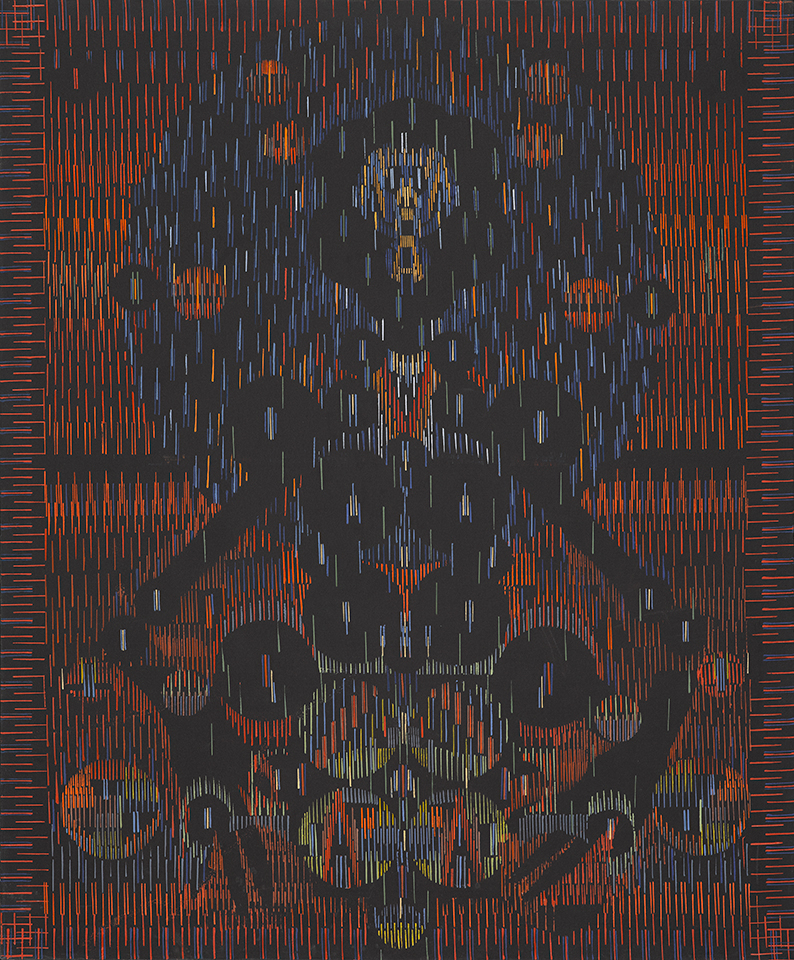
A Juggler (Guardian Figure), 1979 Oil on canvas
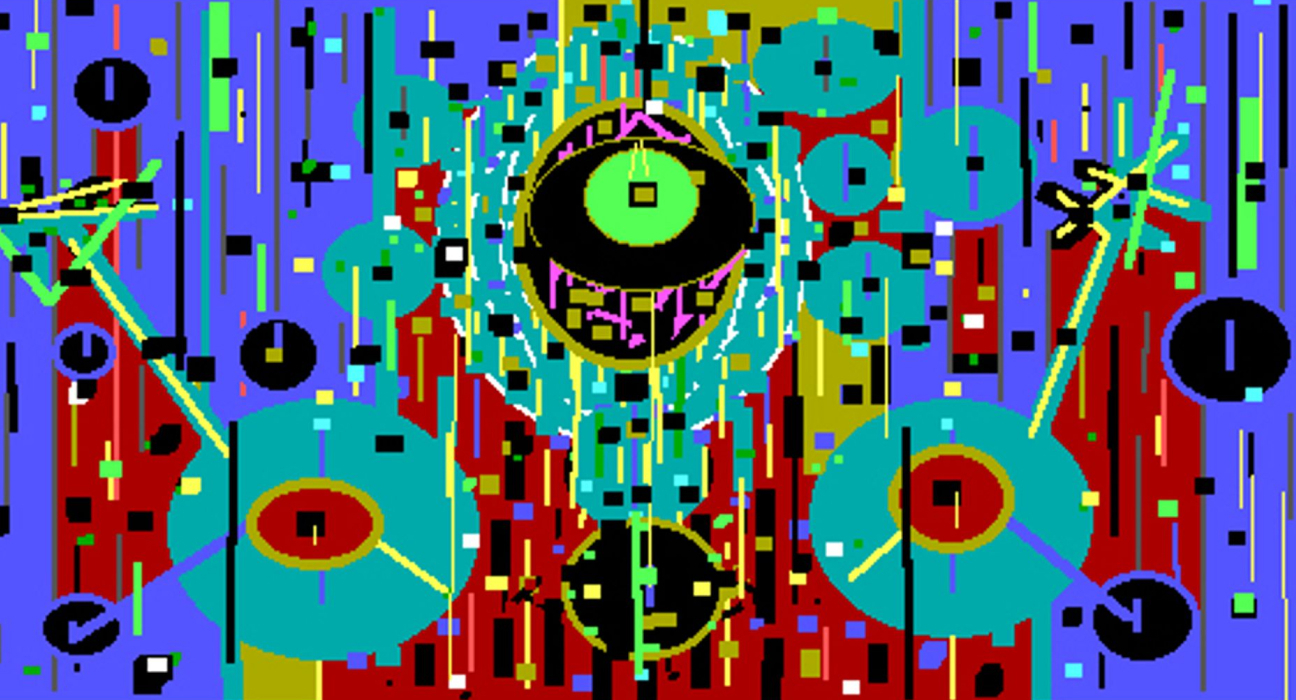
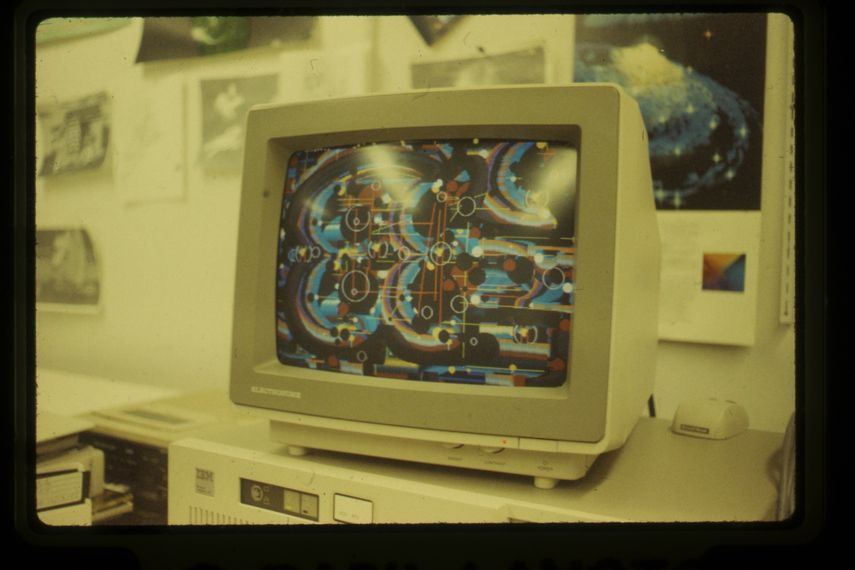
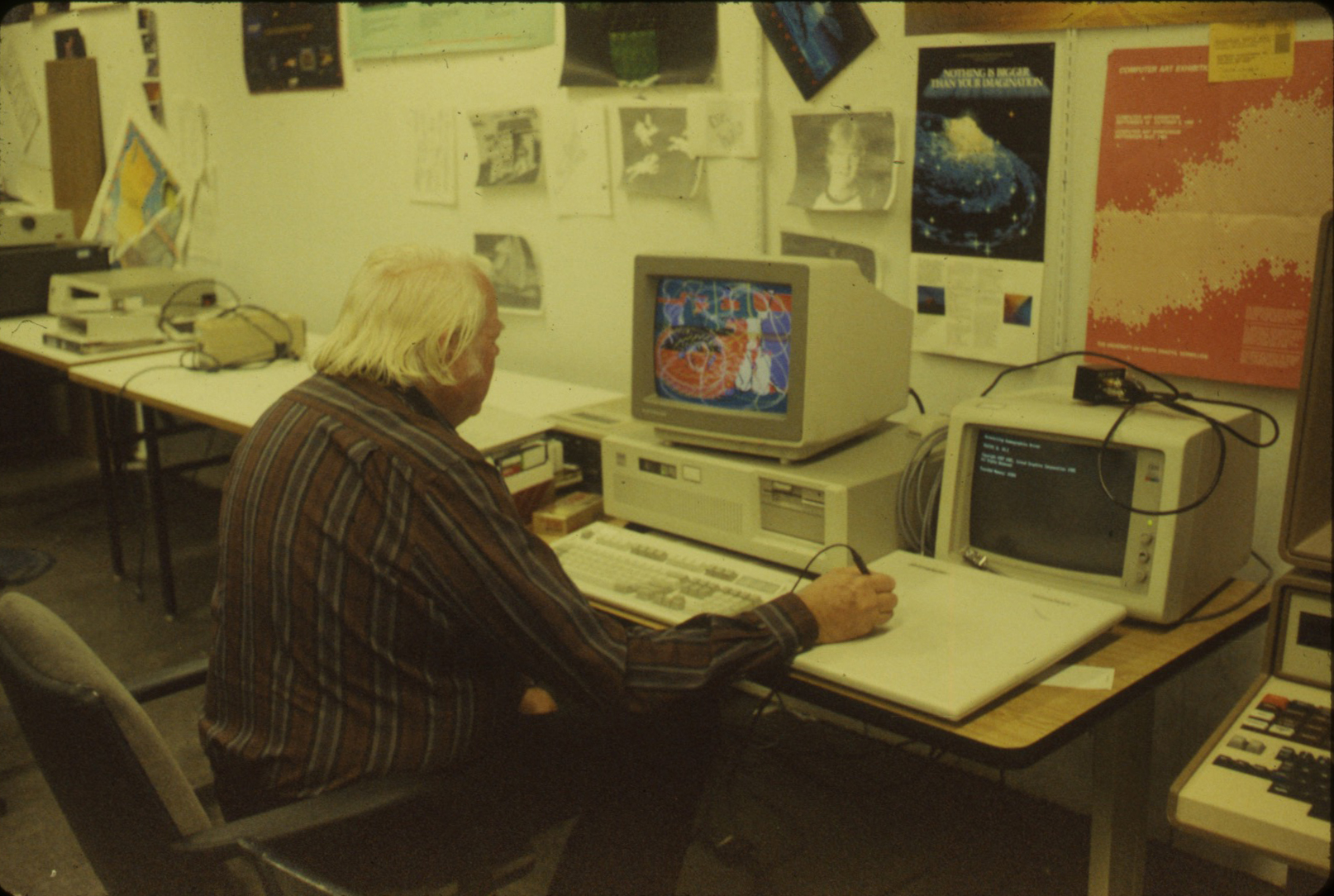
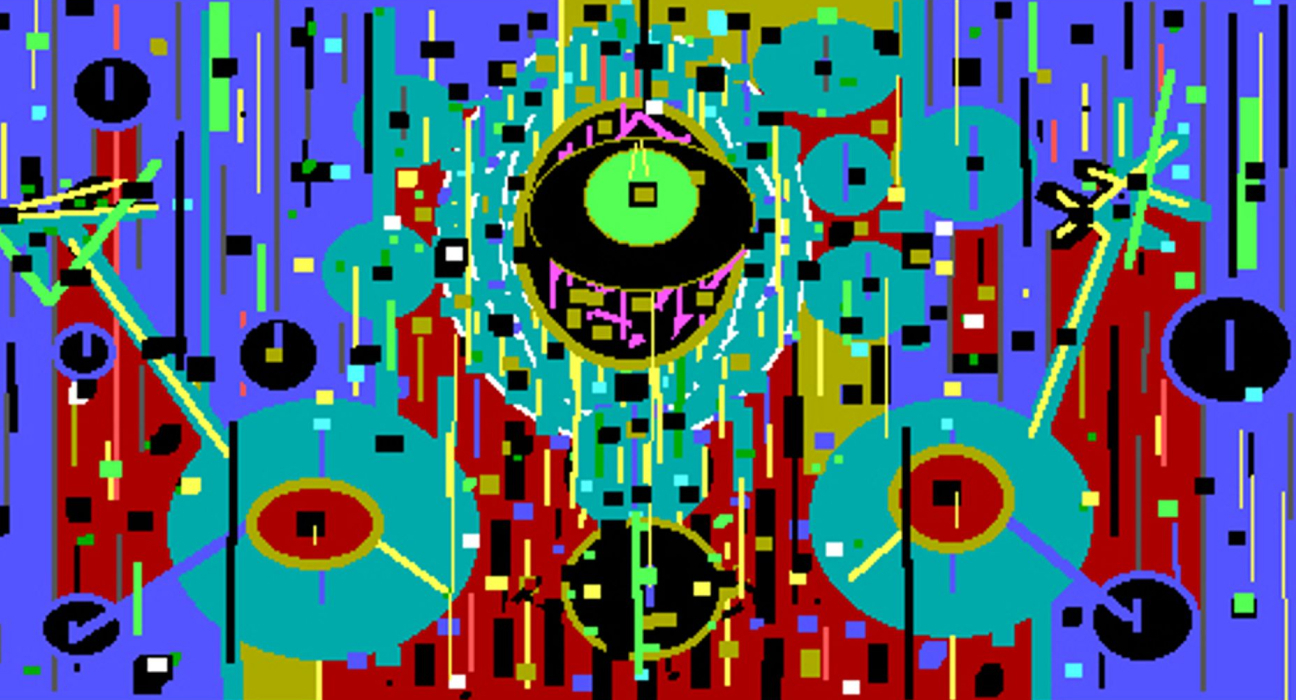
As a pioneer of computer art, Lee Mullican has devoted his life to finding new ways to create images. He embraced new technologies and tools of the day. In the fall of 1986, Lee Mullican participated in UCLA’s Advanced Design Research Center’s Program for Technology in the Arts. The program allowed the then 66-year-old Mullican to start exploring the digital realm. The exhibition LeeMullican.PCX, presents 12 NFTs that demonstrate the artist’s relentless experimentation. Cole Root, director of the Estate of Lee Mullican, describes Mullican’s process underlying the works in this exhibition:The artworks in LeeMullican.PCX were originally created in the PC Paintbrush app and saved as PCX files. PCX stands for “Picture Exchange,” which is a Paintbrush bitmap image format developed by the ZSoft Corporation. It was developed as one of the initial bitmap image formats for DOS and Windows, supporting 24-bit true color images, 1-bit black and white images, 8-bit grayscale and indexed color images. Widely used as the imaging standard on the DOS platform, this raster image format also served as the native file format for PC Paintbrush. Although the PCX image format has been replaced by newer formats like PNG and BMP, it’s still used by fax and scanning applications. The original PCX file for this work is included in each artwork’s collector package. When Lee made these works, they were saved on 5 ¼ inch floppy discs. The technology at the time did not allow artists like Lee to easily search through files, so Lee documented his digital pieces by taking 35mm photographs of his individual pieces and producing slides from the photos. These archived 35mm slides were used as reference material to format the artworks in this exhibition, and scans of these slides are included in the downloadable included with the purchase of this NFT.
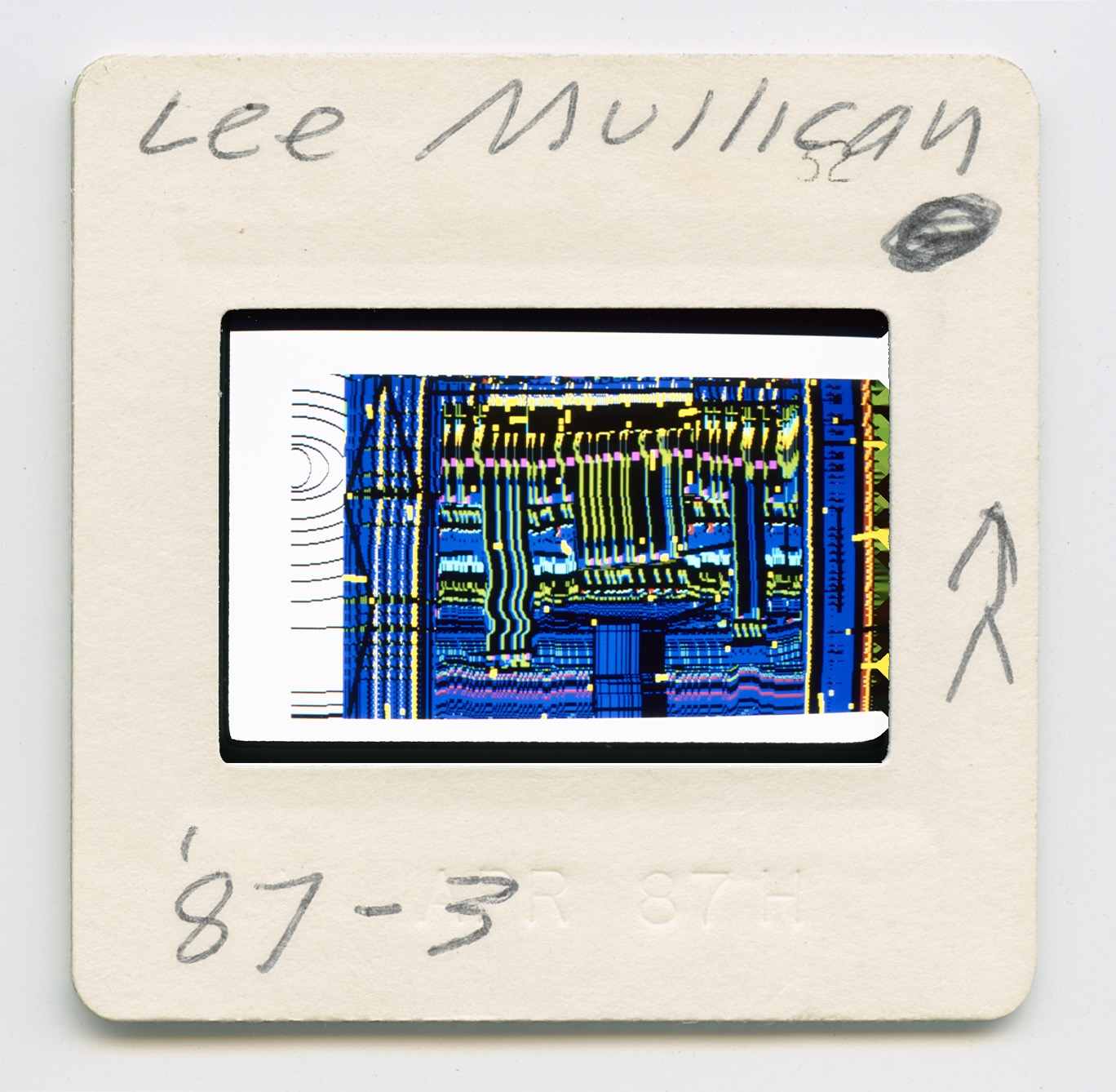
Scan of 35mm slide documentation of LM9-3.PCX, 1987
Mullican is an institutionally recognized painter, he is in the permanent collections of the Museum of Modern Art, the Metropolitan Museum of Art, and the San Francisco Museum of Modern Art, among others. He skillfully used his knowledge of painterly techniques as a guide when he began working with computers and found common ground with his own style of painting and the chance made possible by the computer.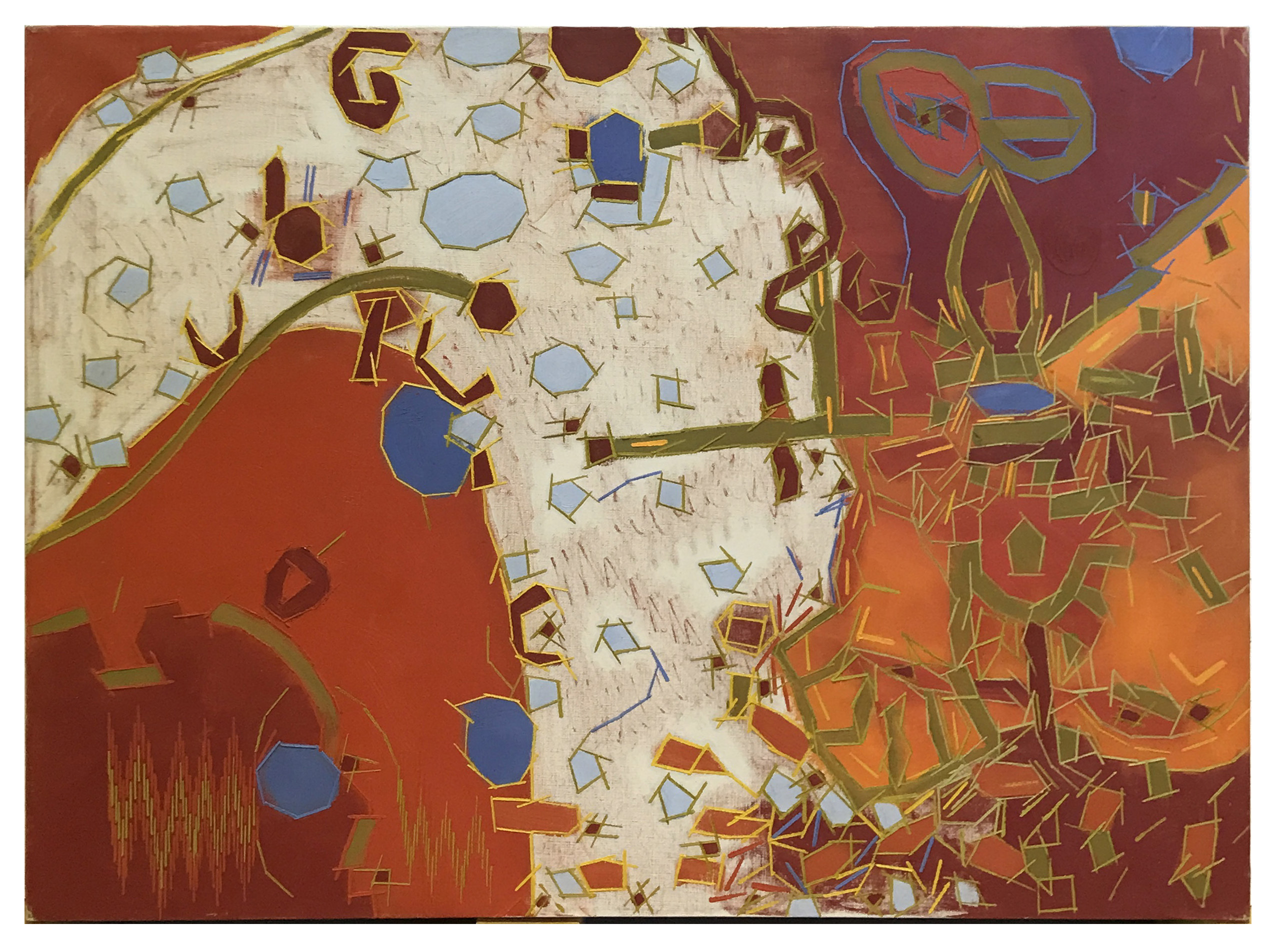
Fire Track , 1968 Oil on canvas
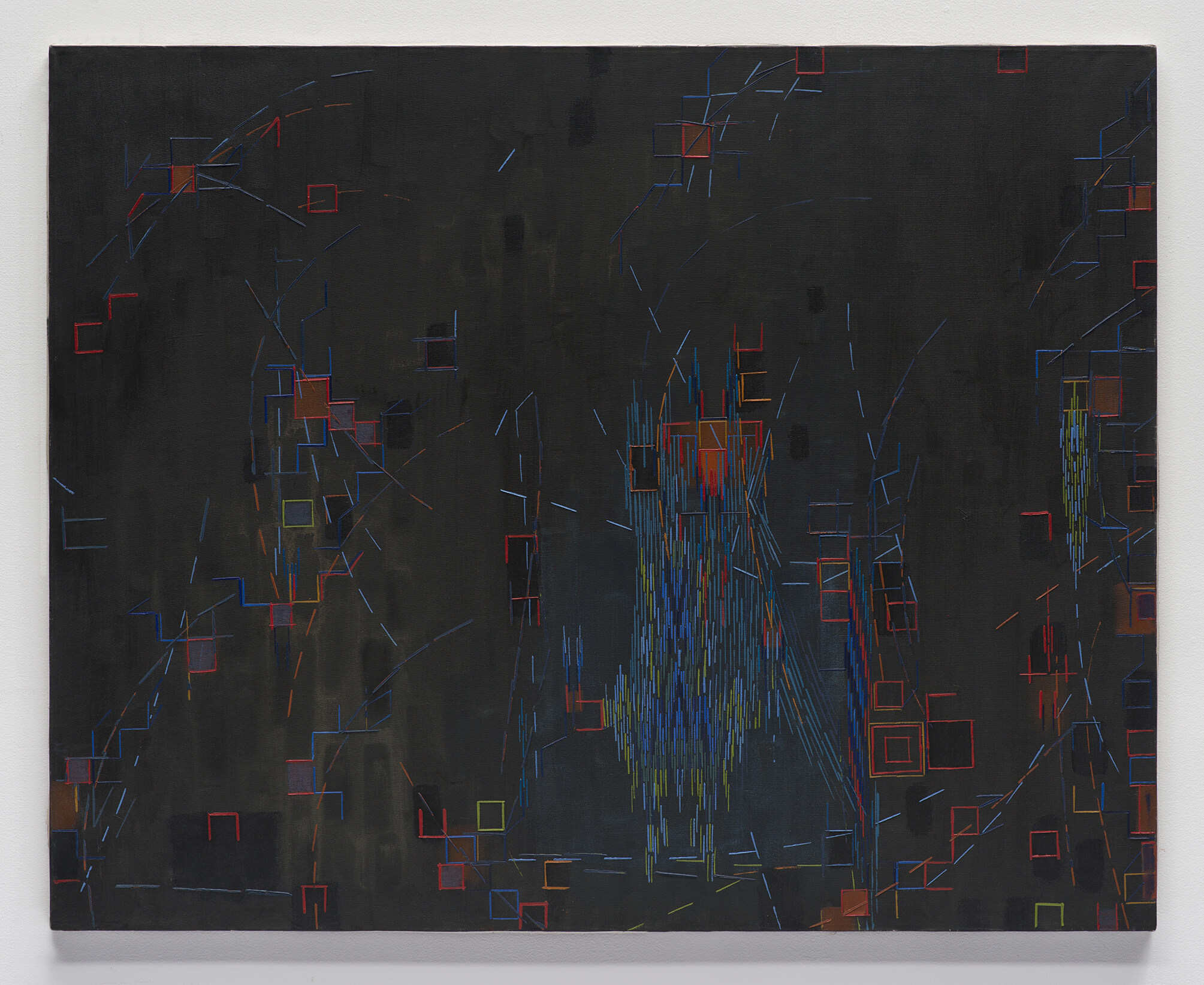
Untitled, 1973 Oil on canvas
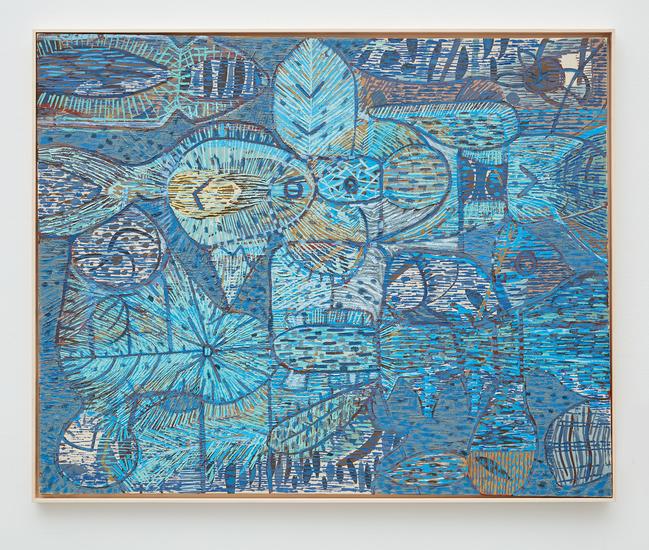
Water Worship, 1948 Oil on canvas
These days, critics are quick to mention that pioneers are being presented to legitimize NFTs as art. The opposite is the case: NFTs bring attention to the beginnings and history of digital art. How did it all begin? How did we get here? “A pioneer is someone who journeys toward the unknown,” states Root. Many of the pioneers are finally getting the recognition they deserve for their achievements, fighting spirit, spirit of discovery, and perseverance. Back in the days, contemporaries might have thought Mullican was wasting his time, especially since there was no commercial interest in artists working with computers. “I found that beyond what one thought, the computer as being hard-lined, analytical, and predictable, it was indeed a medium fueled with the automatic, enabled by chance, and accident, discovery of new ways of making imagery,” Mullican said. He was interested in exploring what it means to paint with code and how the classical canvas could be expanded. Furthermore, abstraction alone was not enough for him. He found inspiration in patterns in nature because he needed an element of familiarity that grounds the abstraction. LeeMullican.PCX focuses on this push and pull in the artist’s oeuvre between figuration and abstraction; he was experimenting for his own satisfaction and enjoyment. Relentless experimentation opens new doors, as today’s pioneers continue to demonstrate.Artist
Lee MullicanLocationOklahoma, United States
26 March 2023
News
26 March 2023
News
Painter Lee Mullican’s Pioneering 1987 Digital Art Released via Tezos NFTs
by Andrew Hayward for Decrypt
23 March 2023
News
23 March 2023
News
Feral File Presents Lee Mullican's Experiments with Computer Painting Software in their NFT Drop
by Eli Anapur for Widewalls
23 March 2023
News
23 March 2023
News
Painter Lee Mullican’s Computer Works From 1987 Are Part of a New NFT Collection, Dropping on the Digital Art Space Feral File
by Min Chen for artnet
23 March 2023
Close up
23 March 2023
Close up
A Journey Toward the Unknown
by Anika Meier & Lee Mullican
LeeMullican.PCX smart contract:tezos