Curator
Nora O’ MurchúSolo Exhibition
Curator
Nora O’ MurchúSolo Exhibition
Foreword
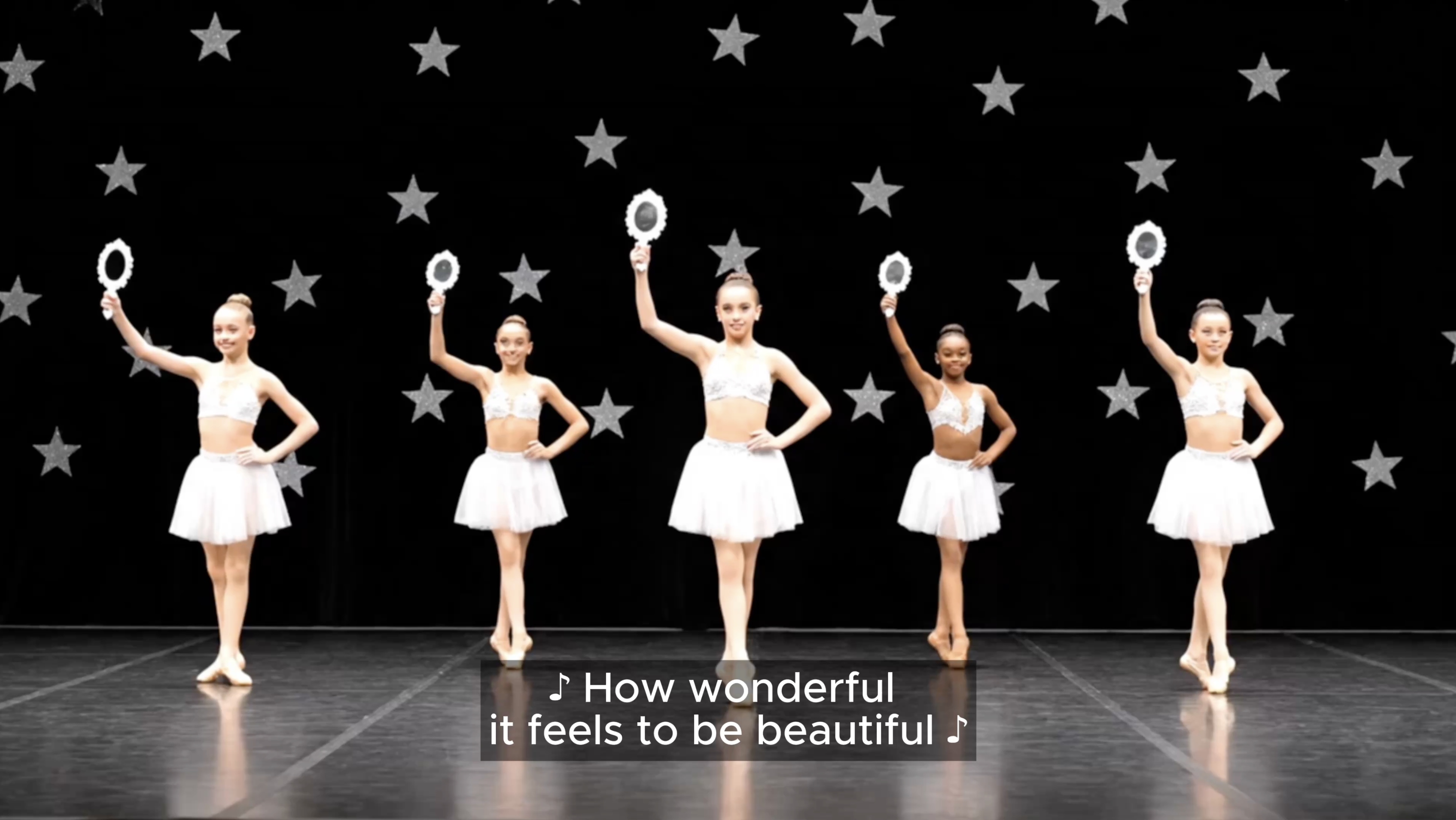
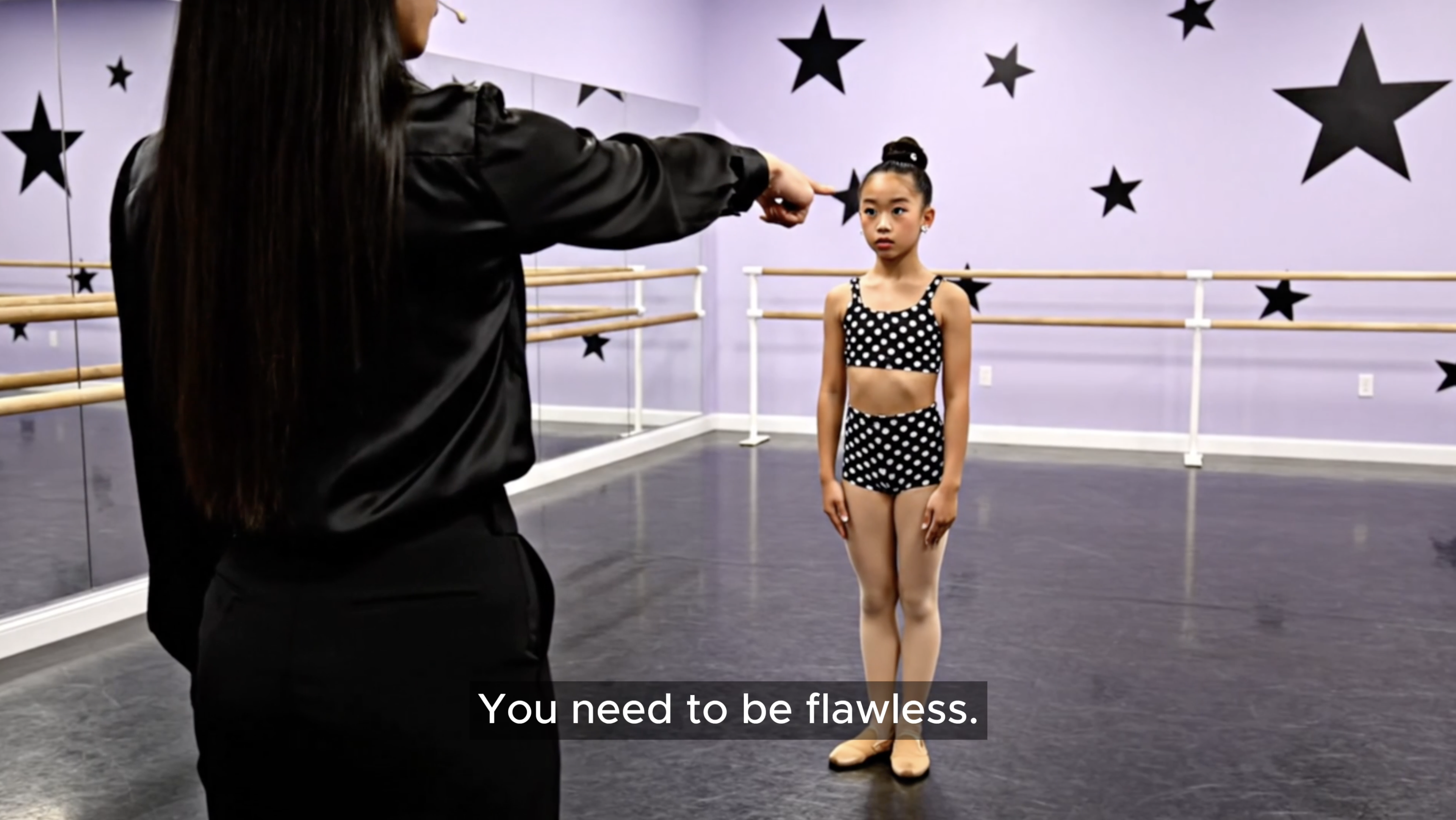
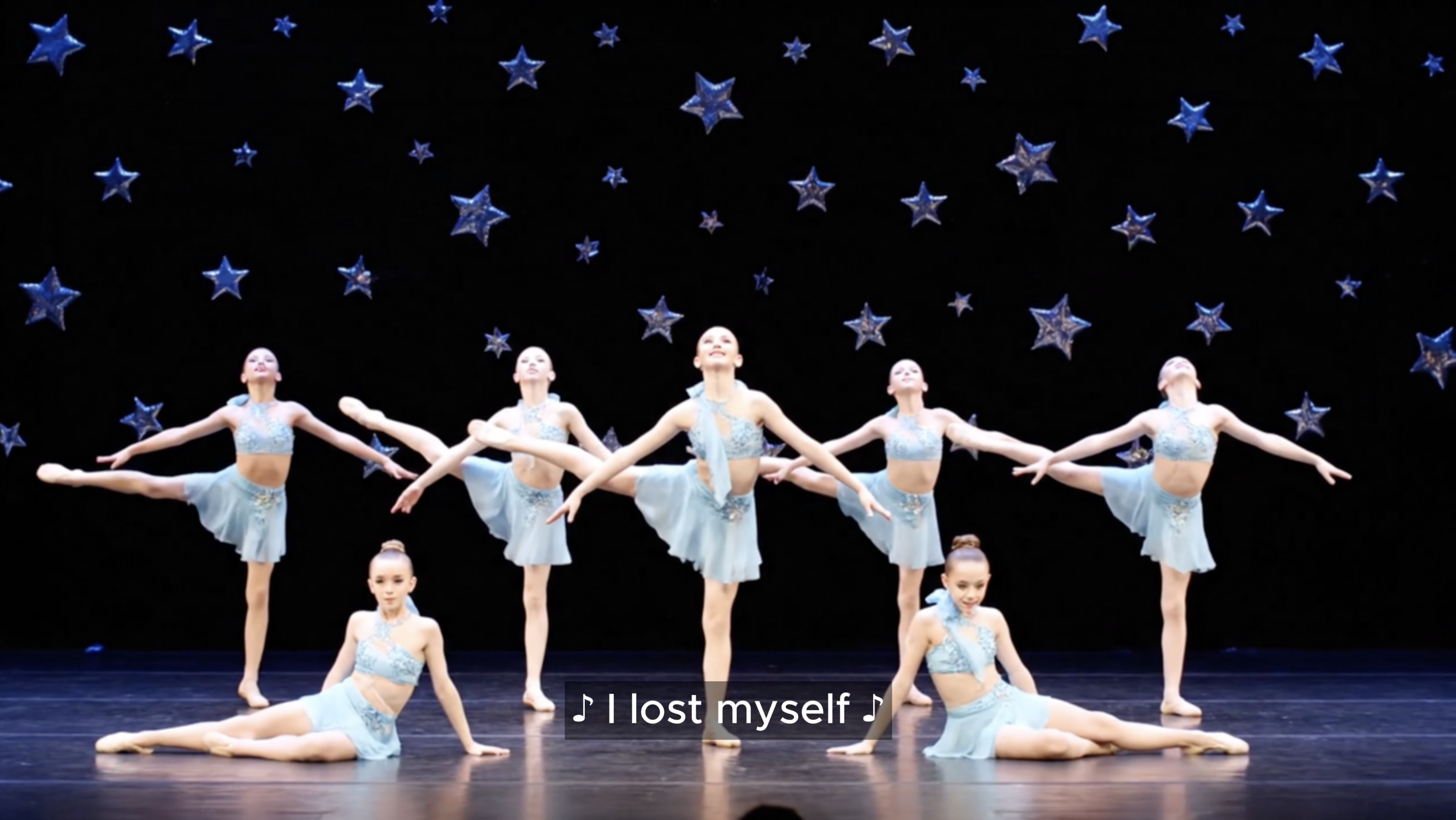
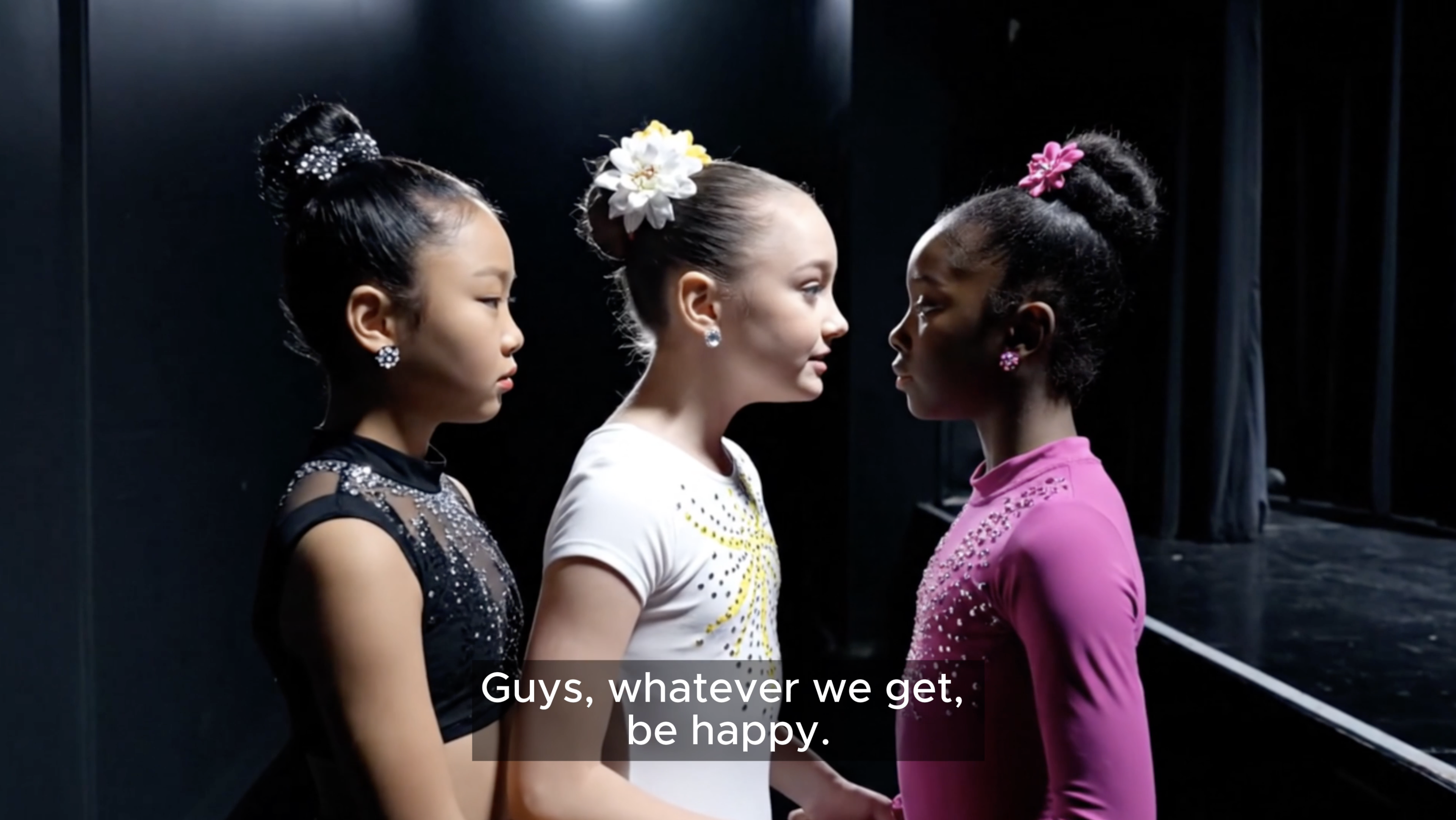
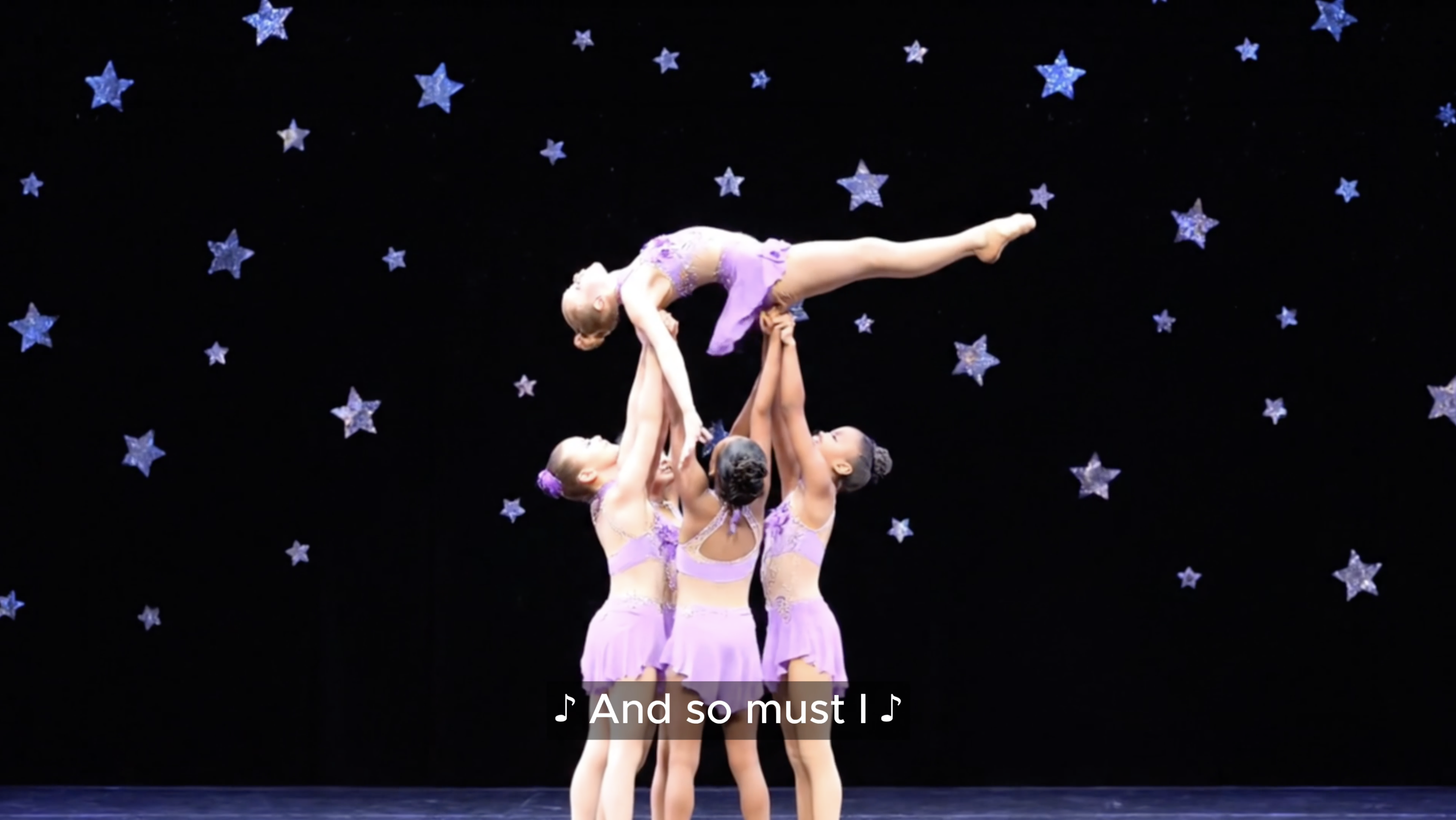
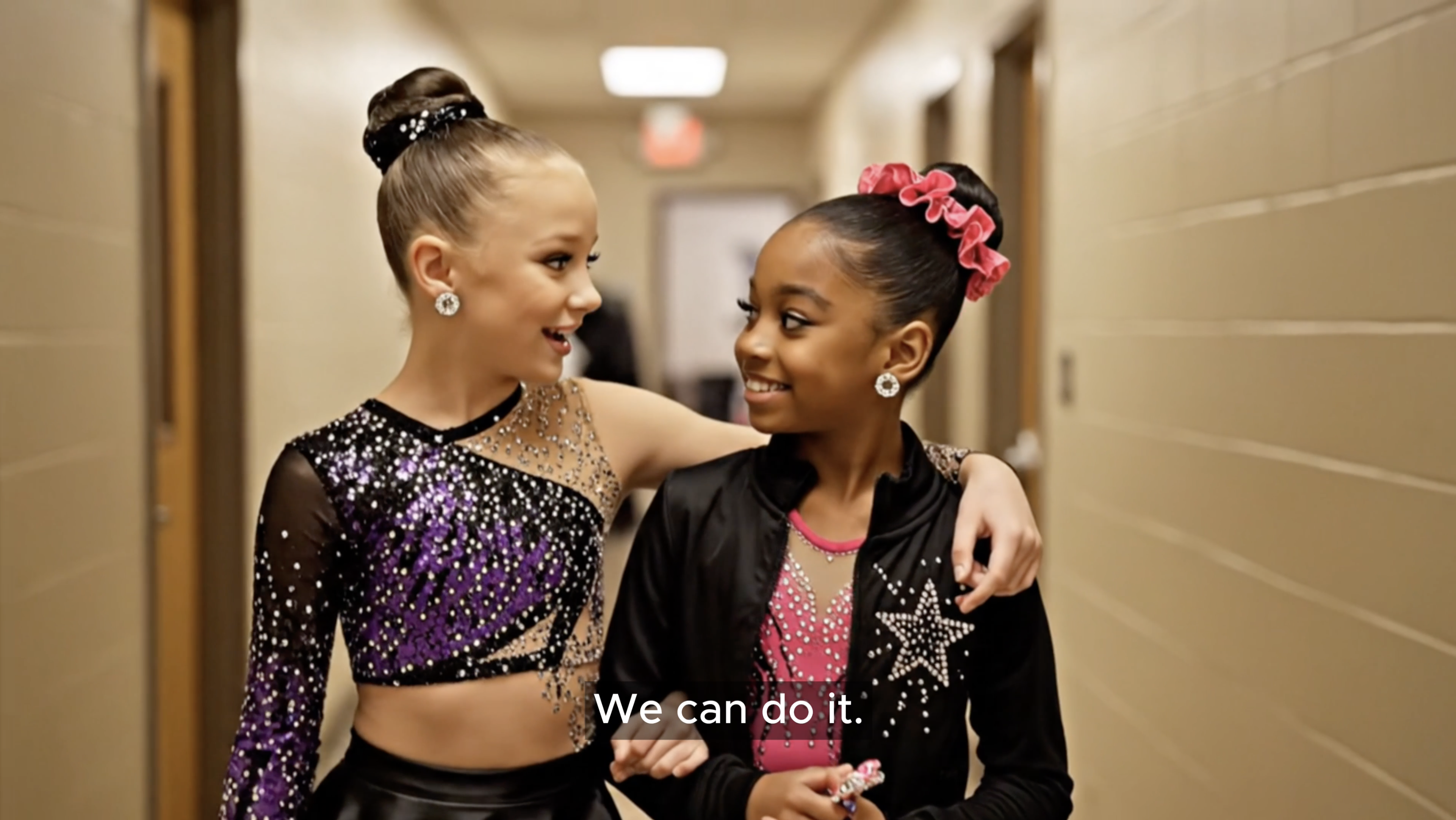
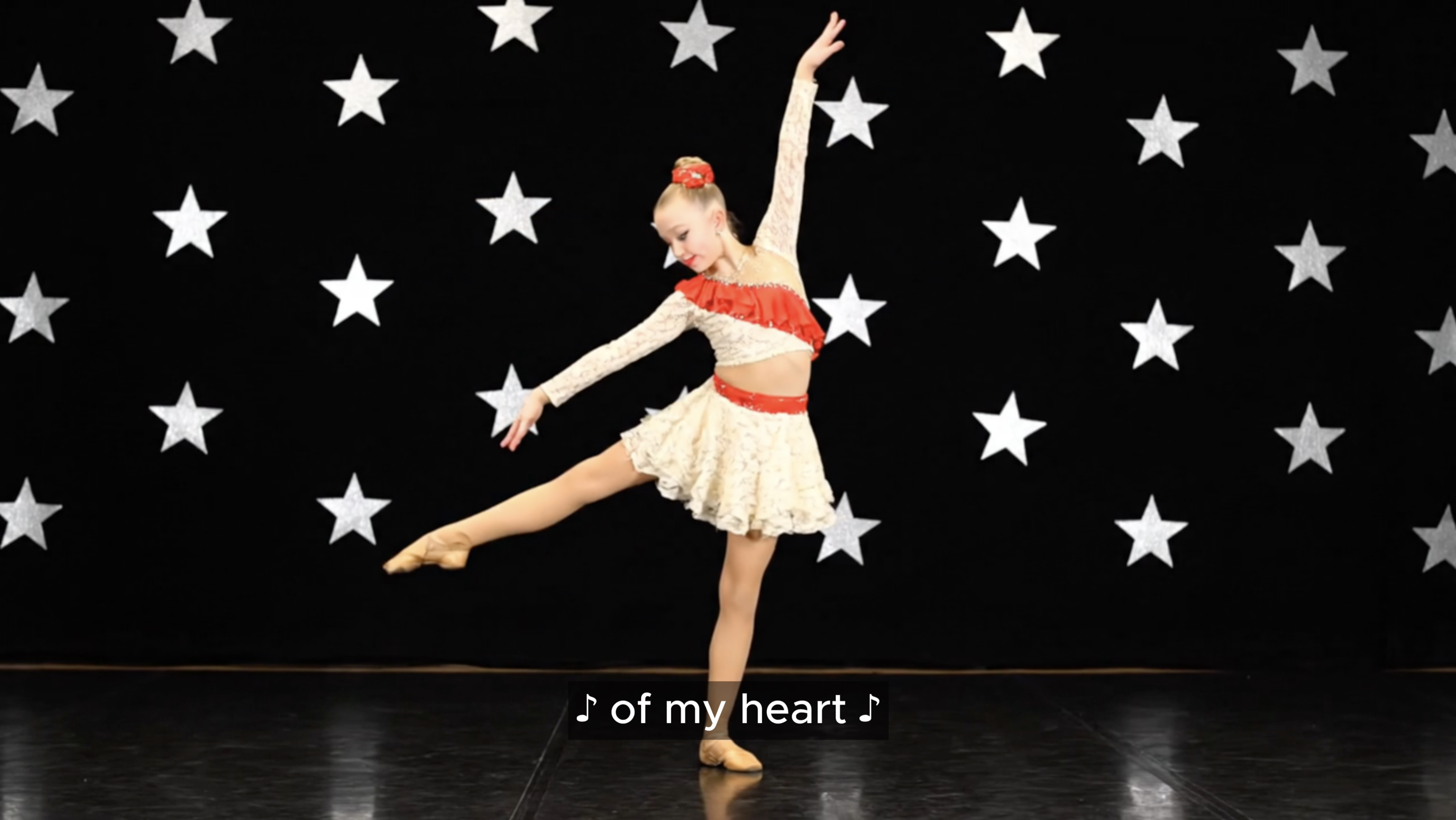
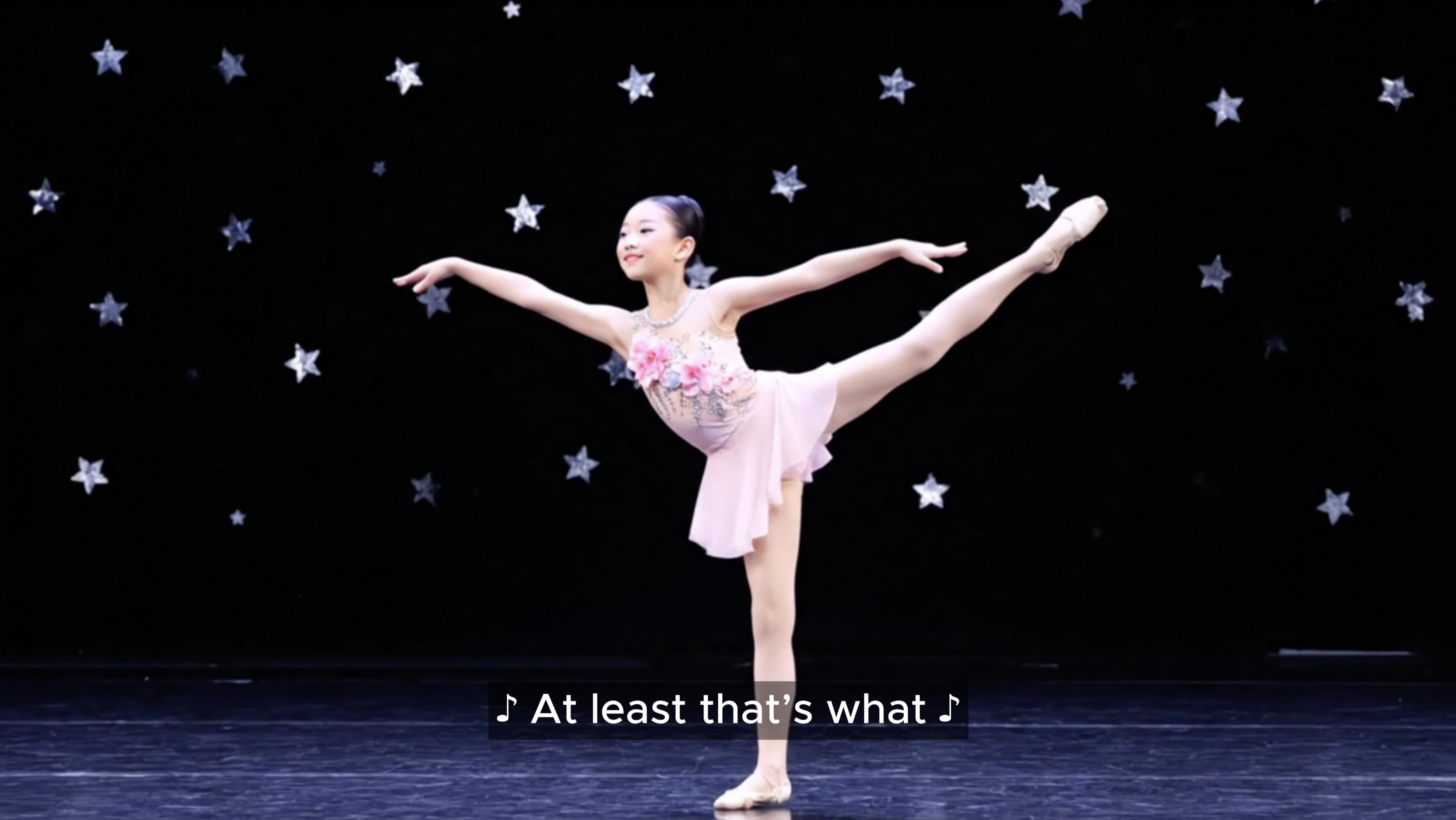
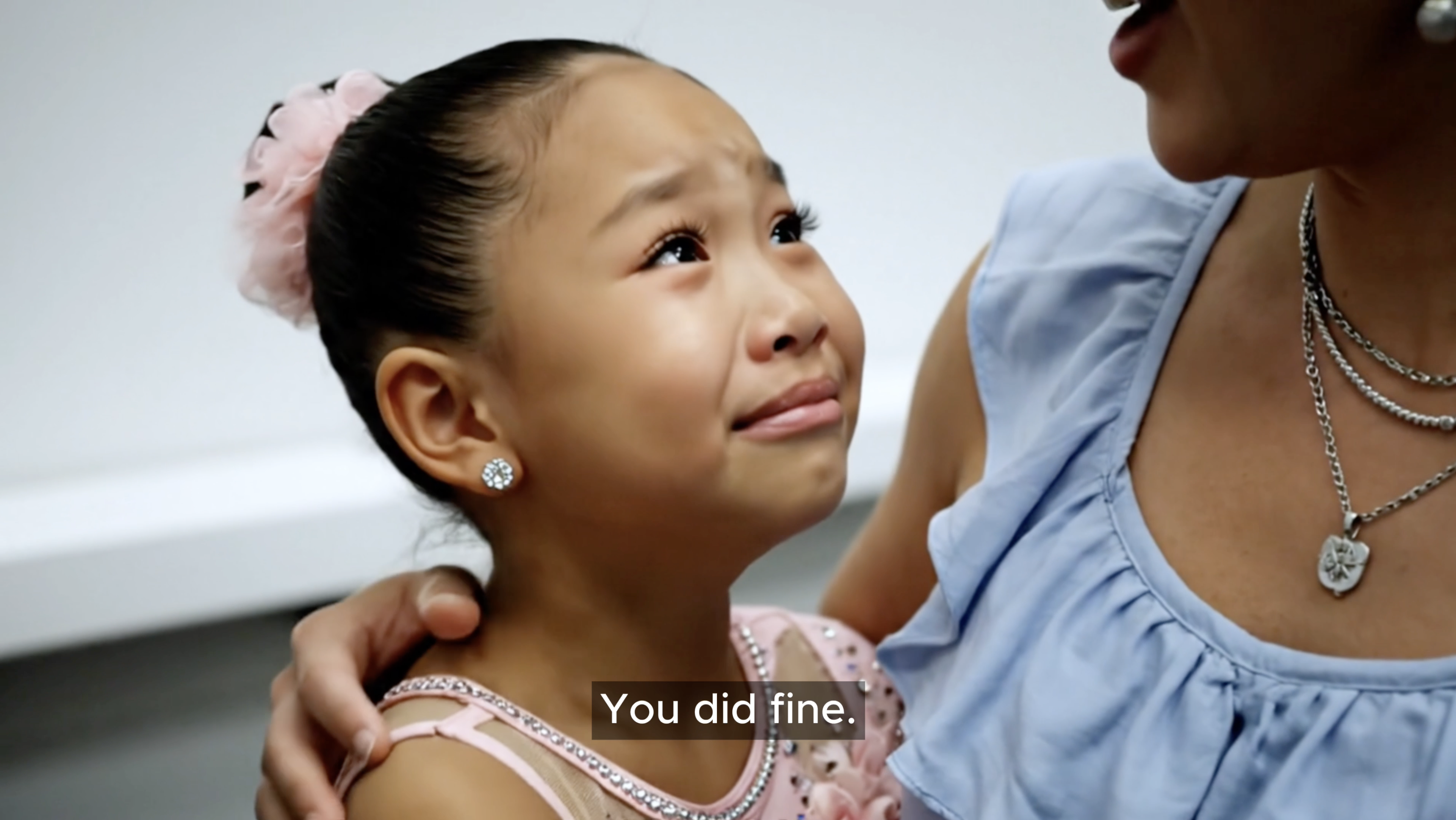
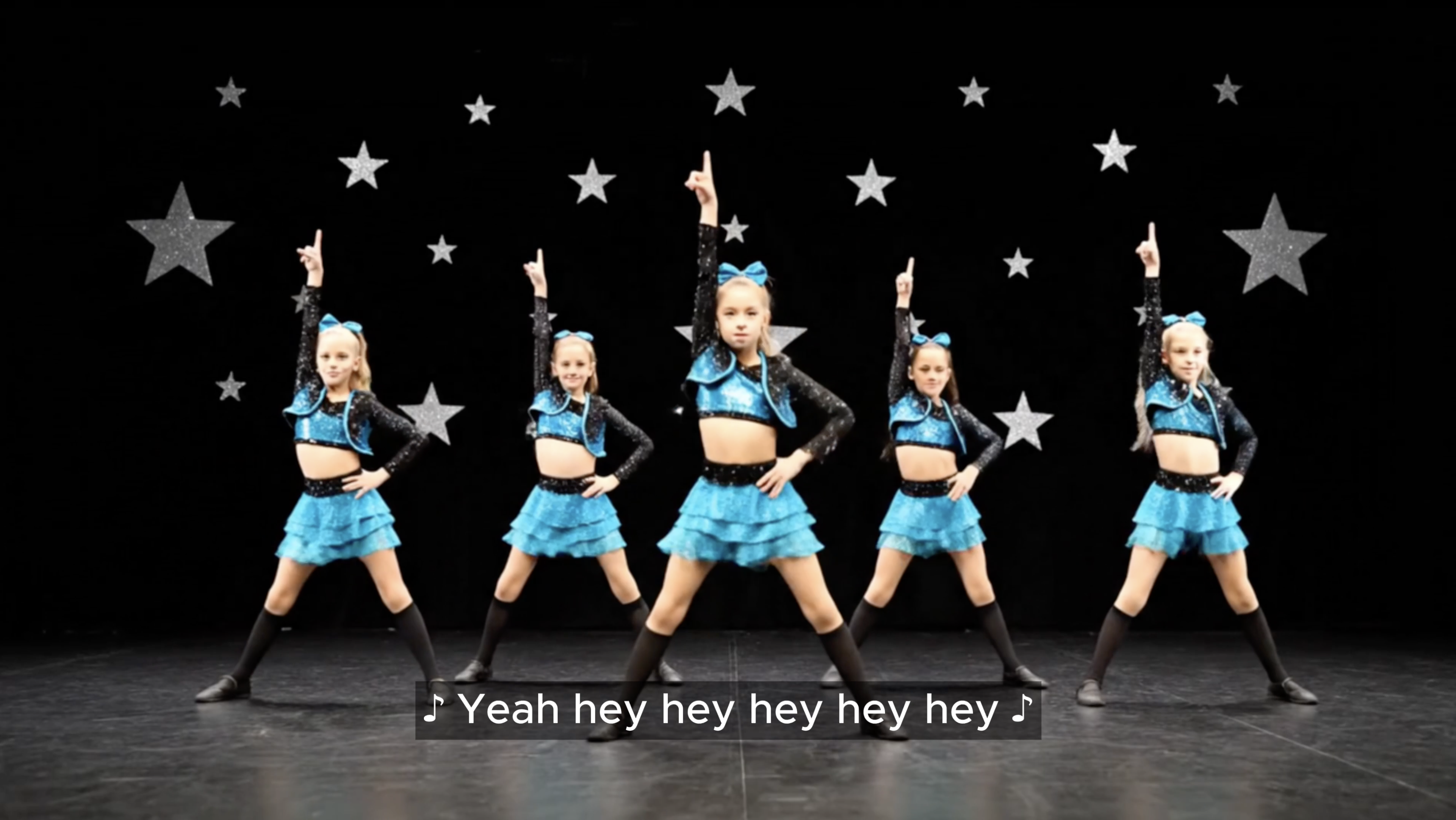
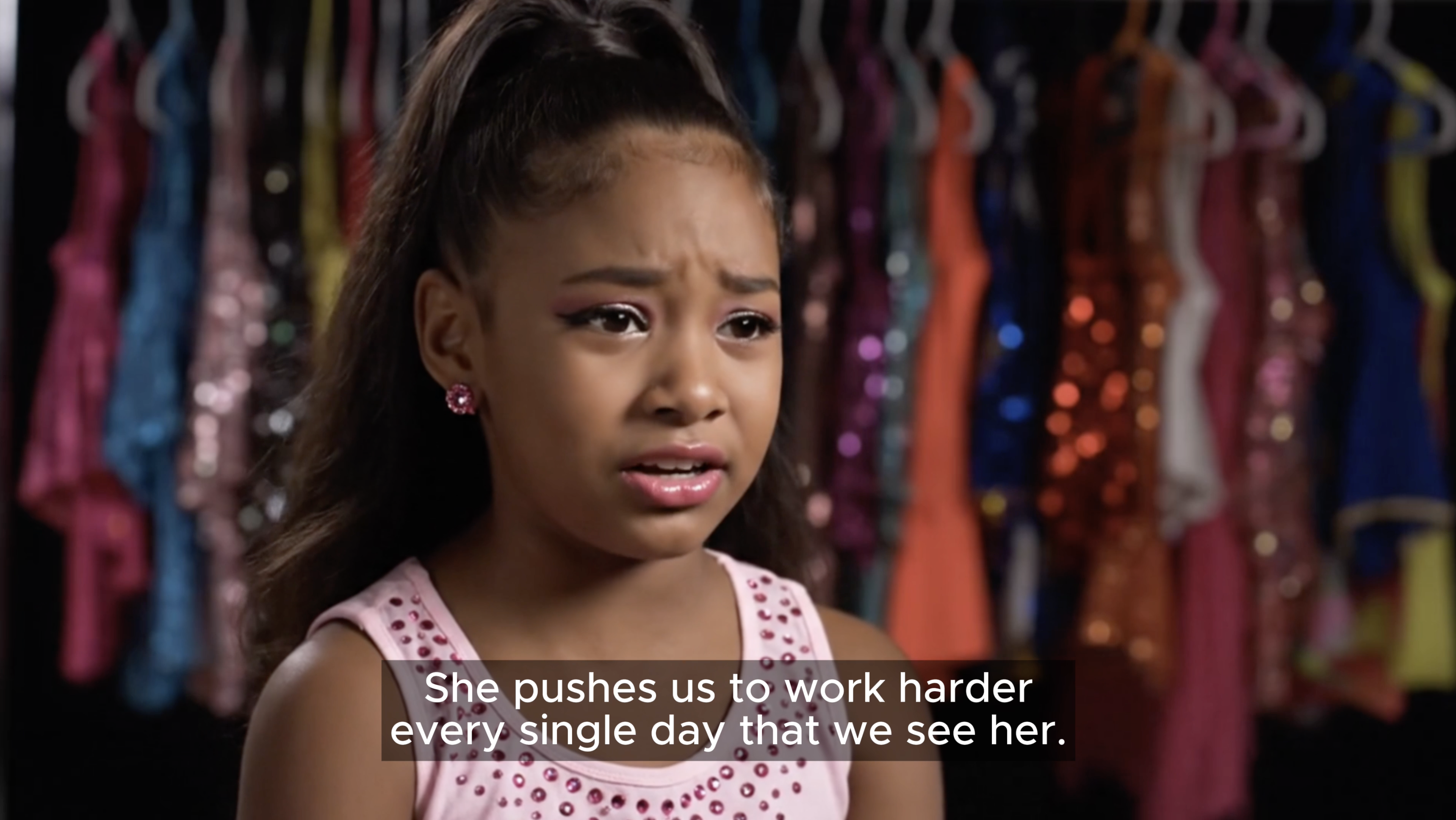
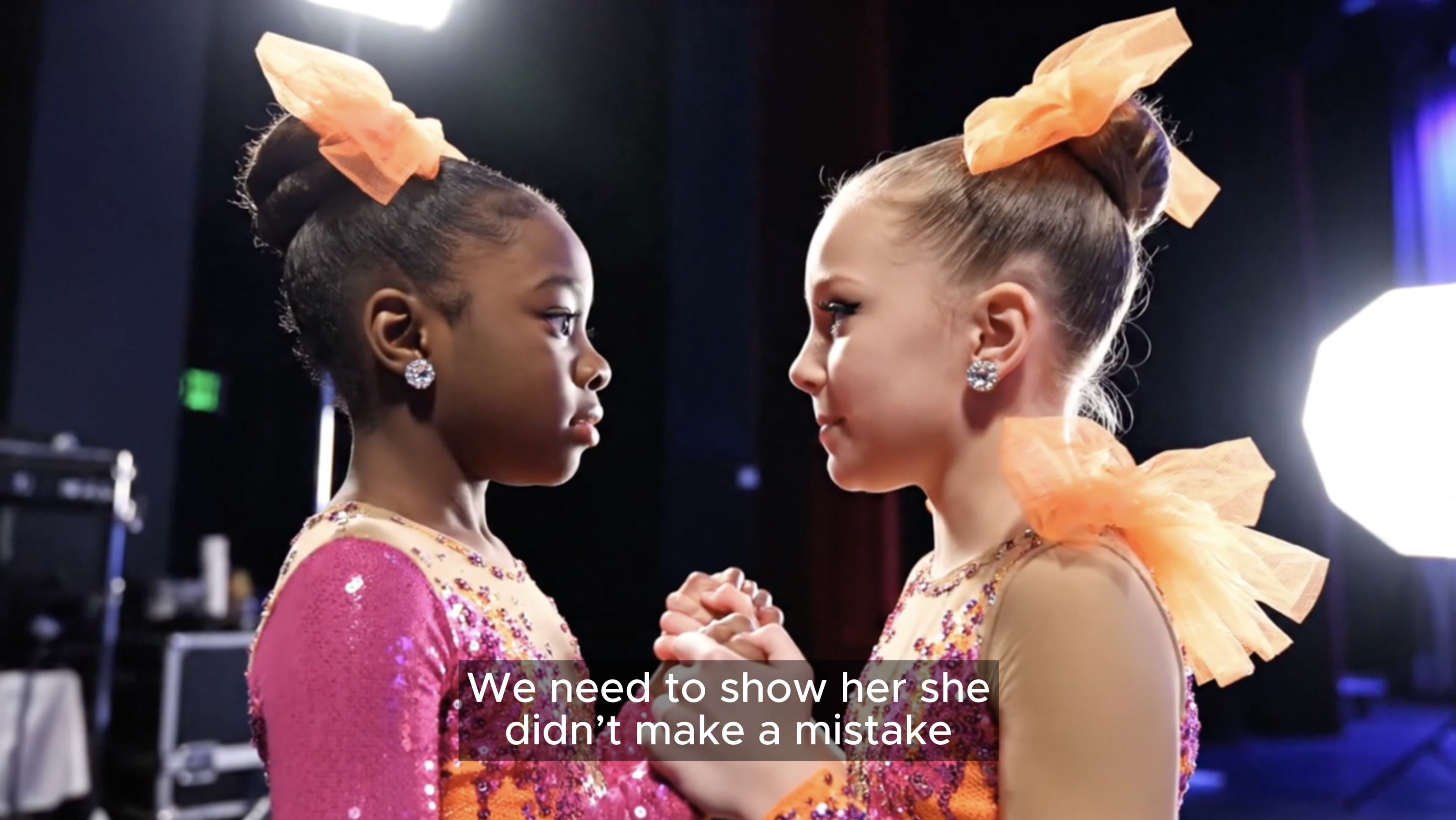
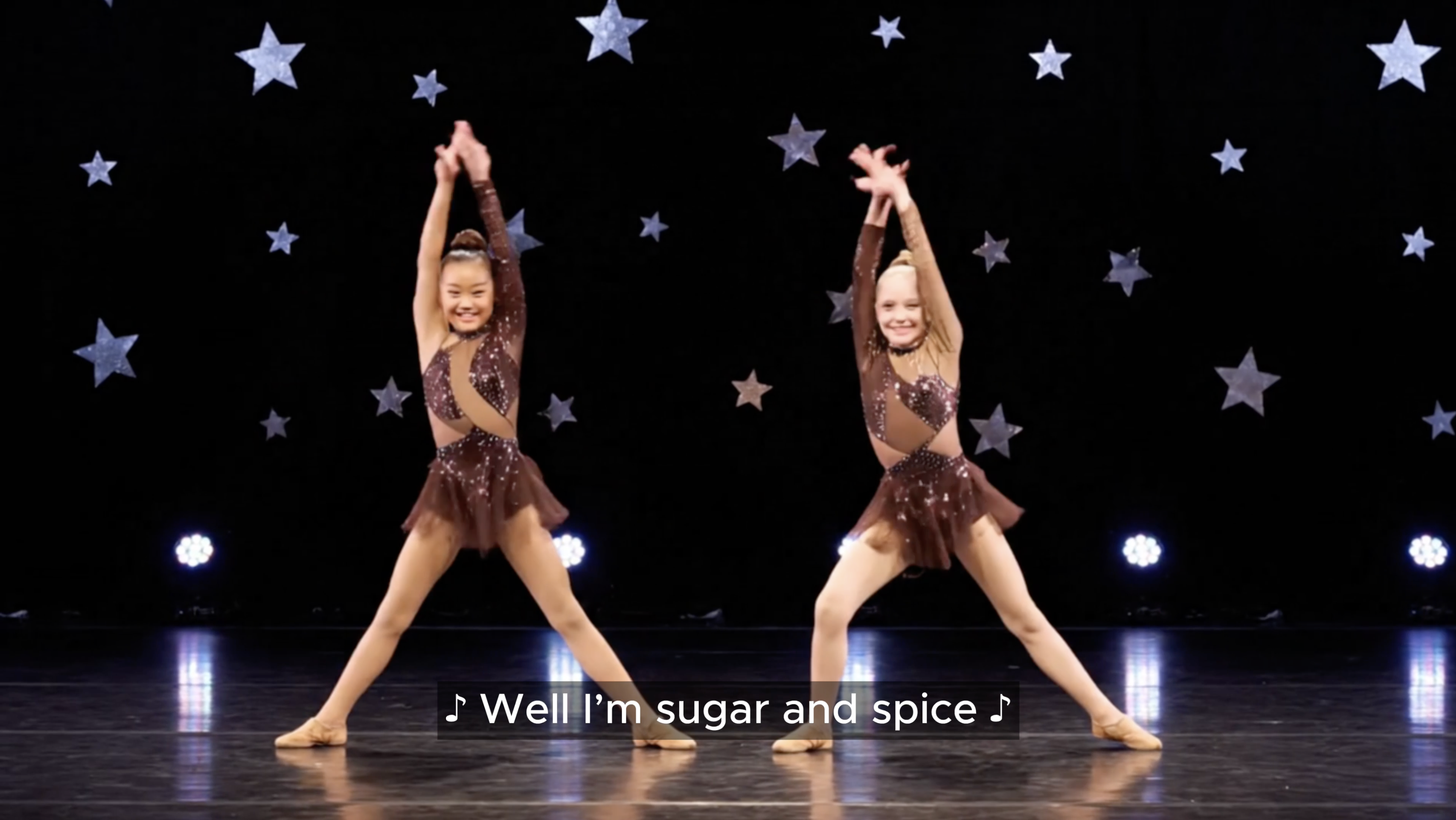
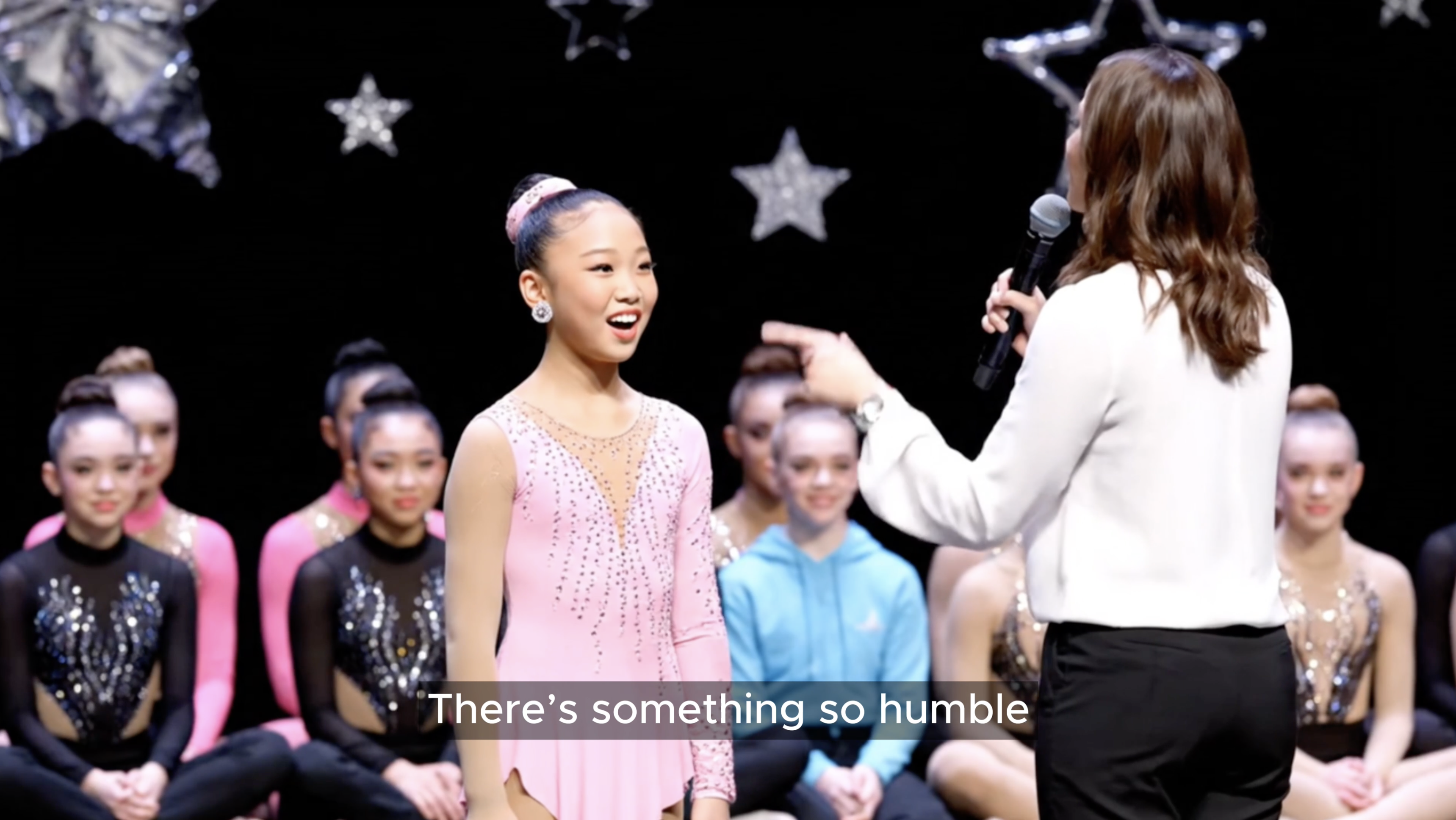
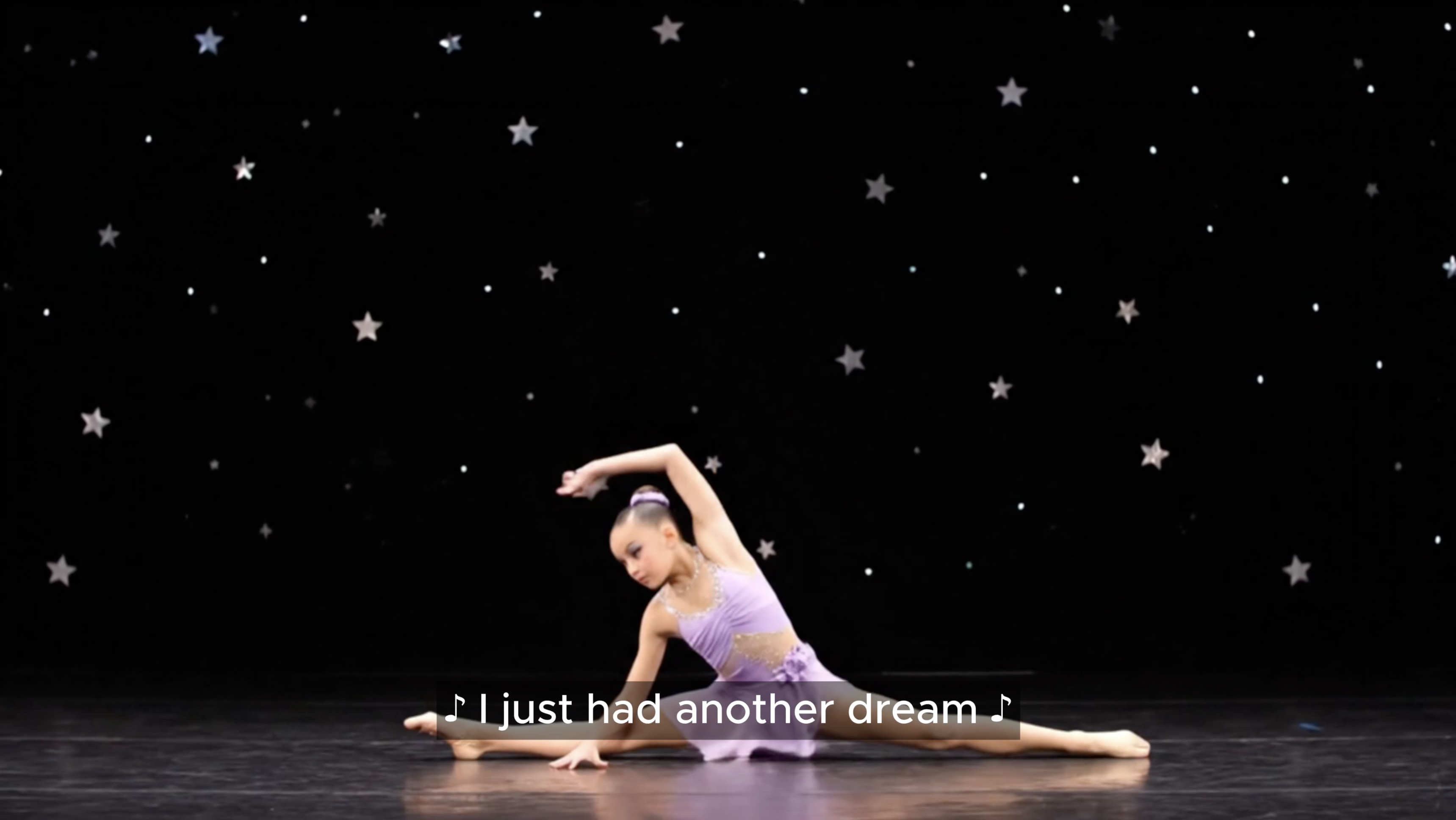
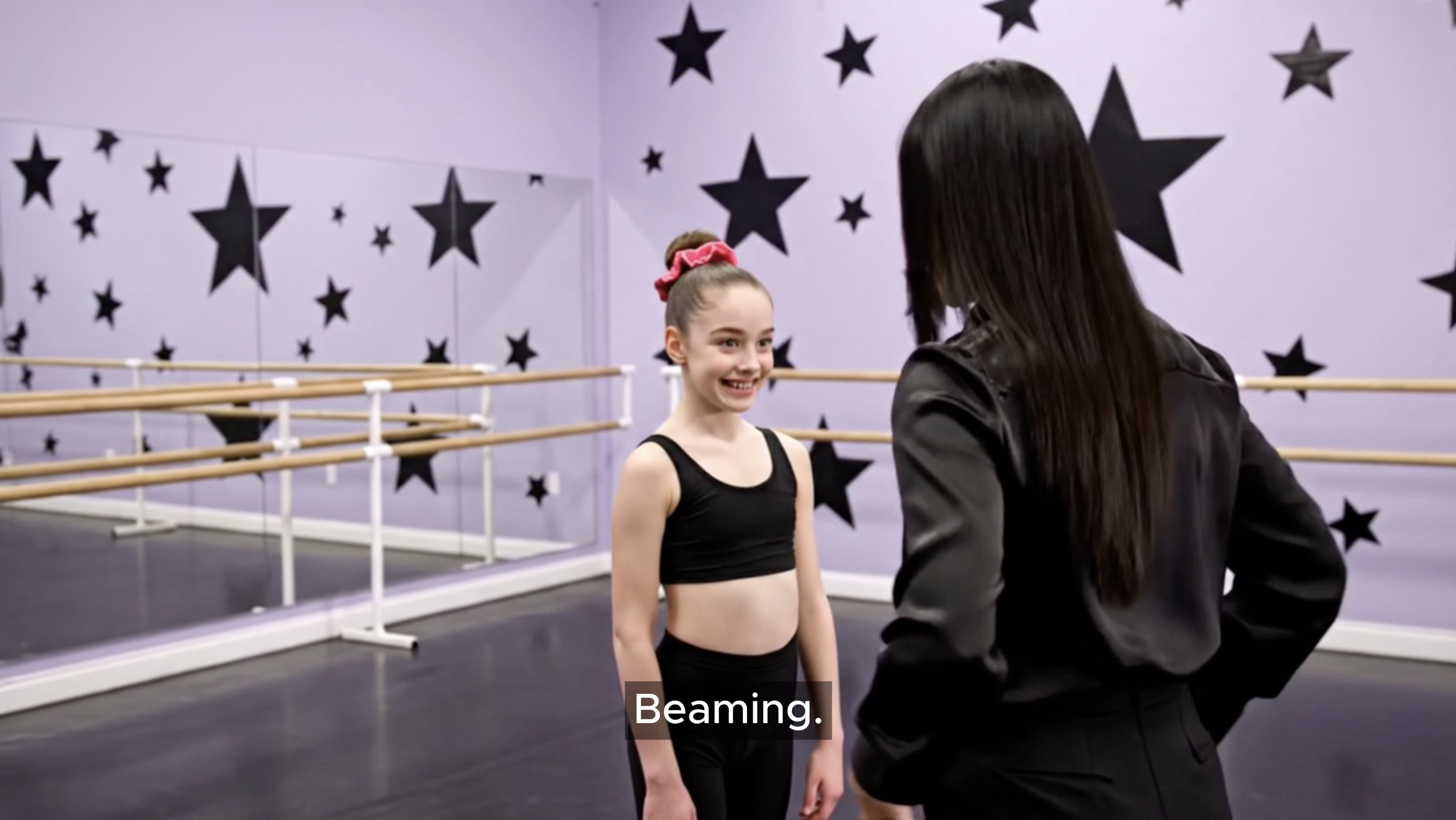
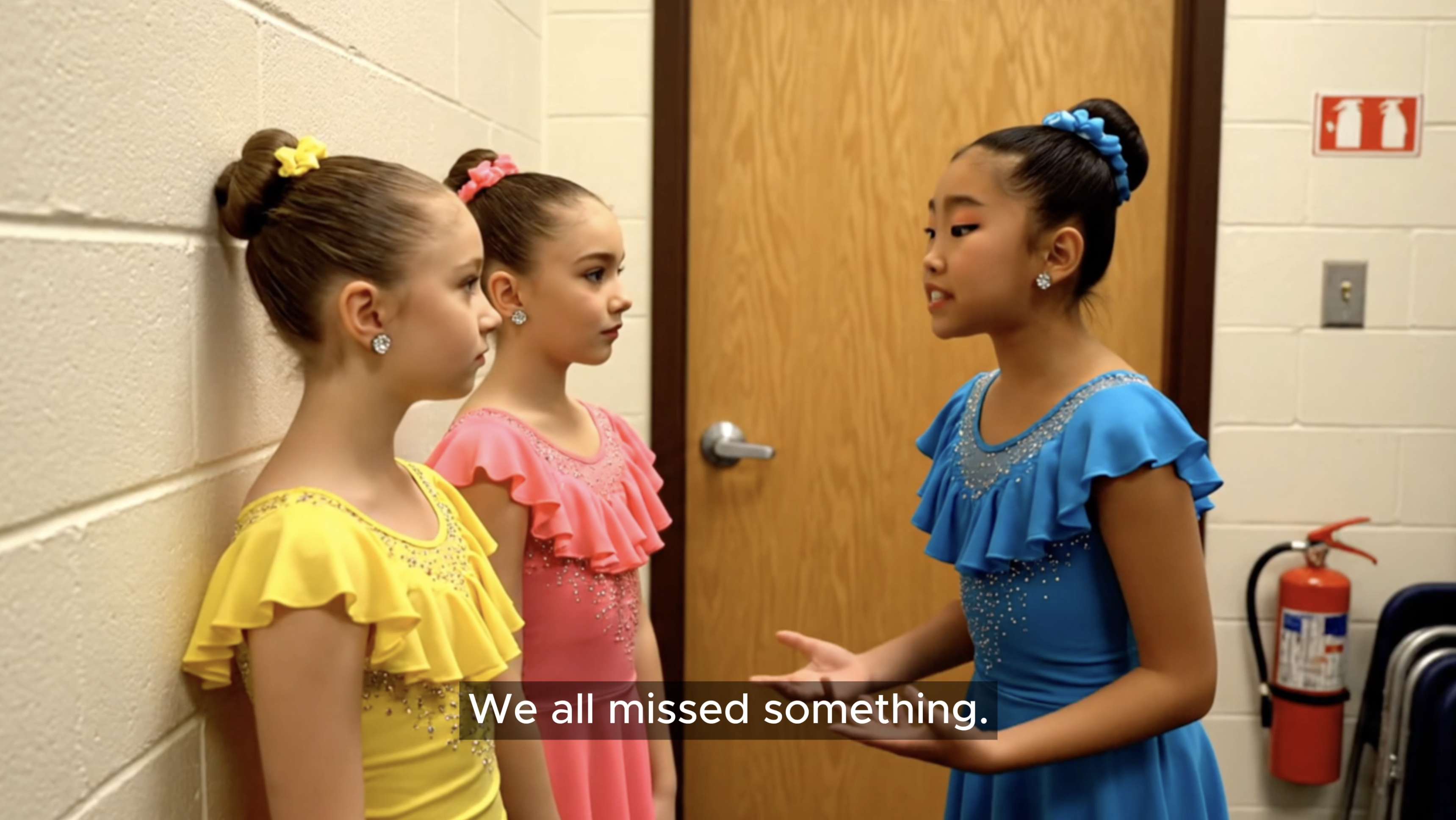
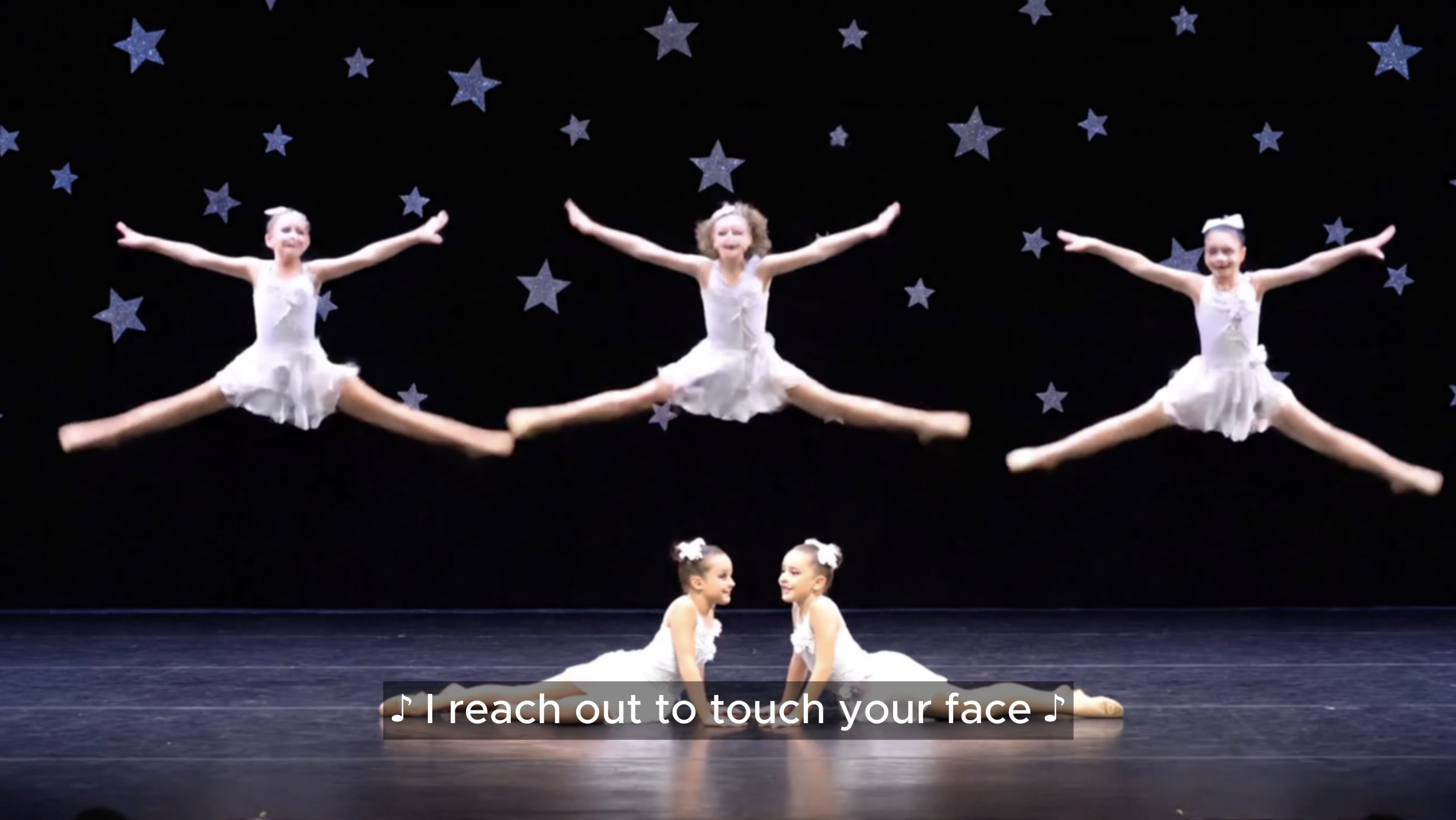
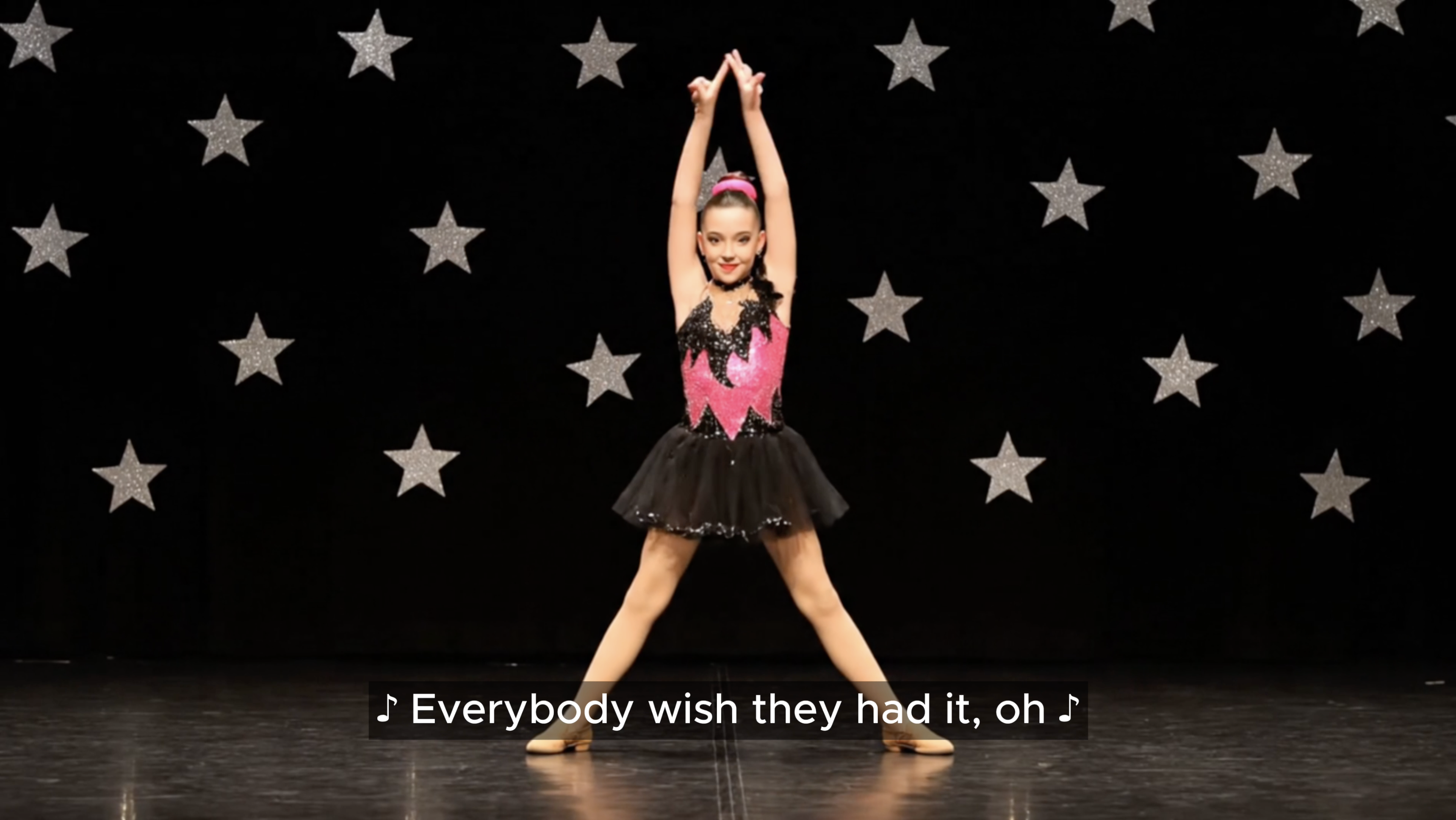
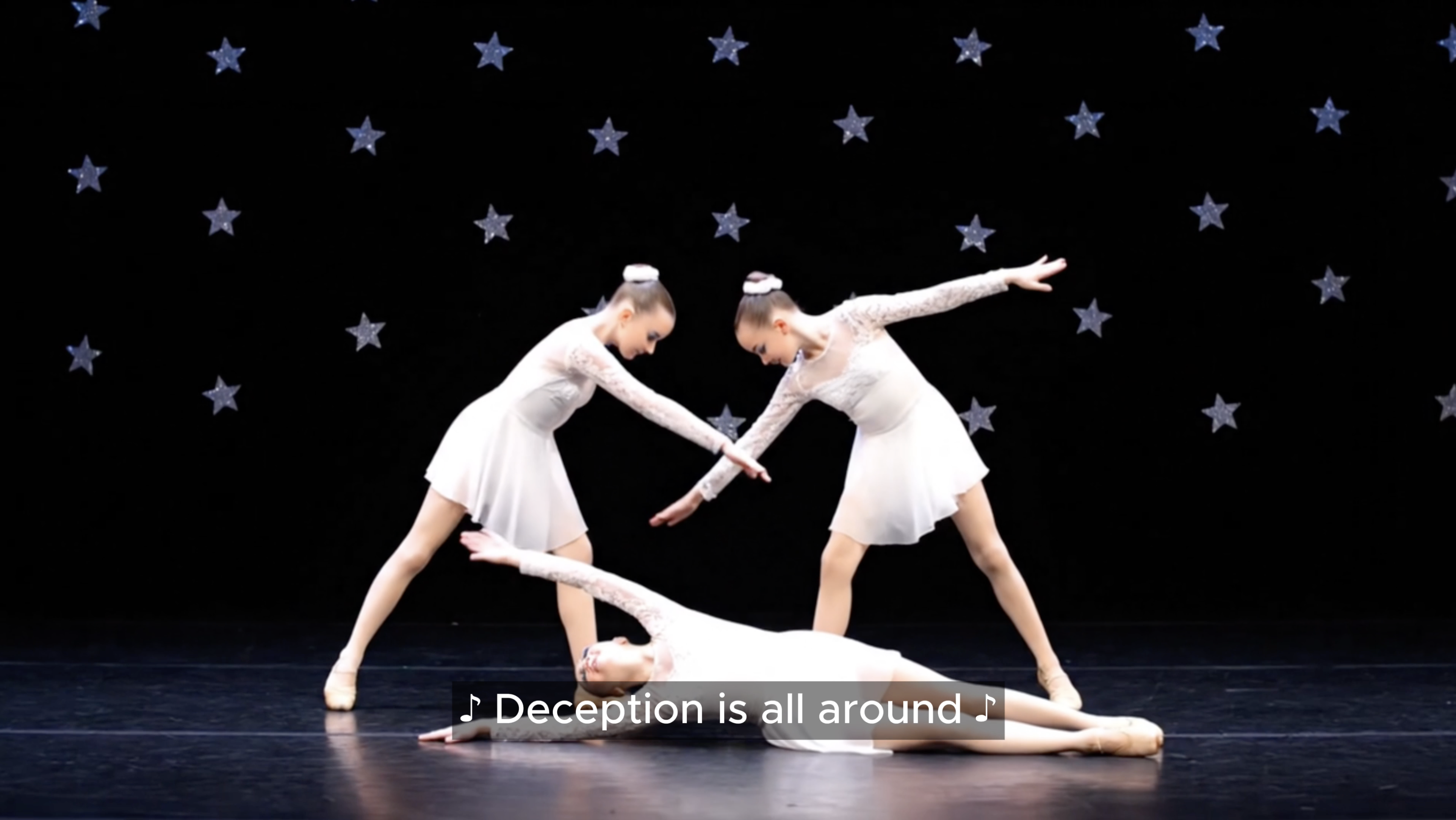
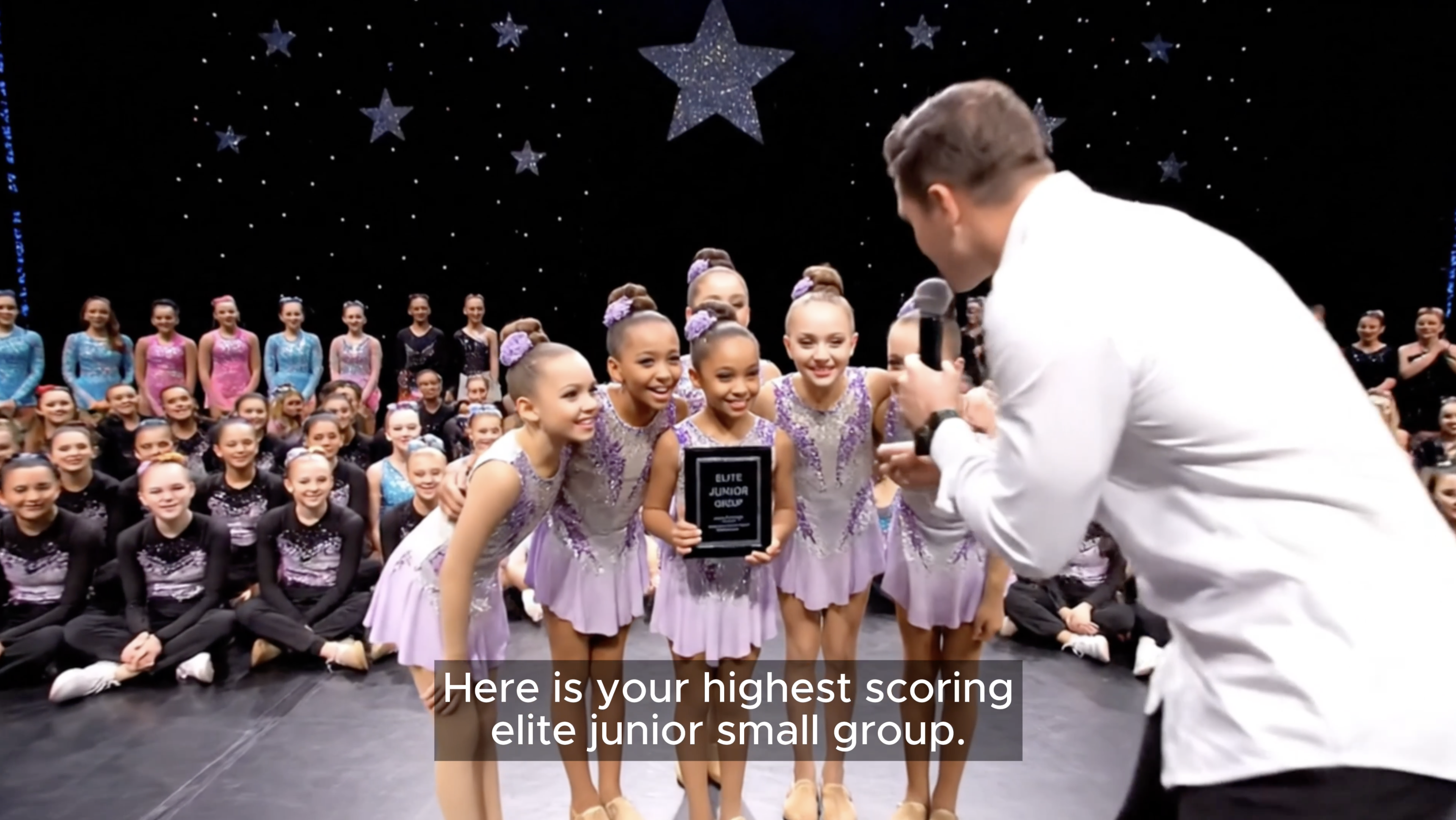
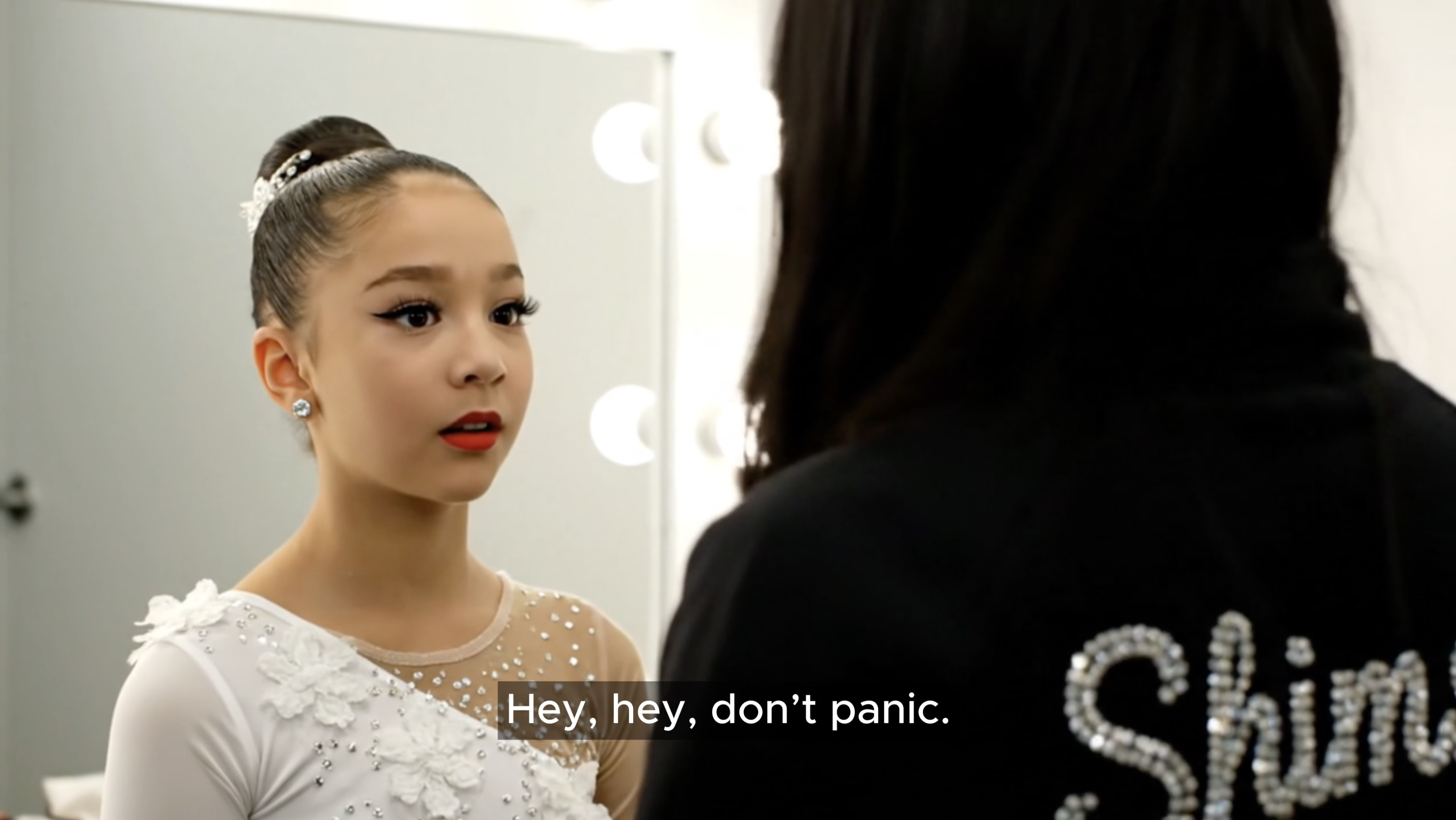
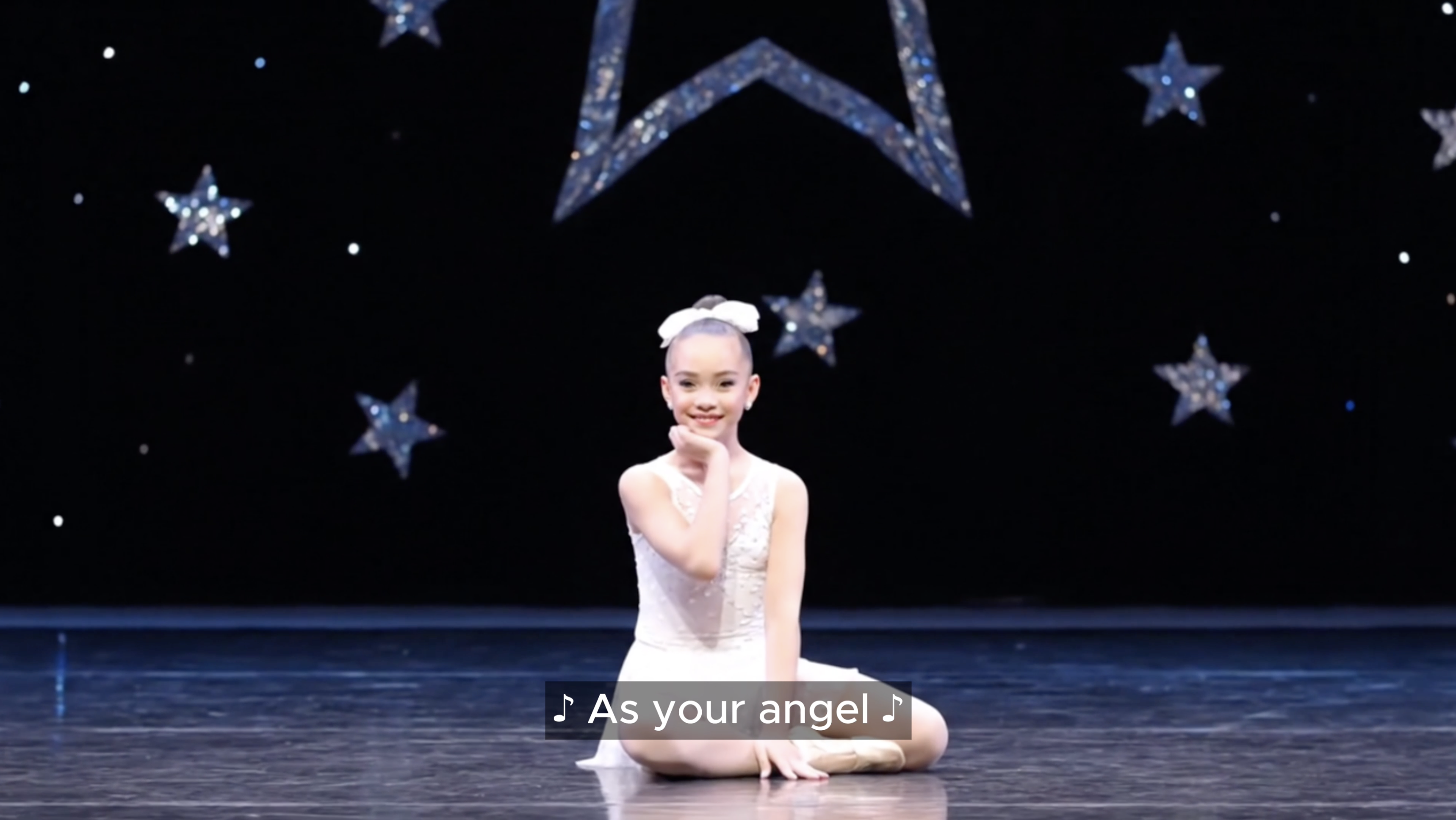
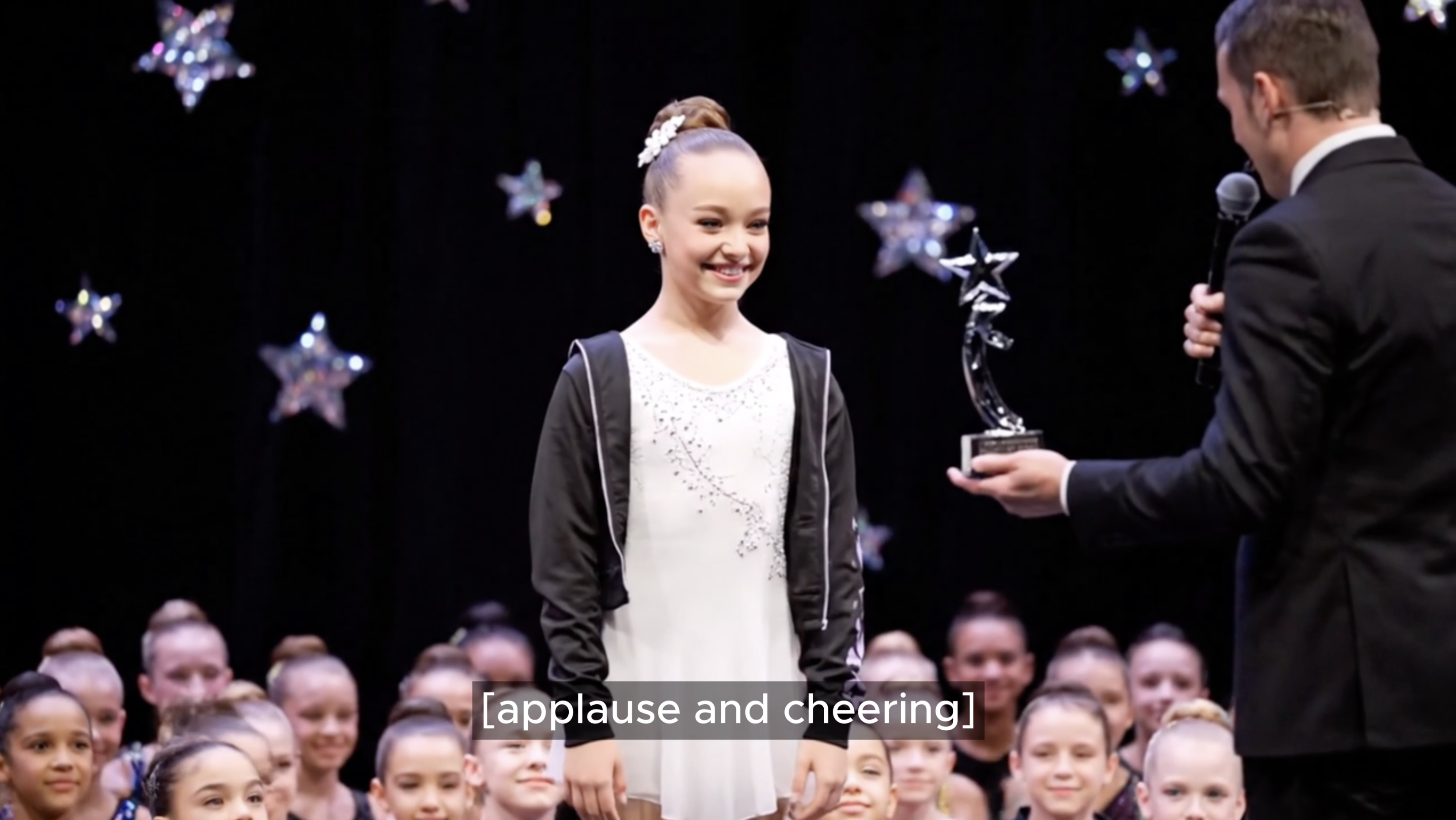
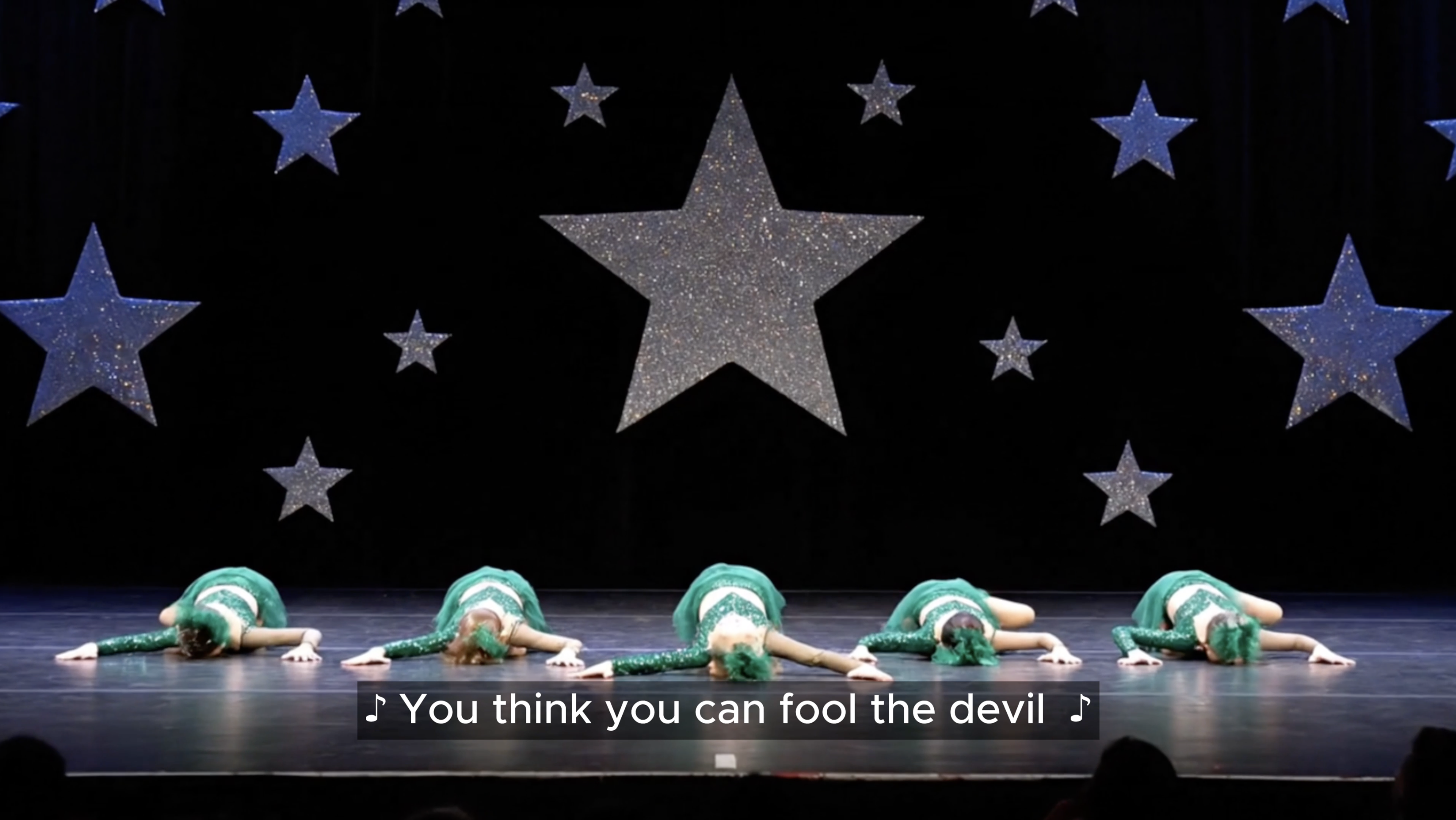
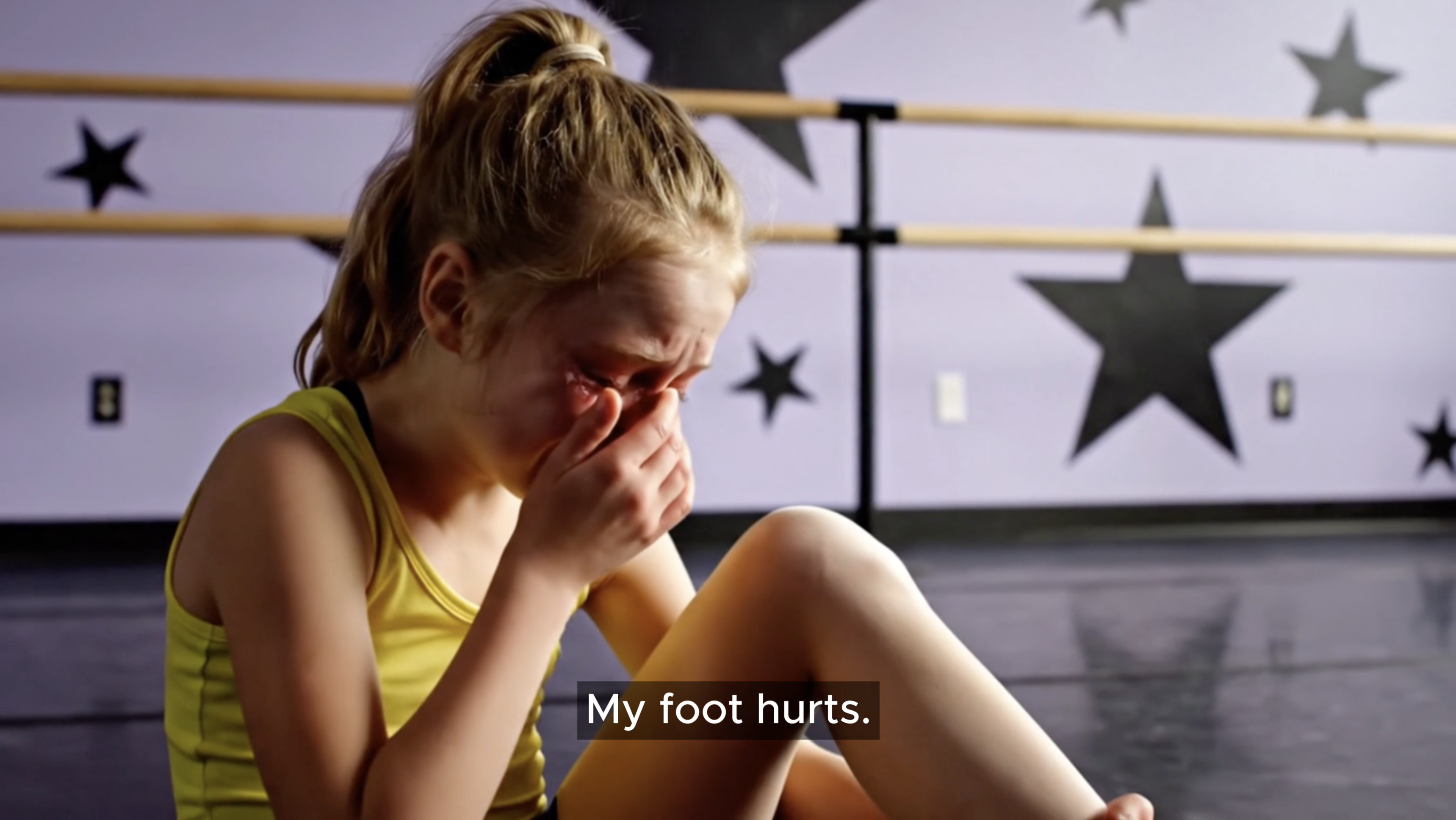
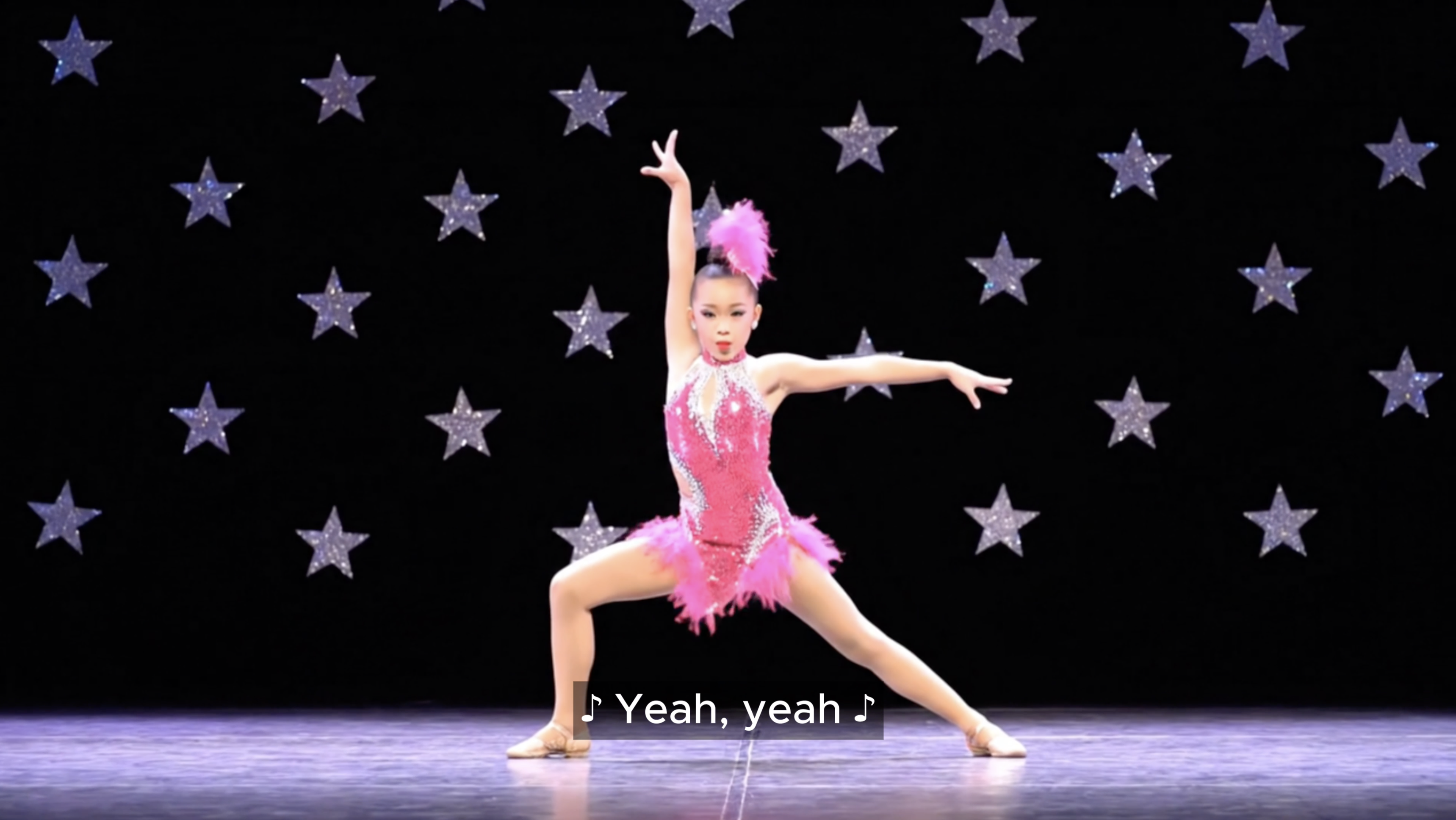
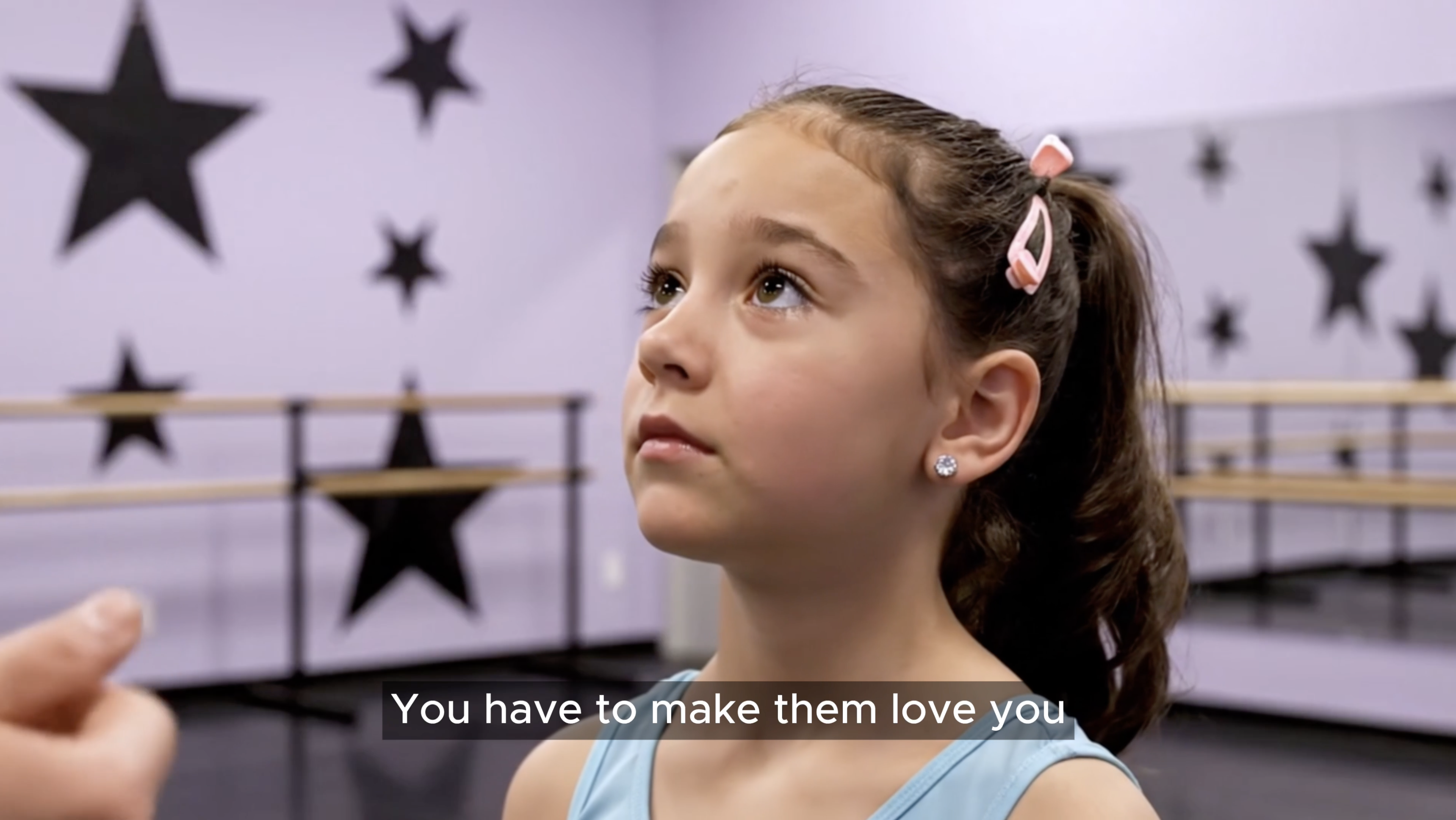
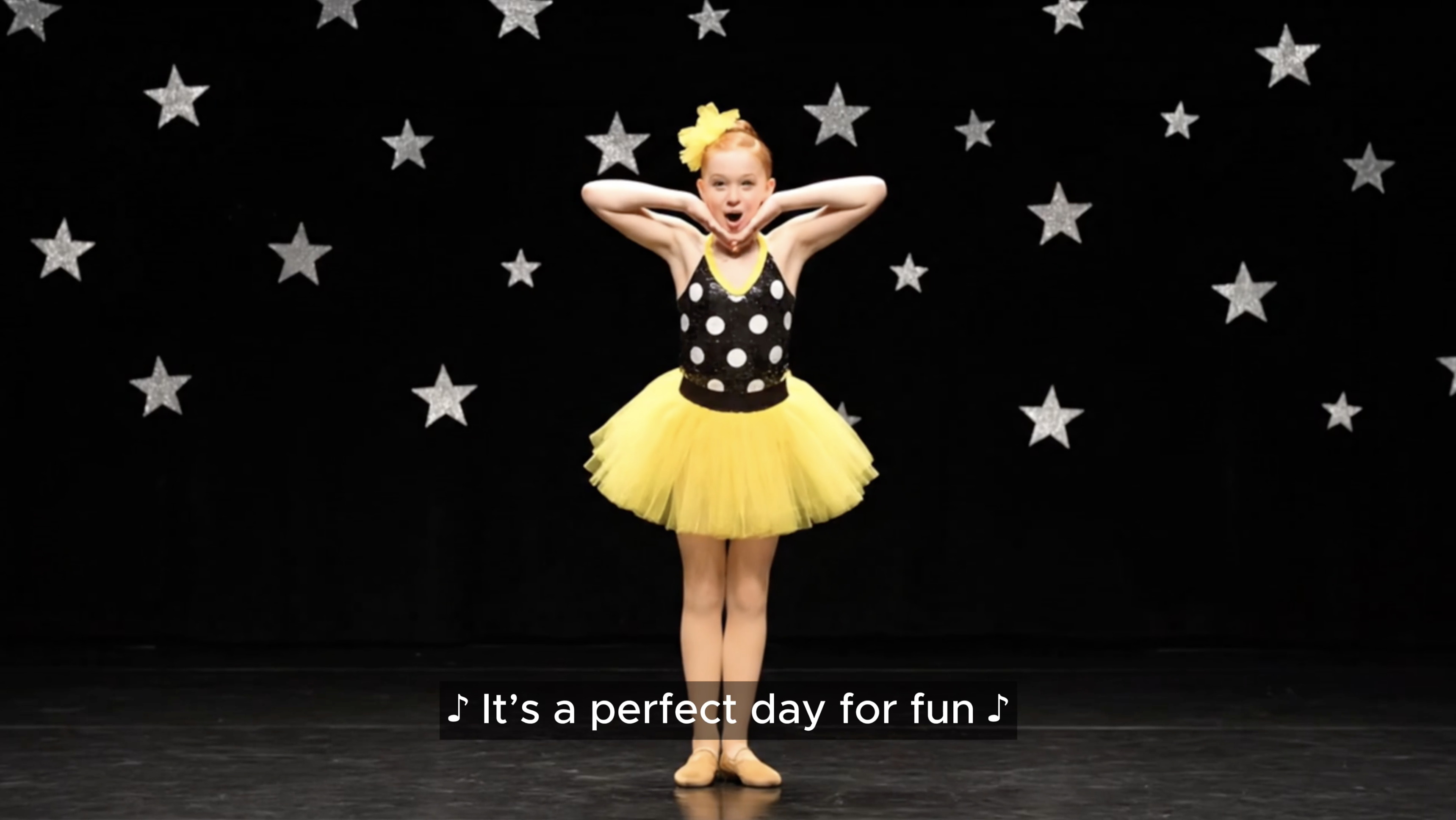
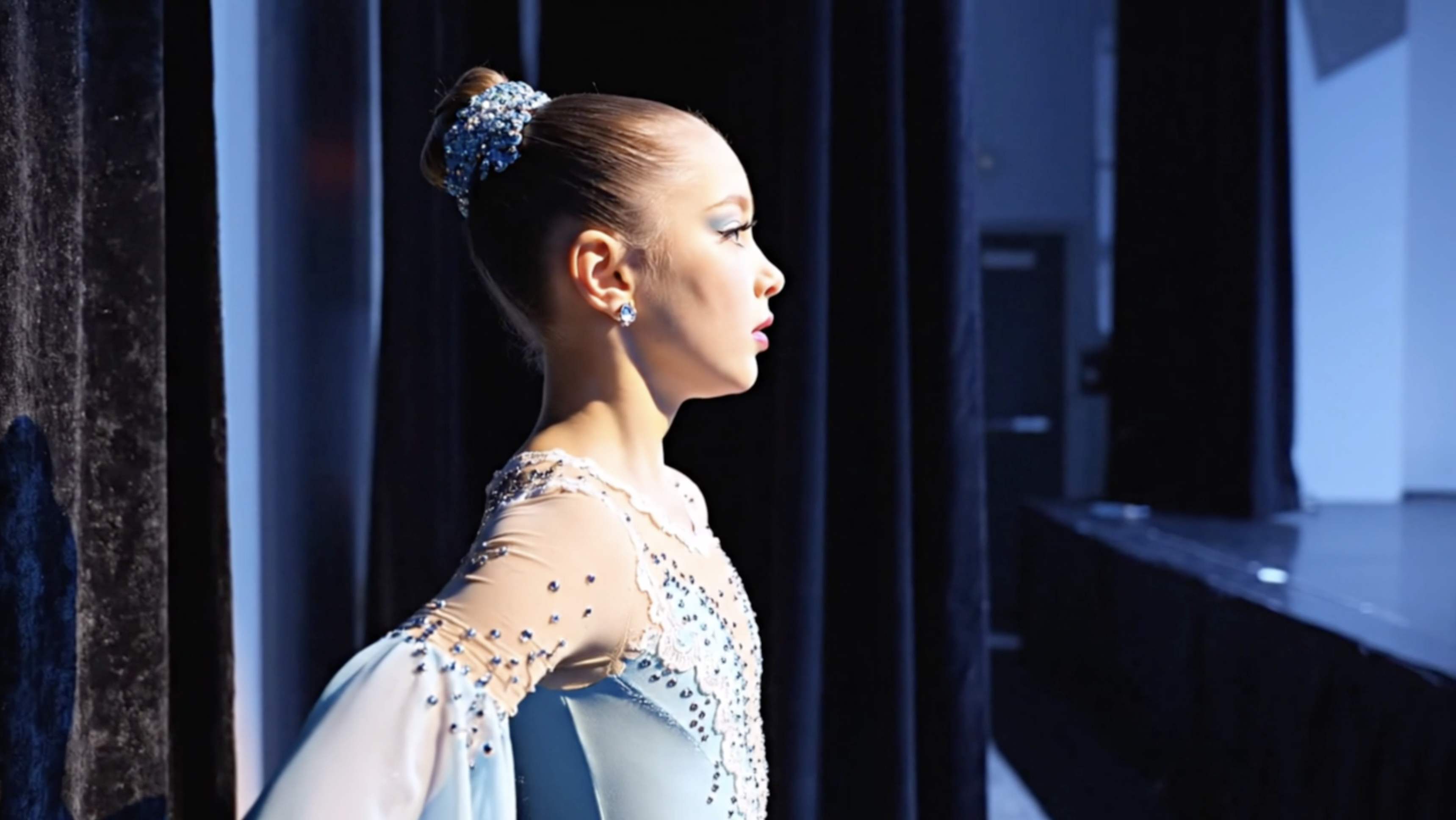
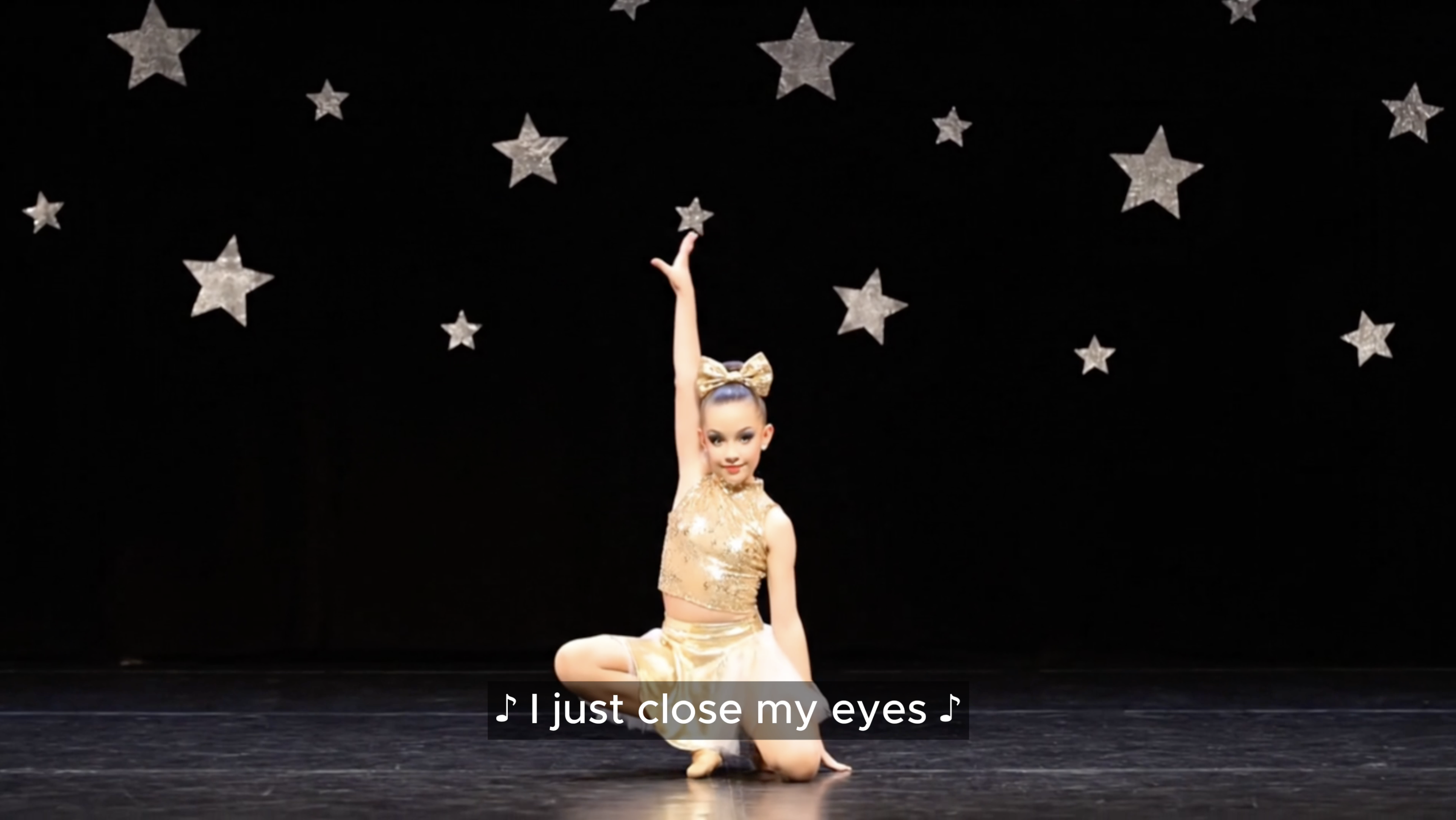
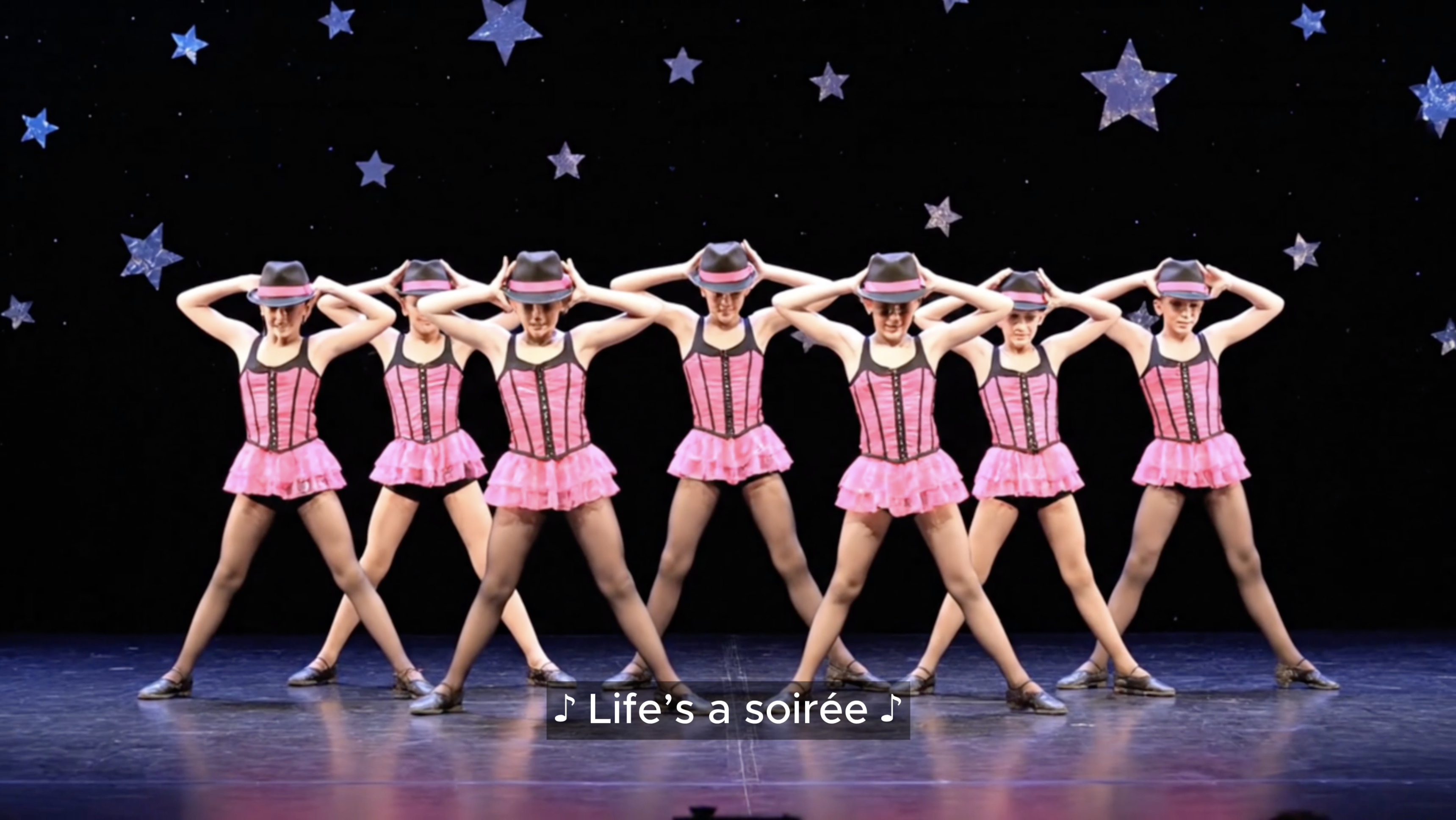
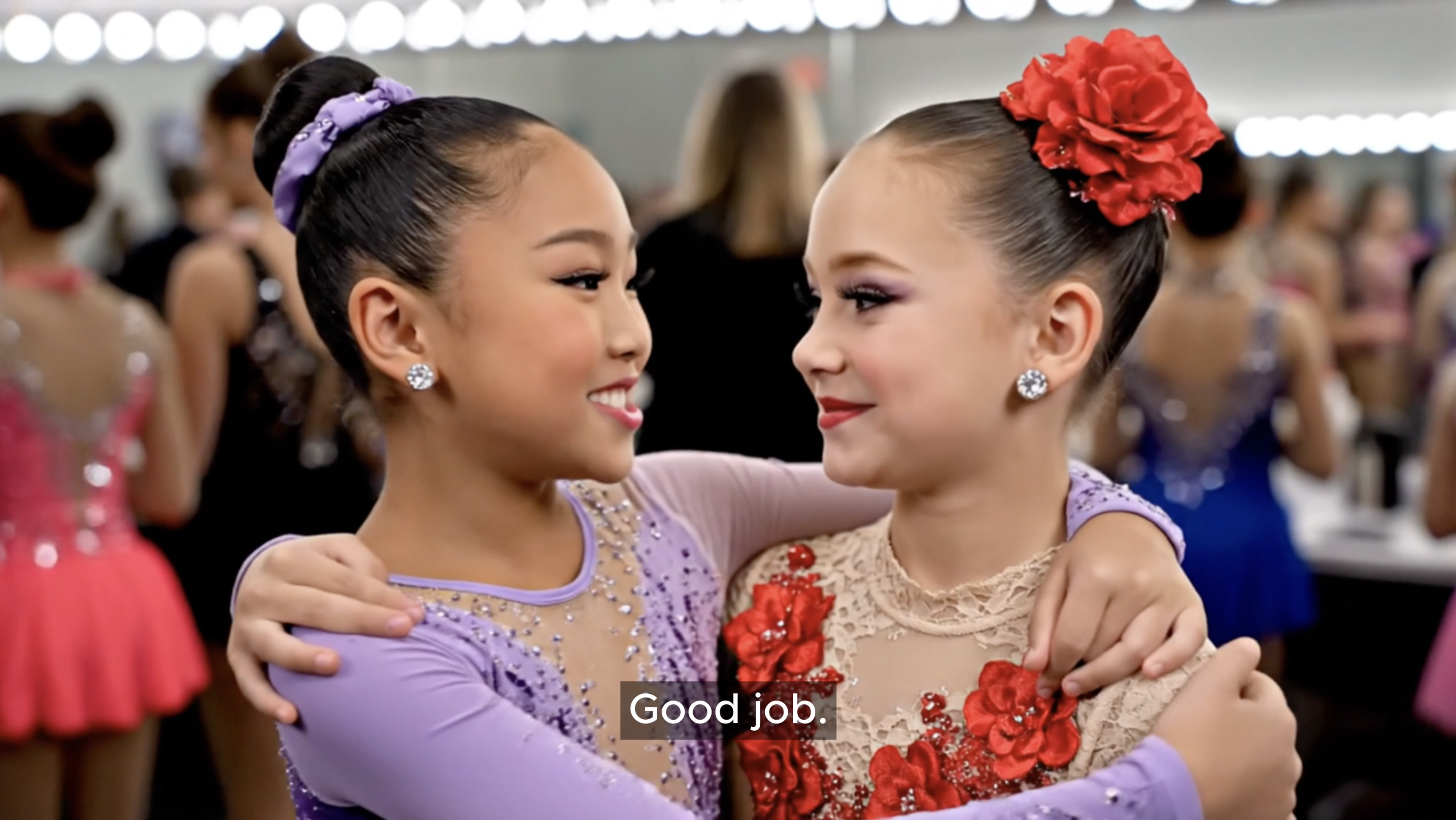
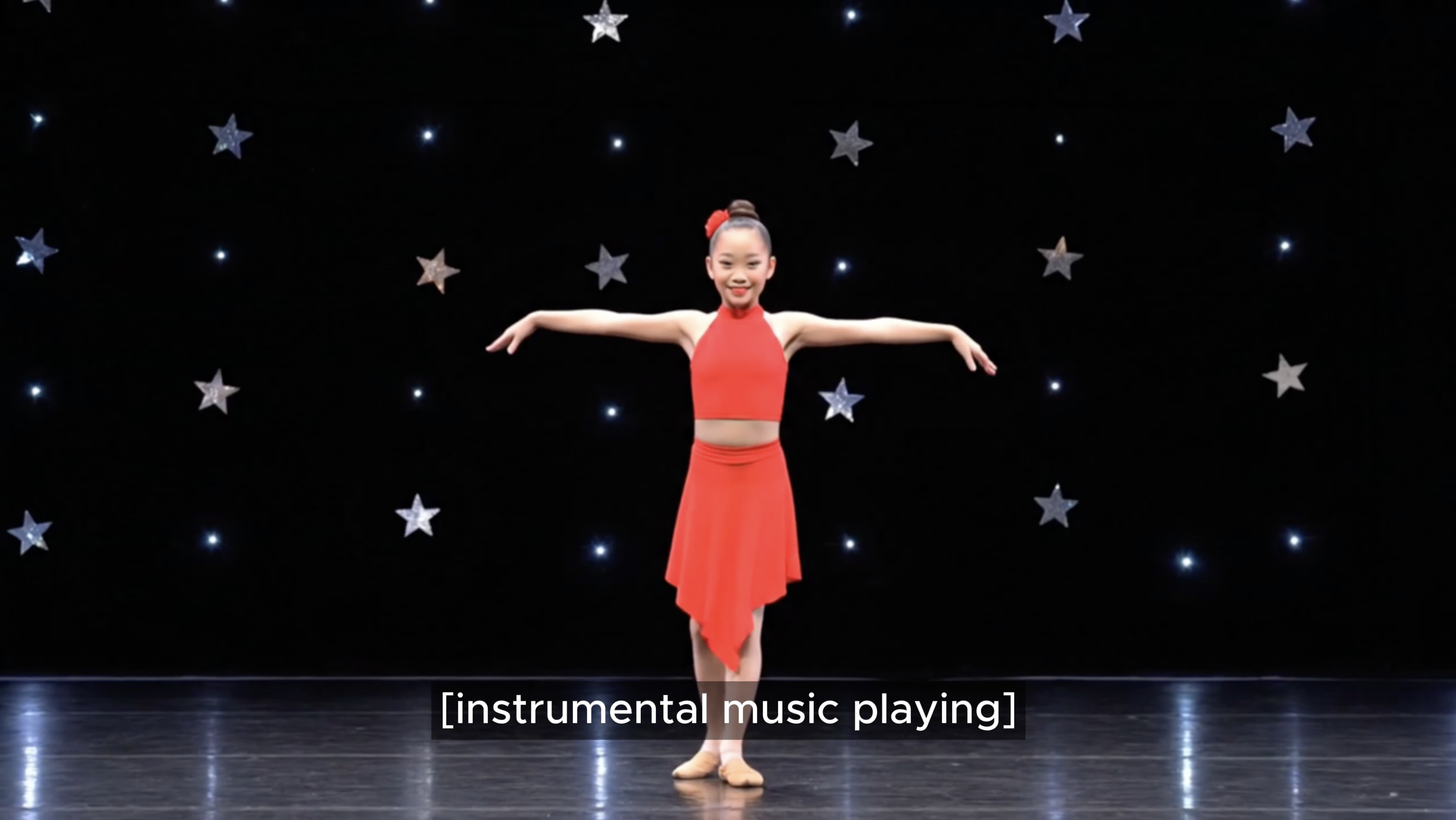
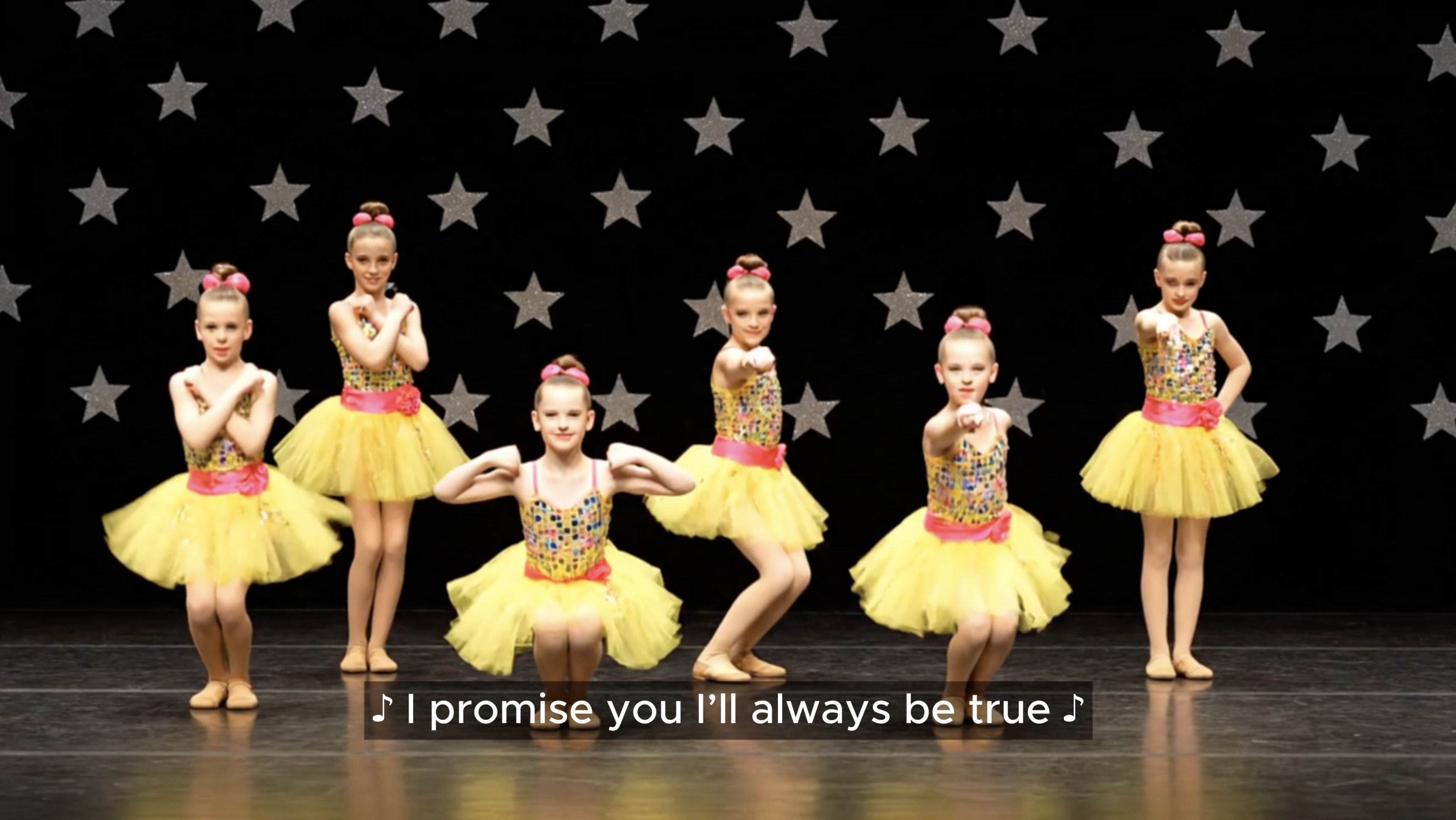
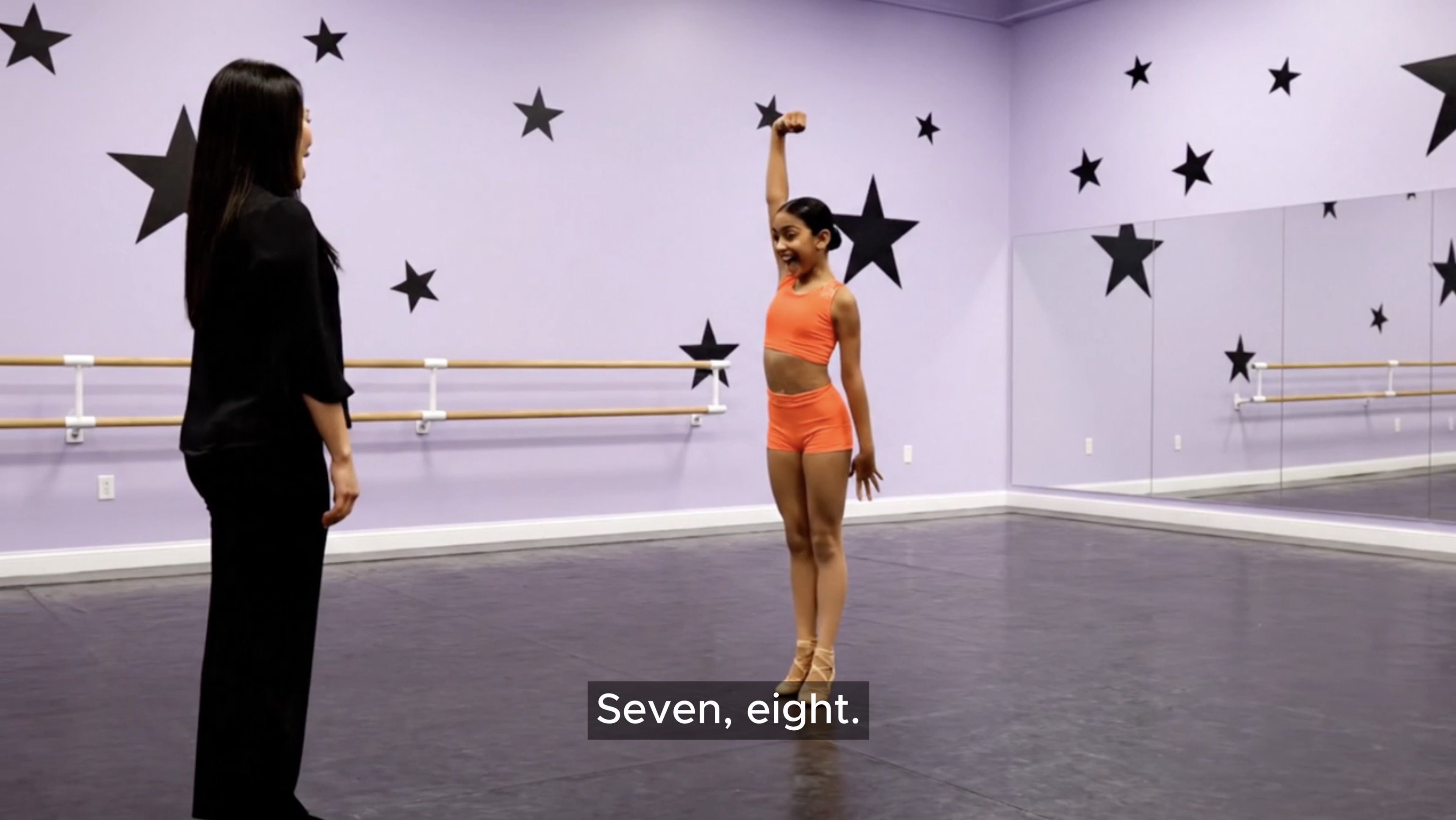
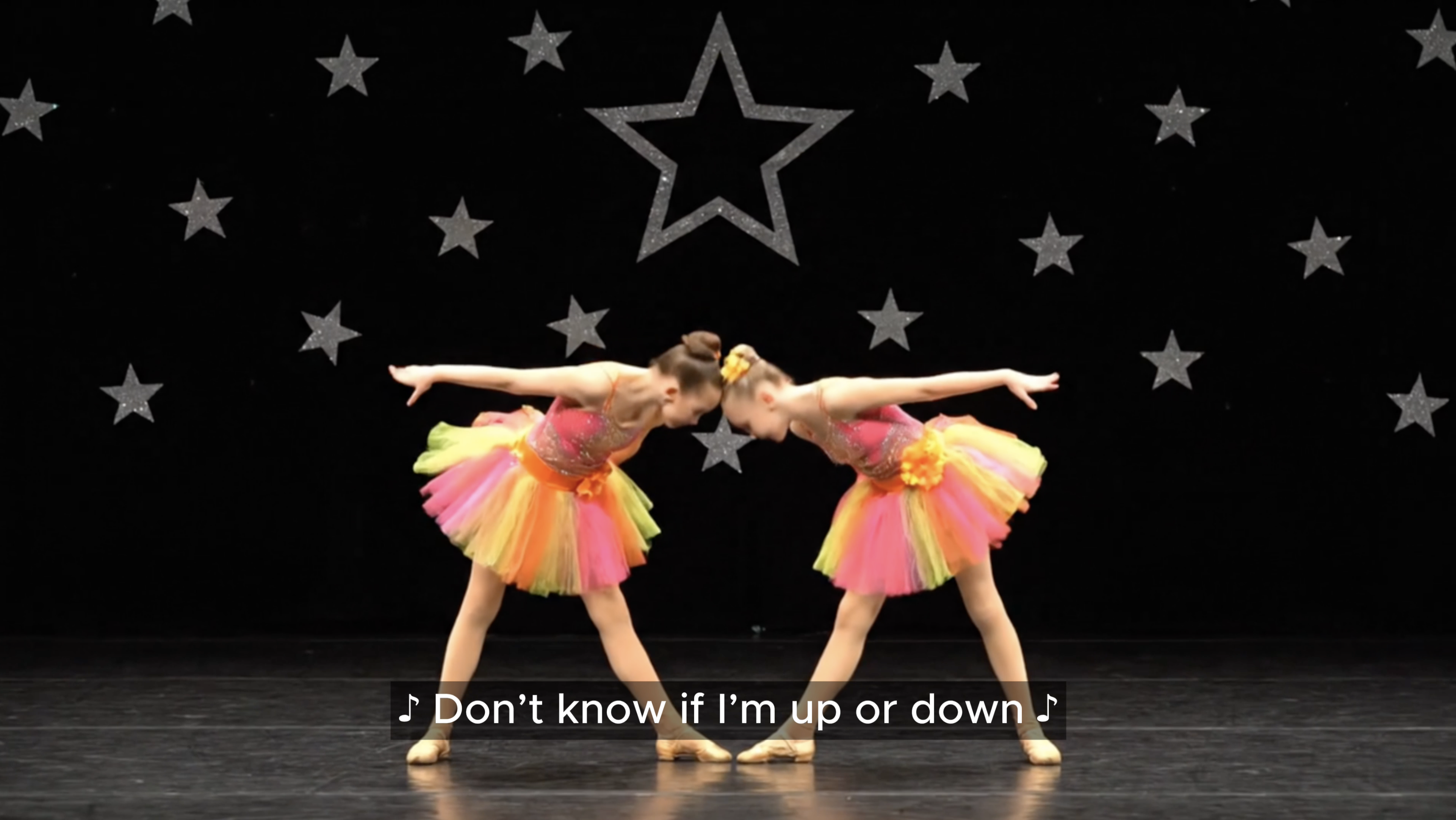
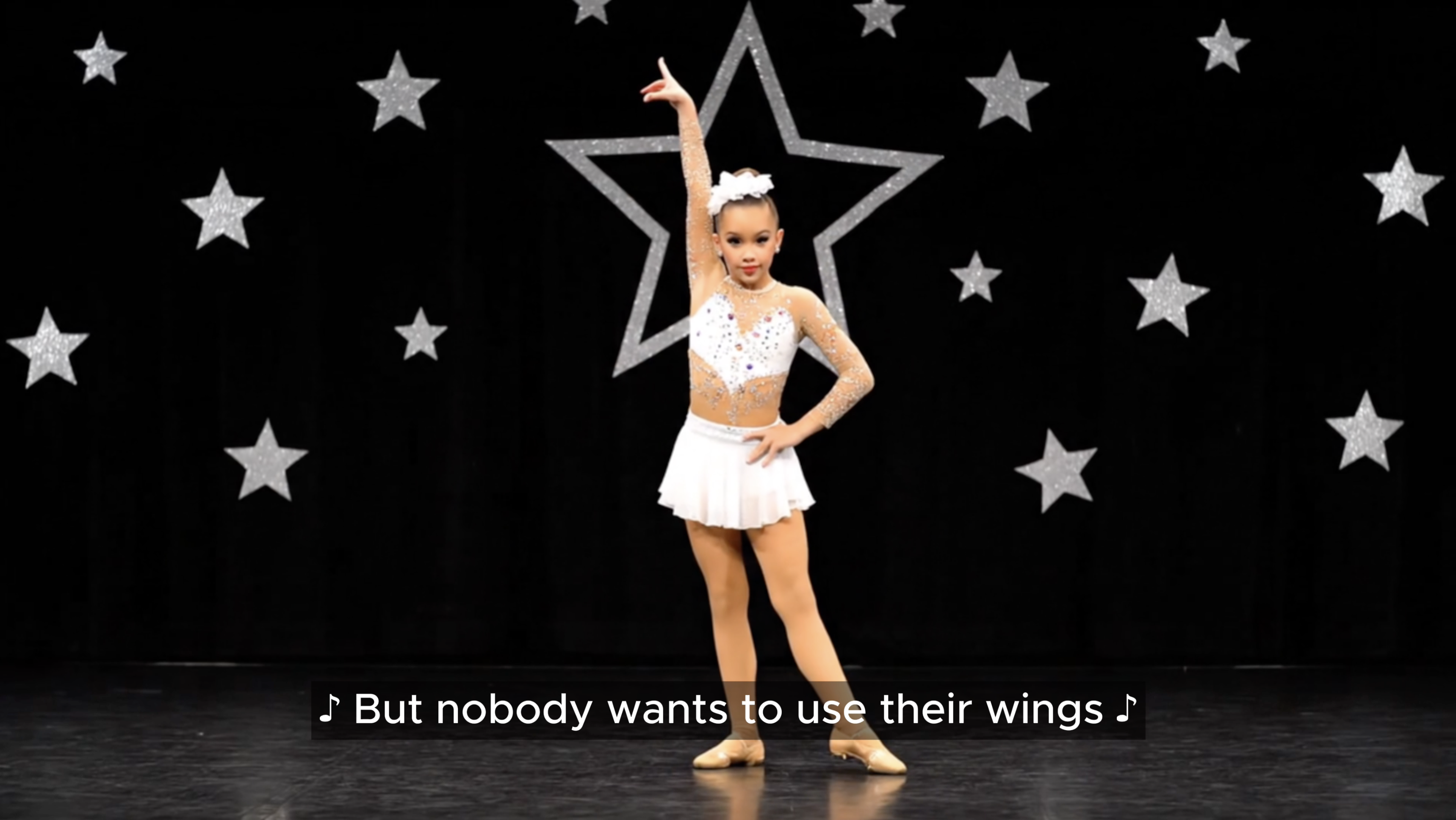
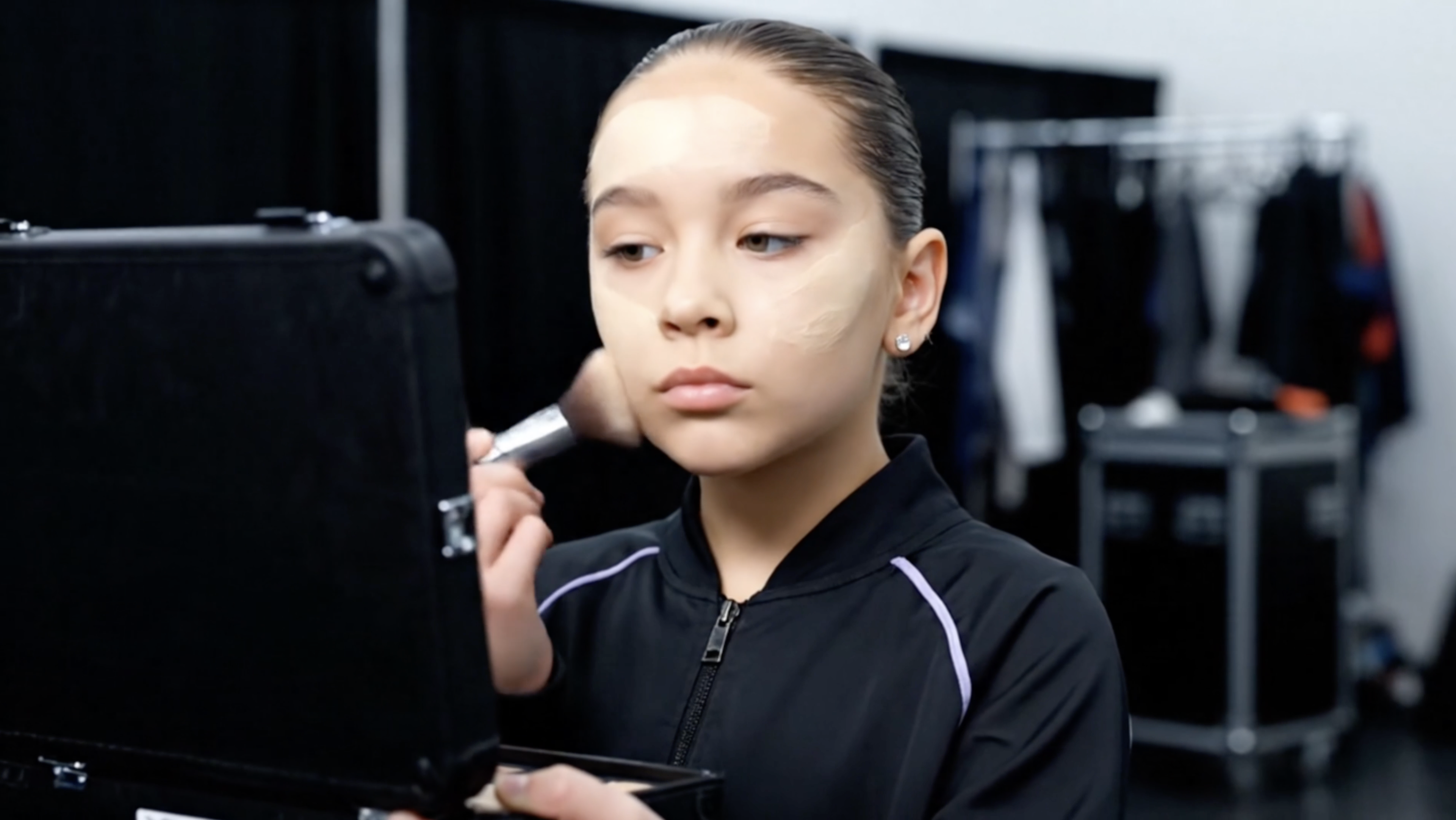
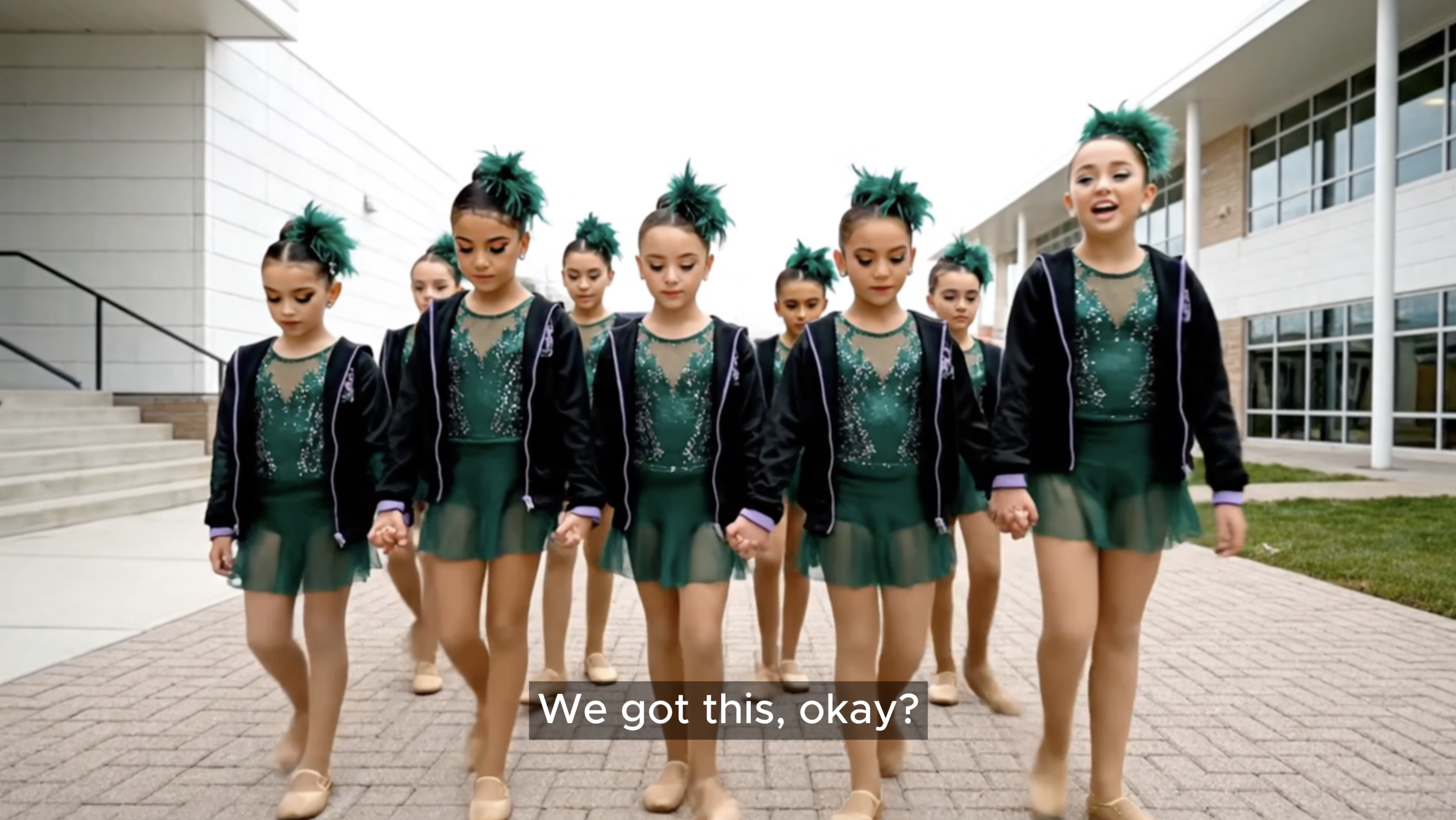
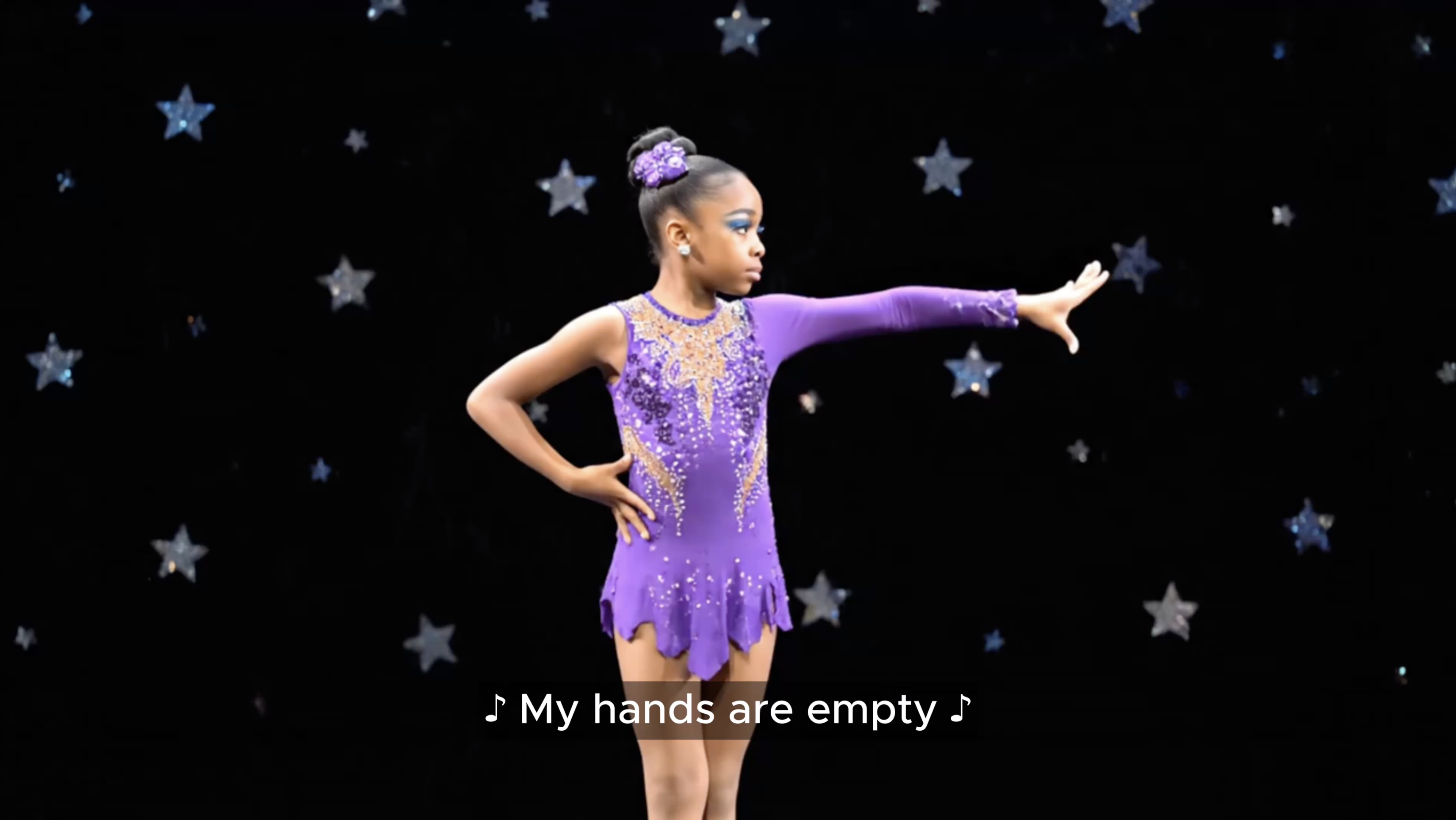
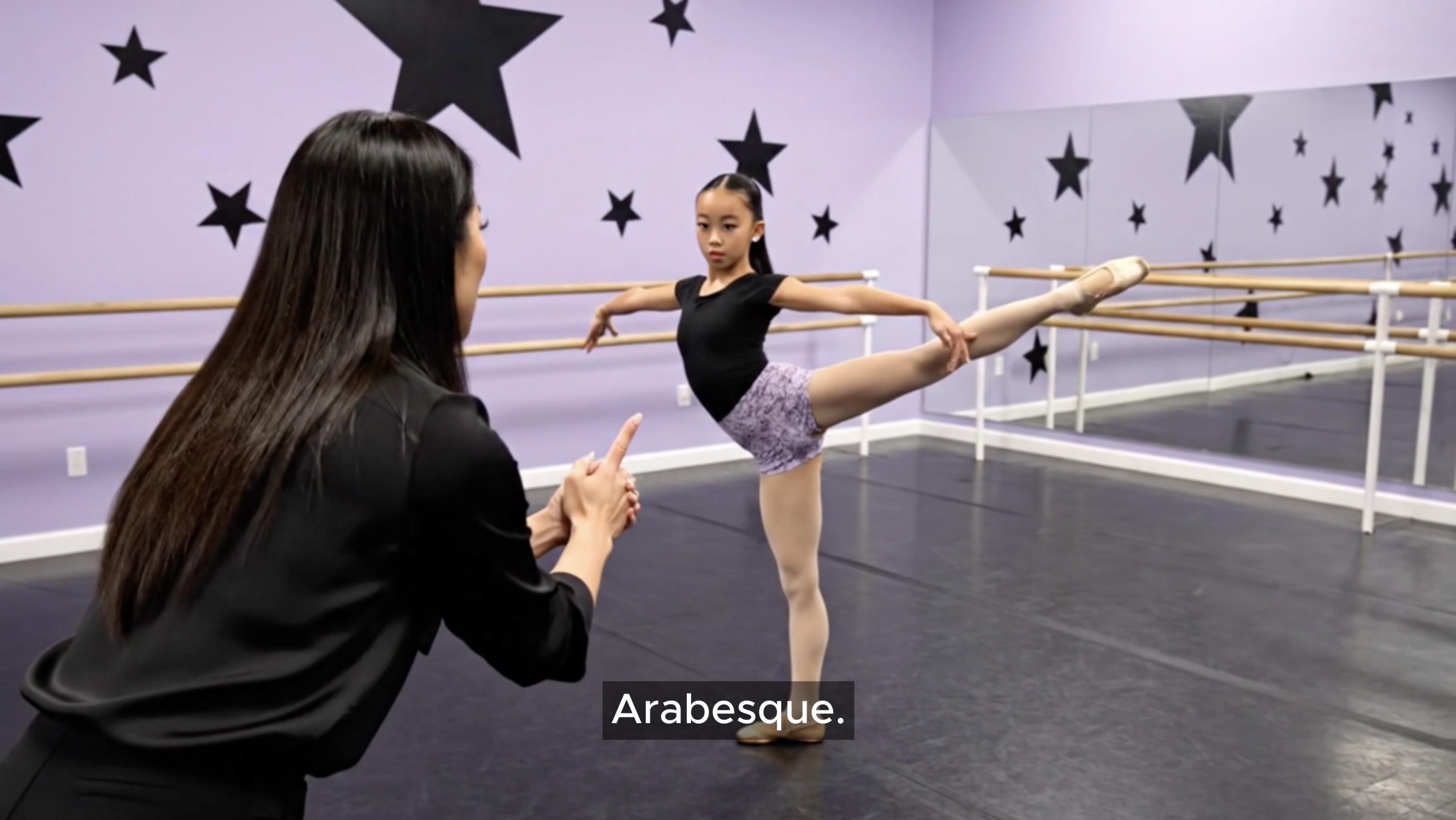
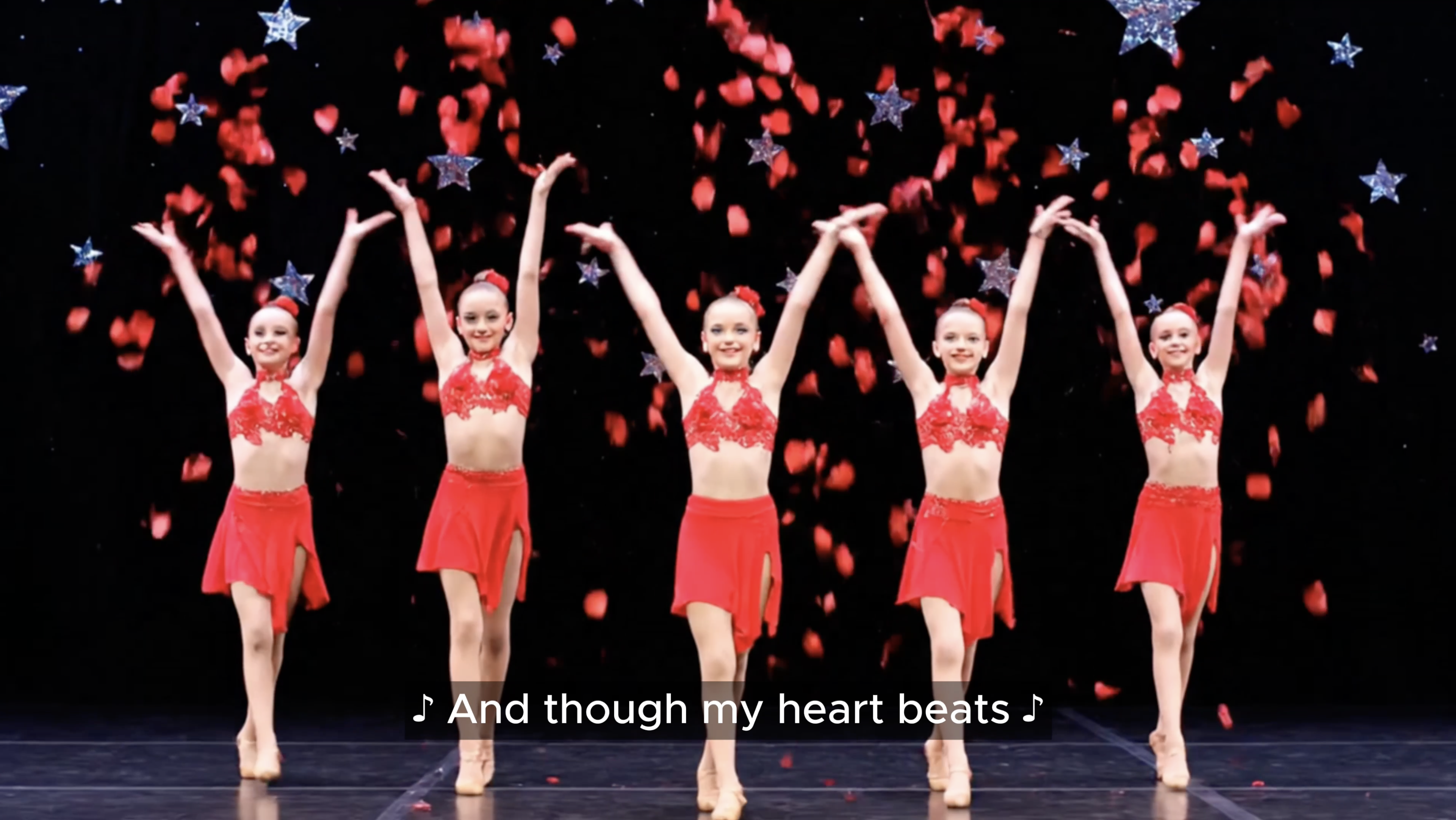
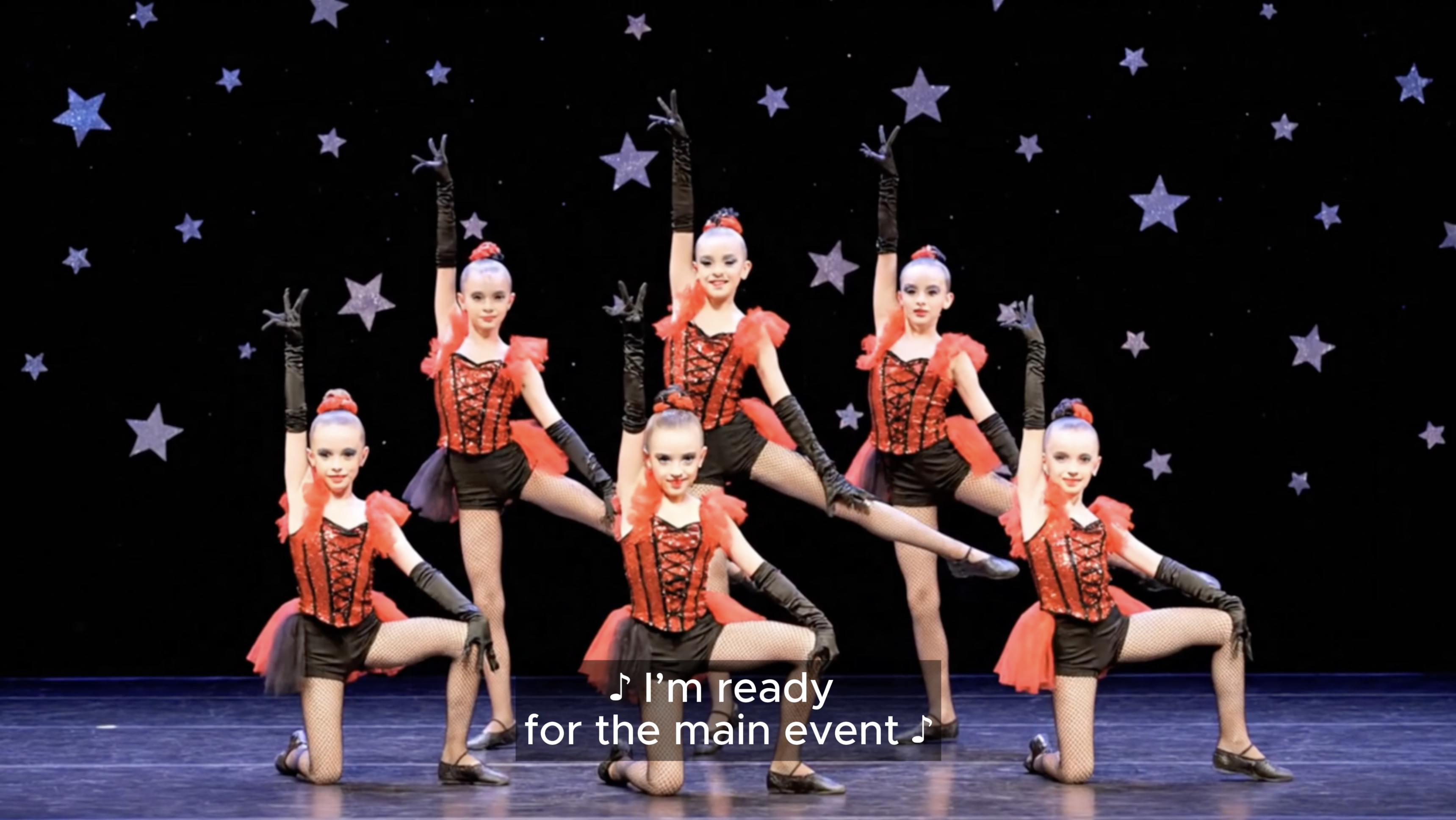
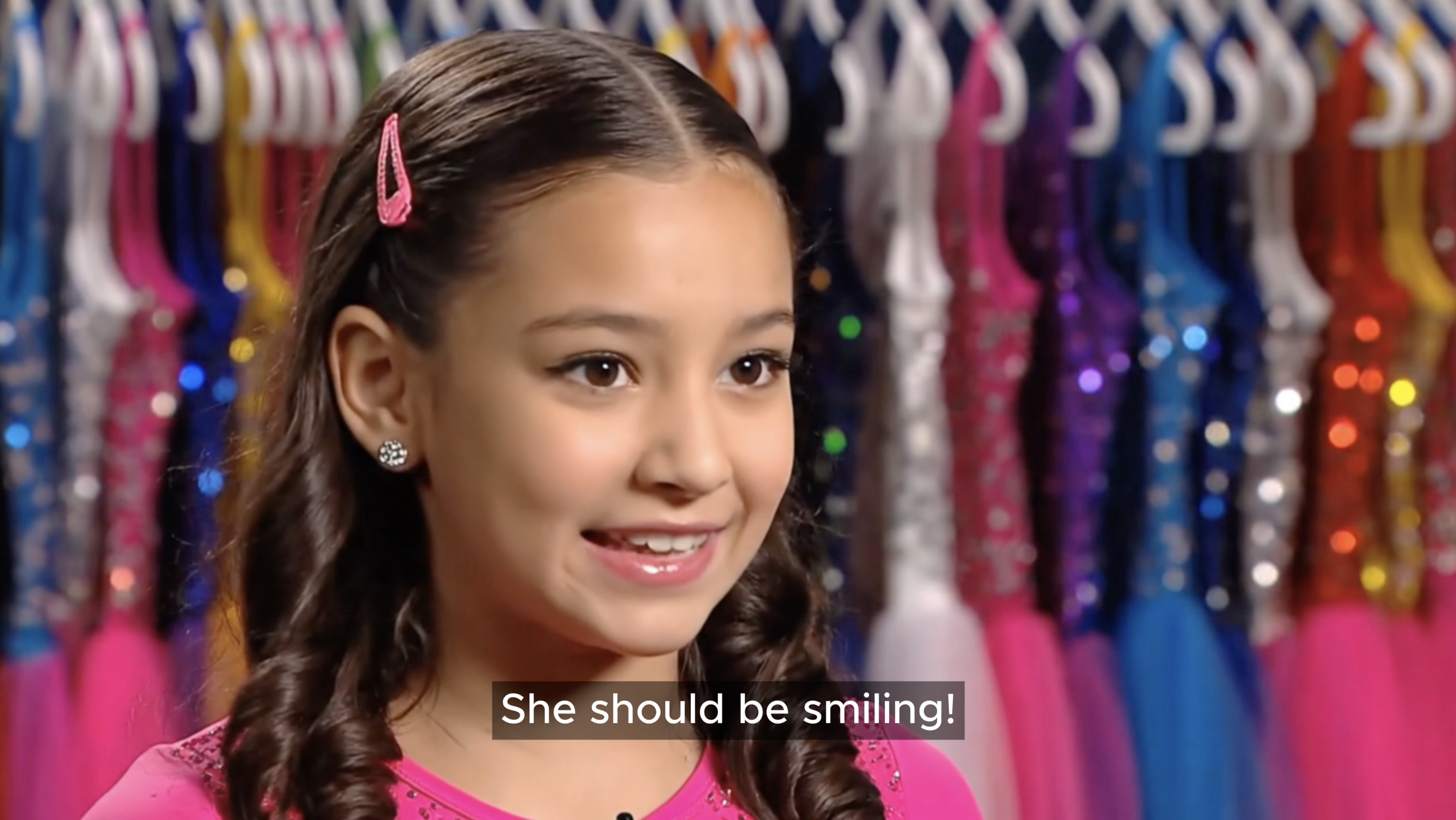
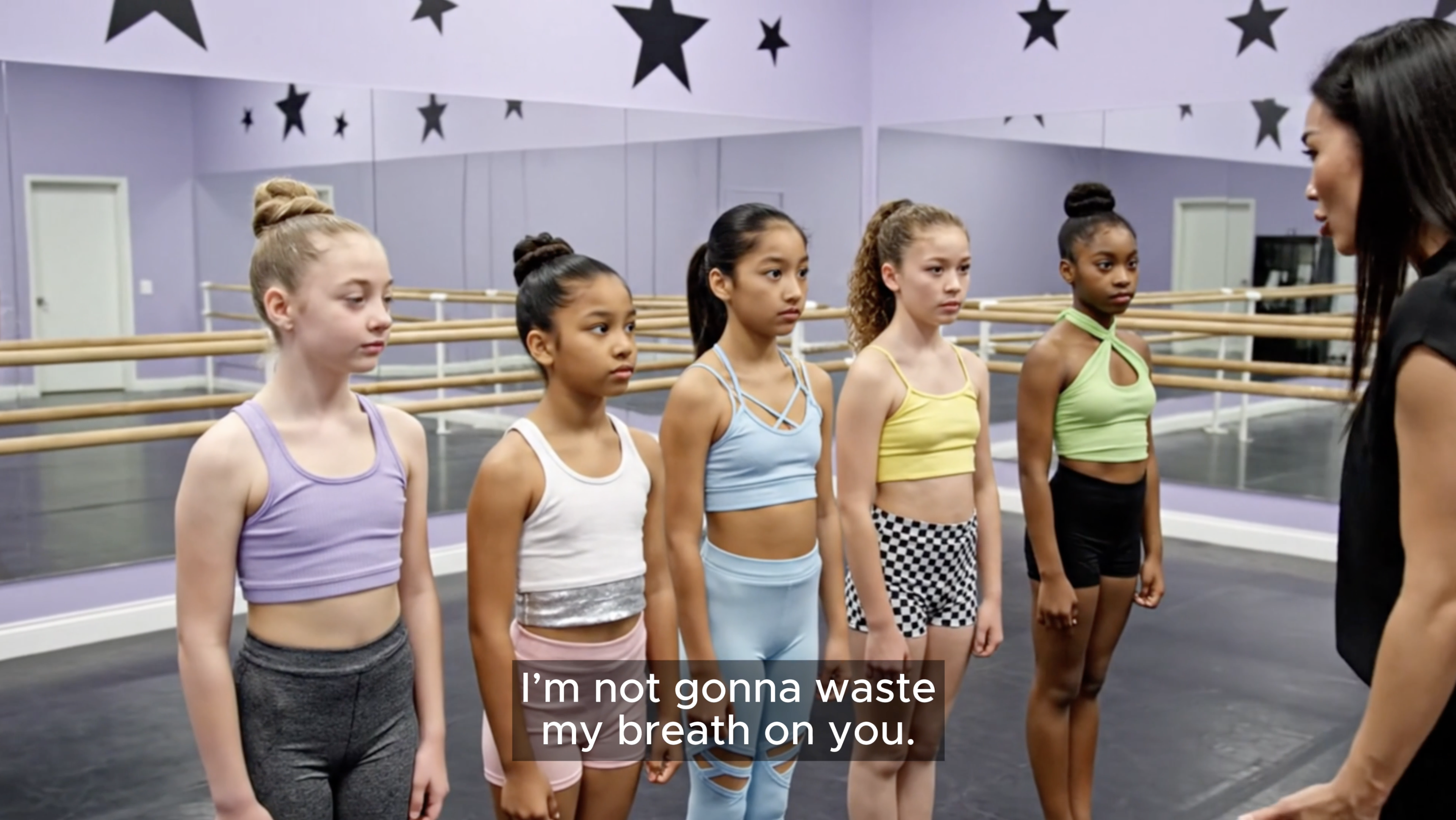
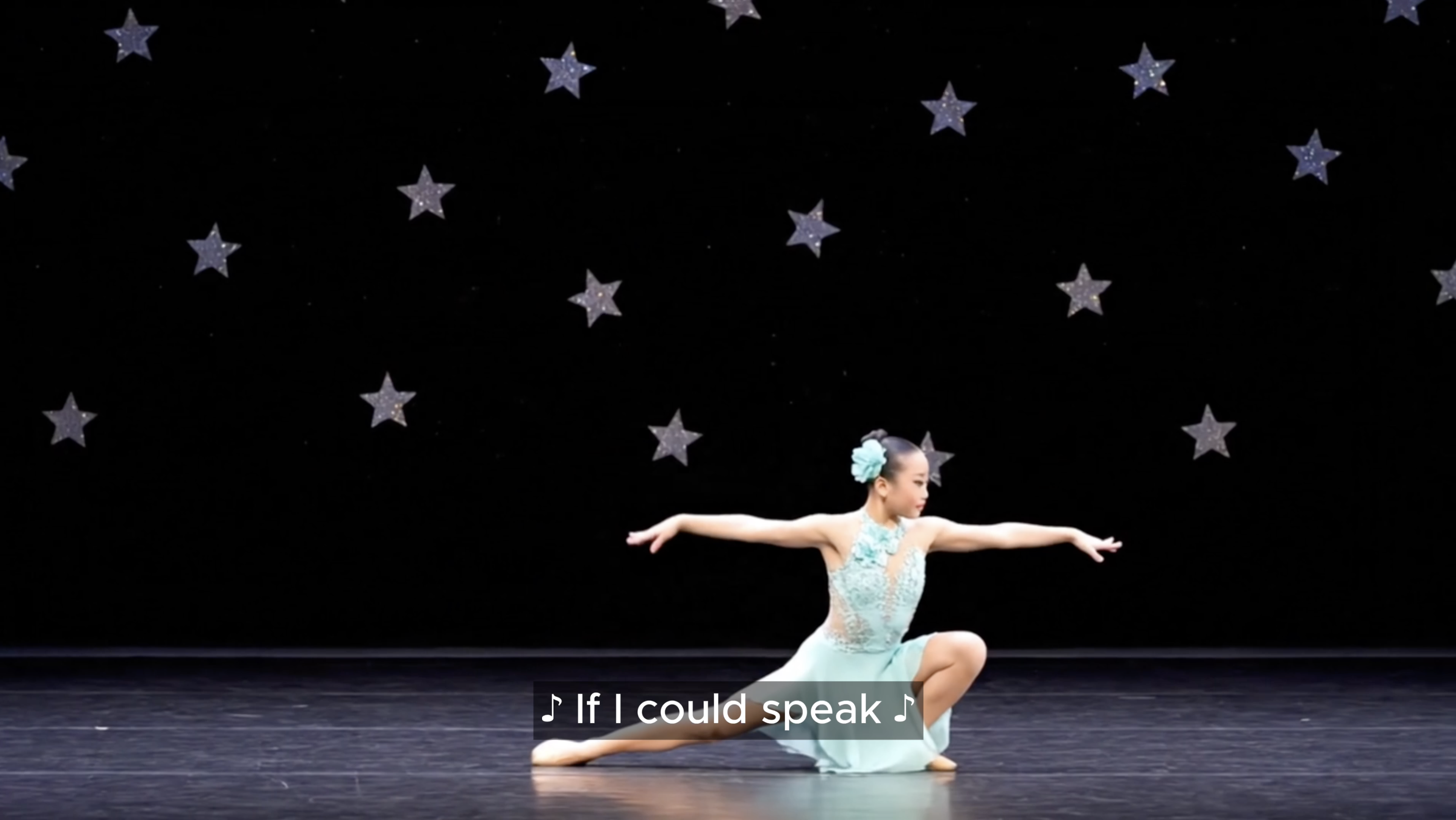
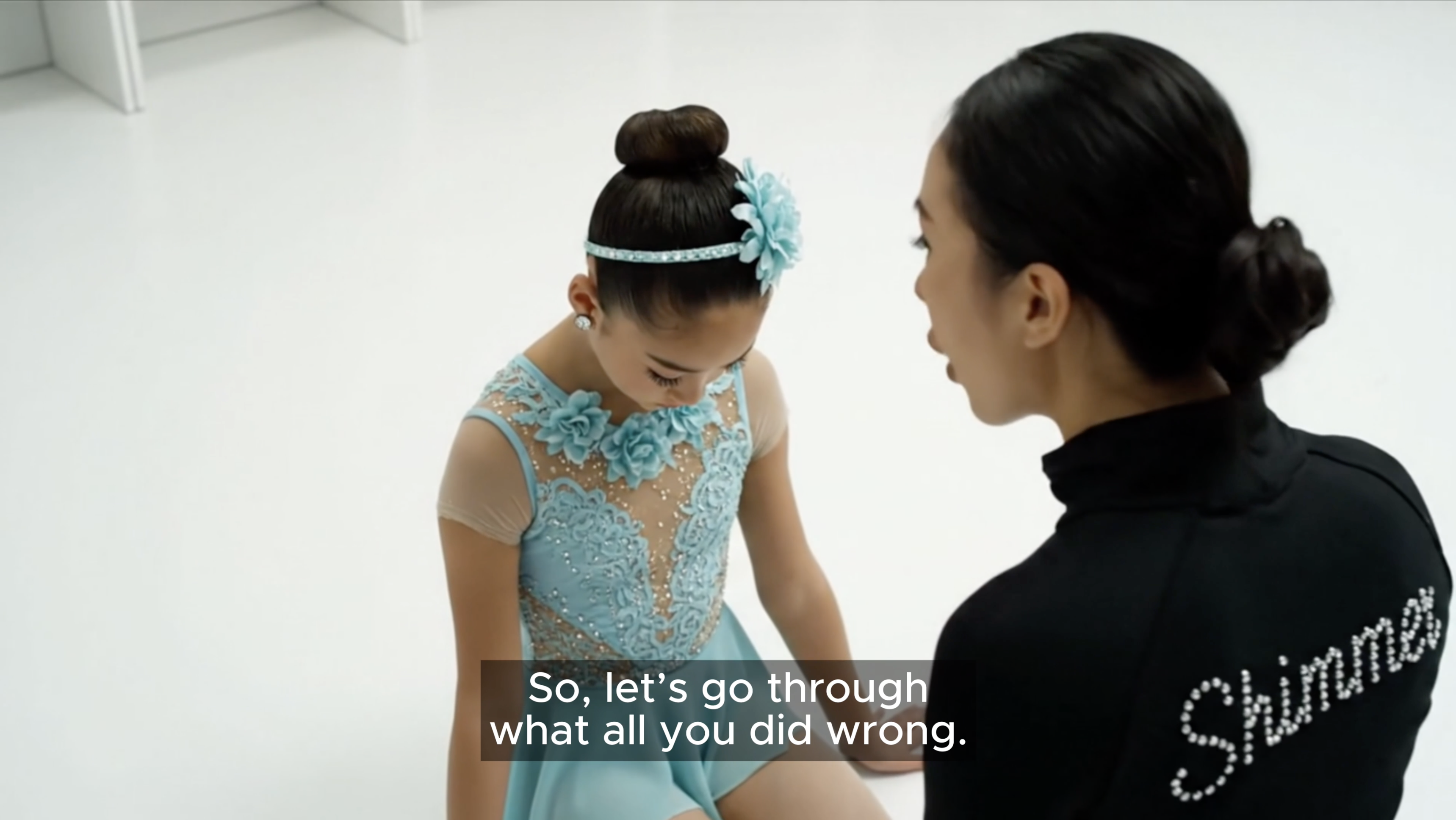
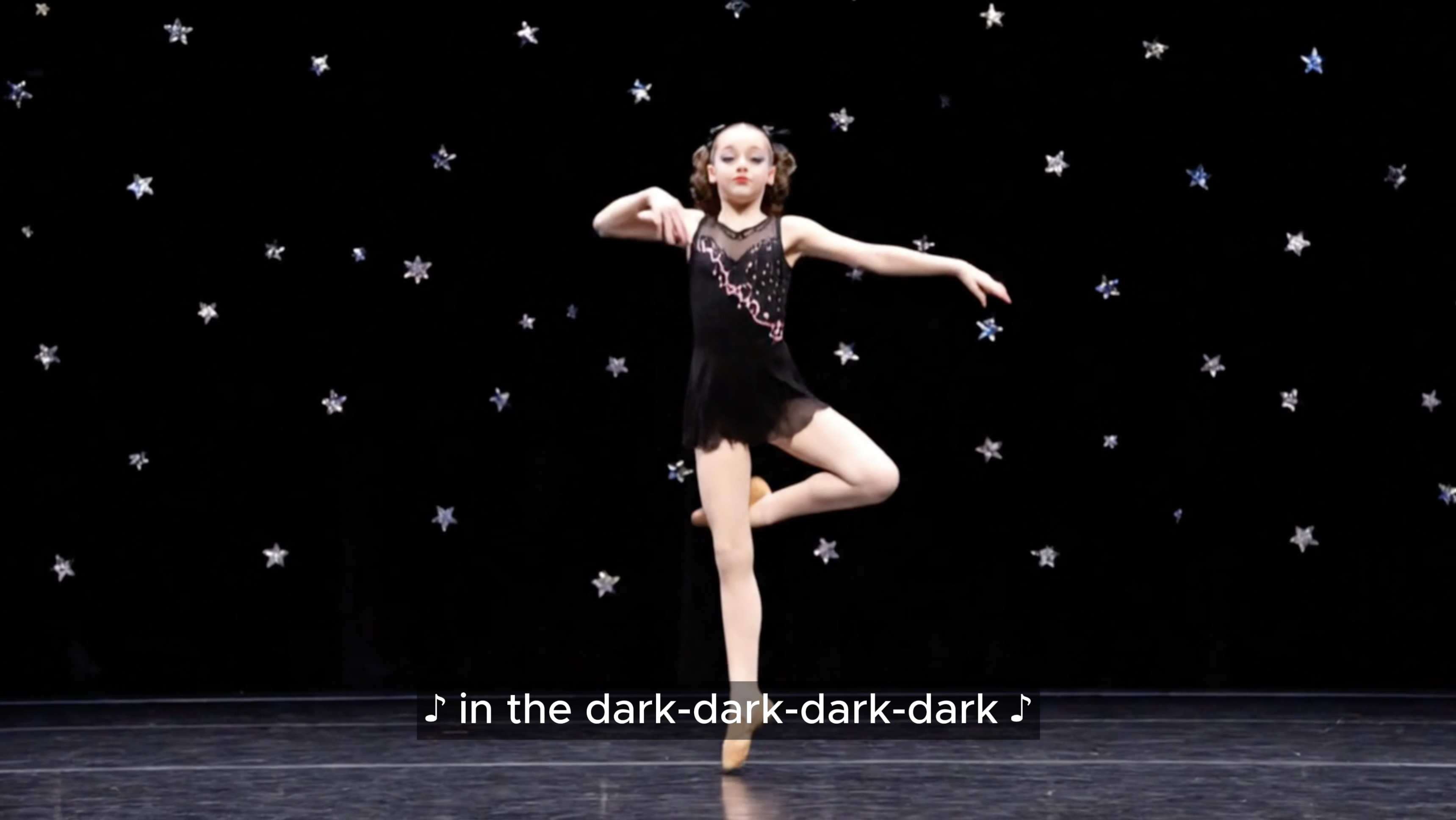
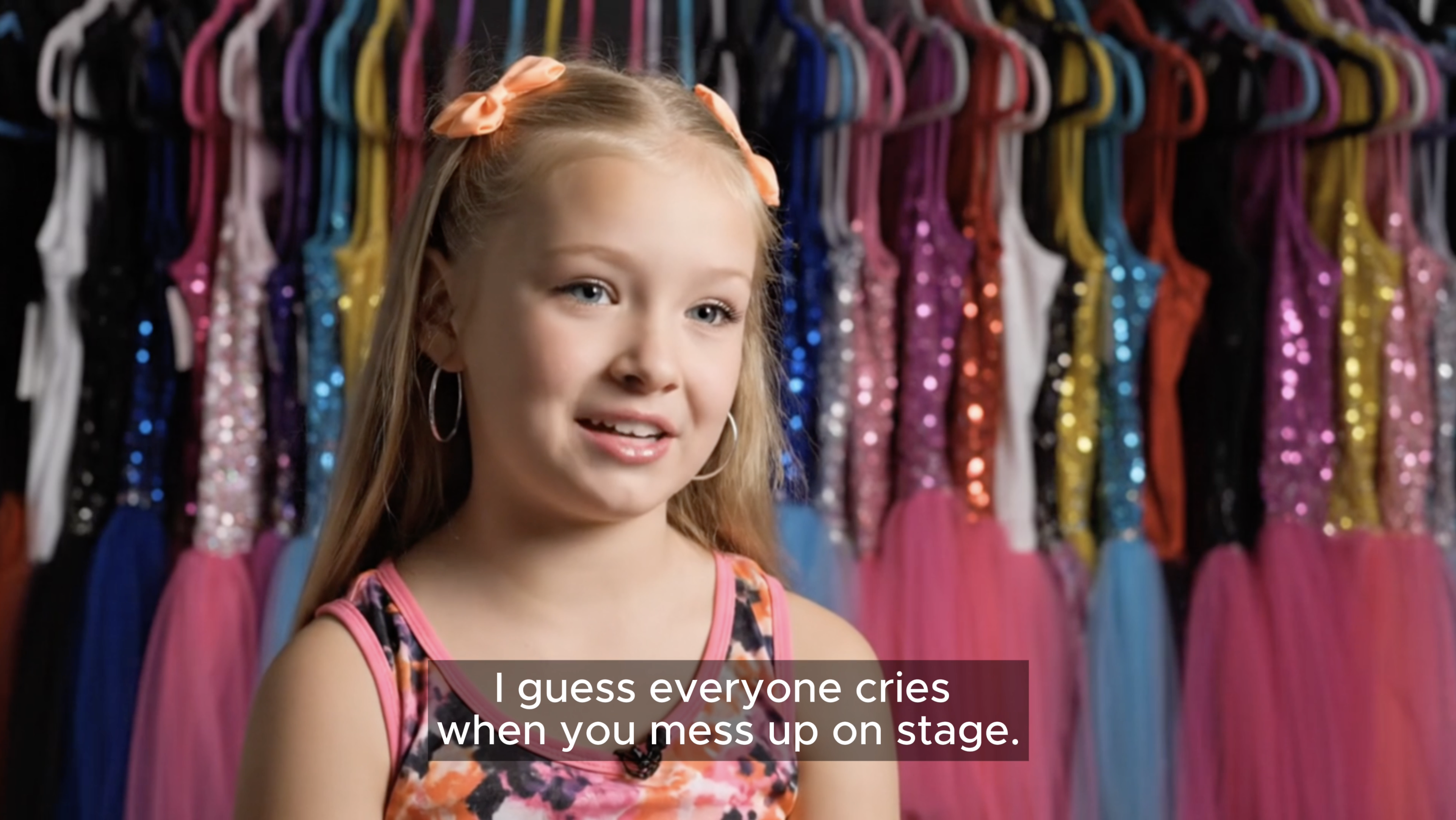
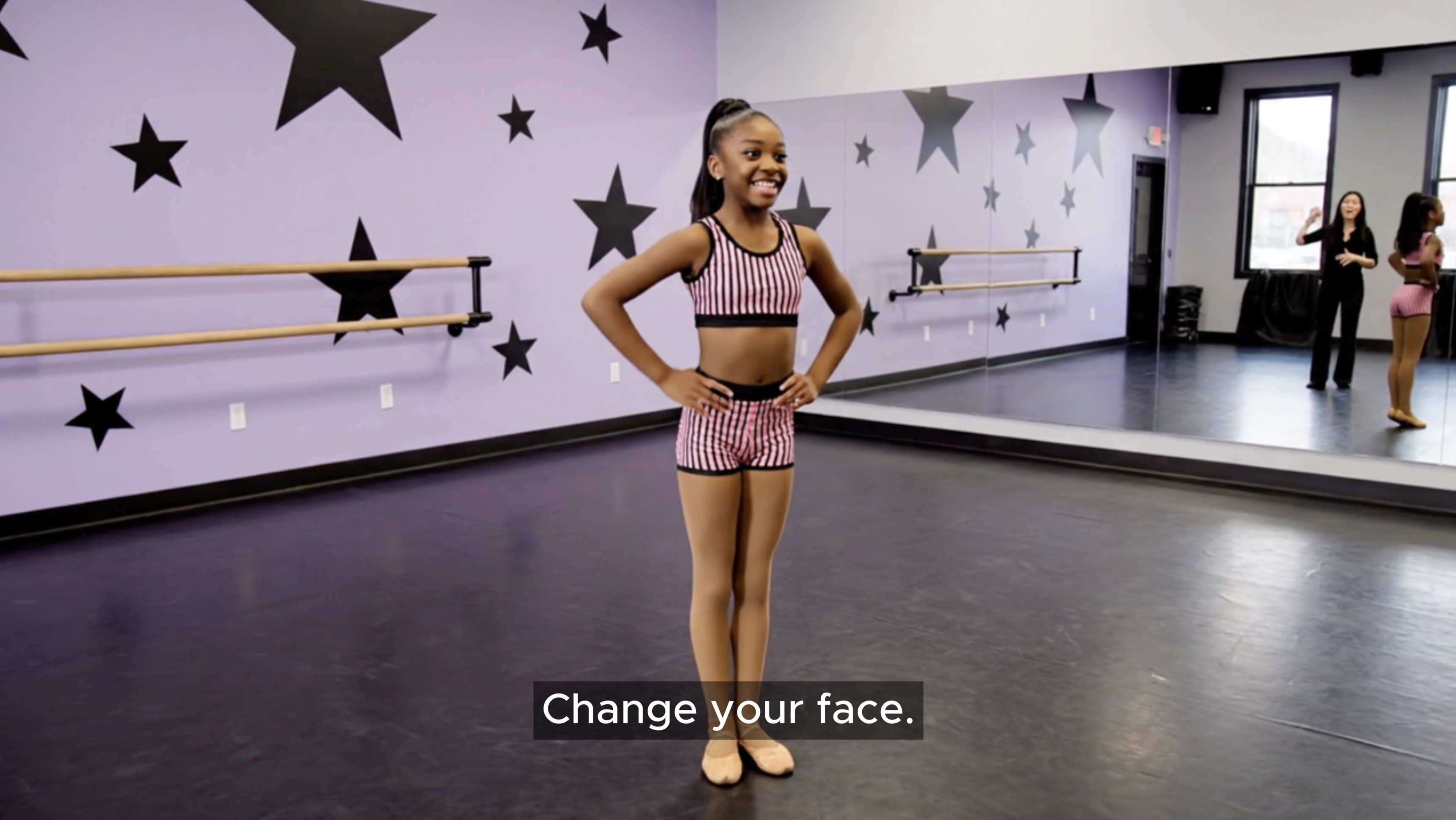
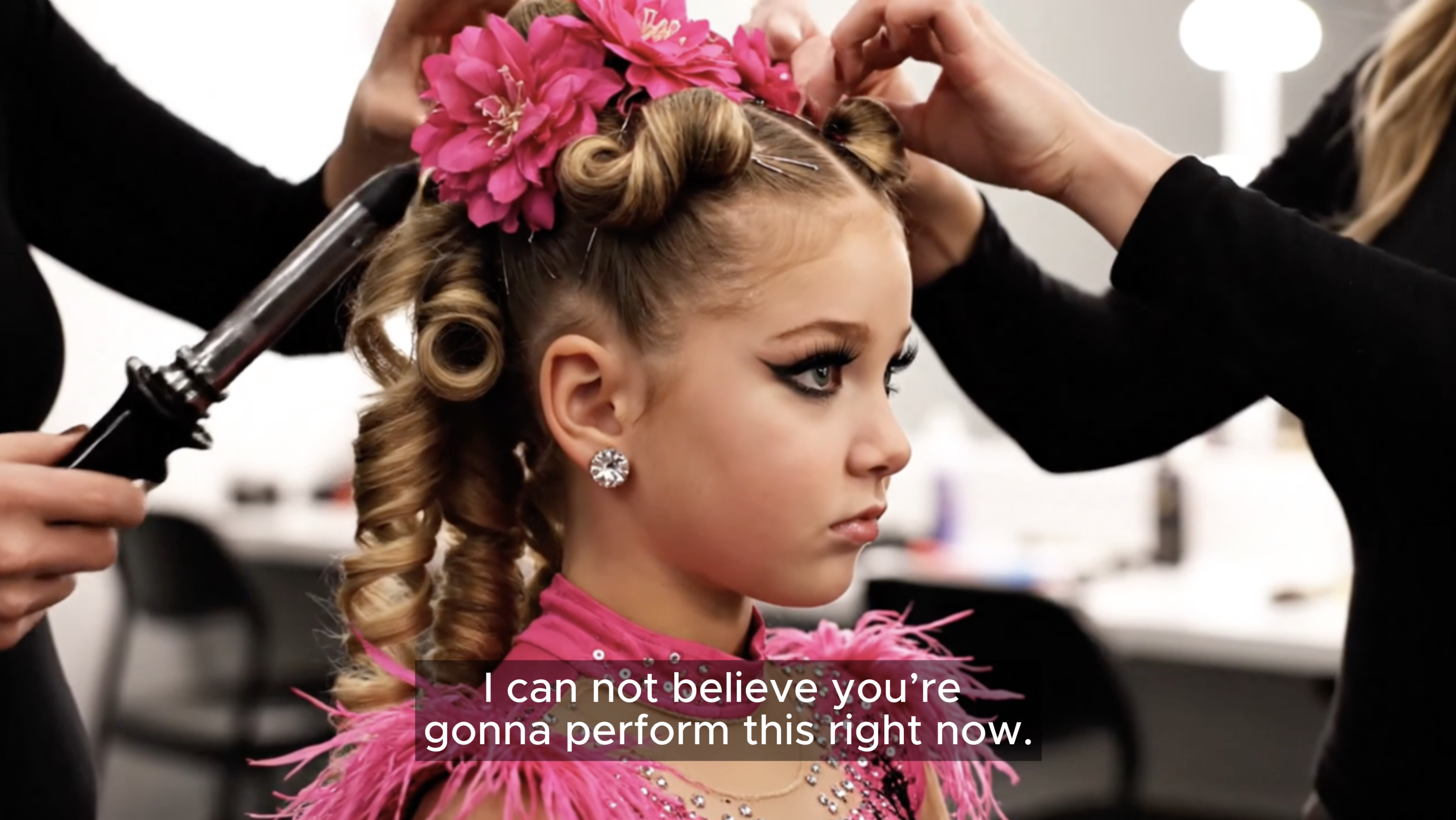
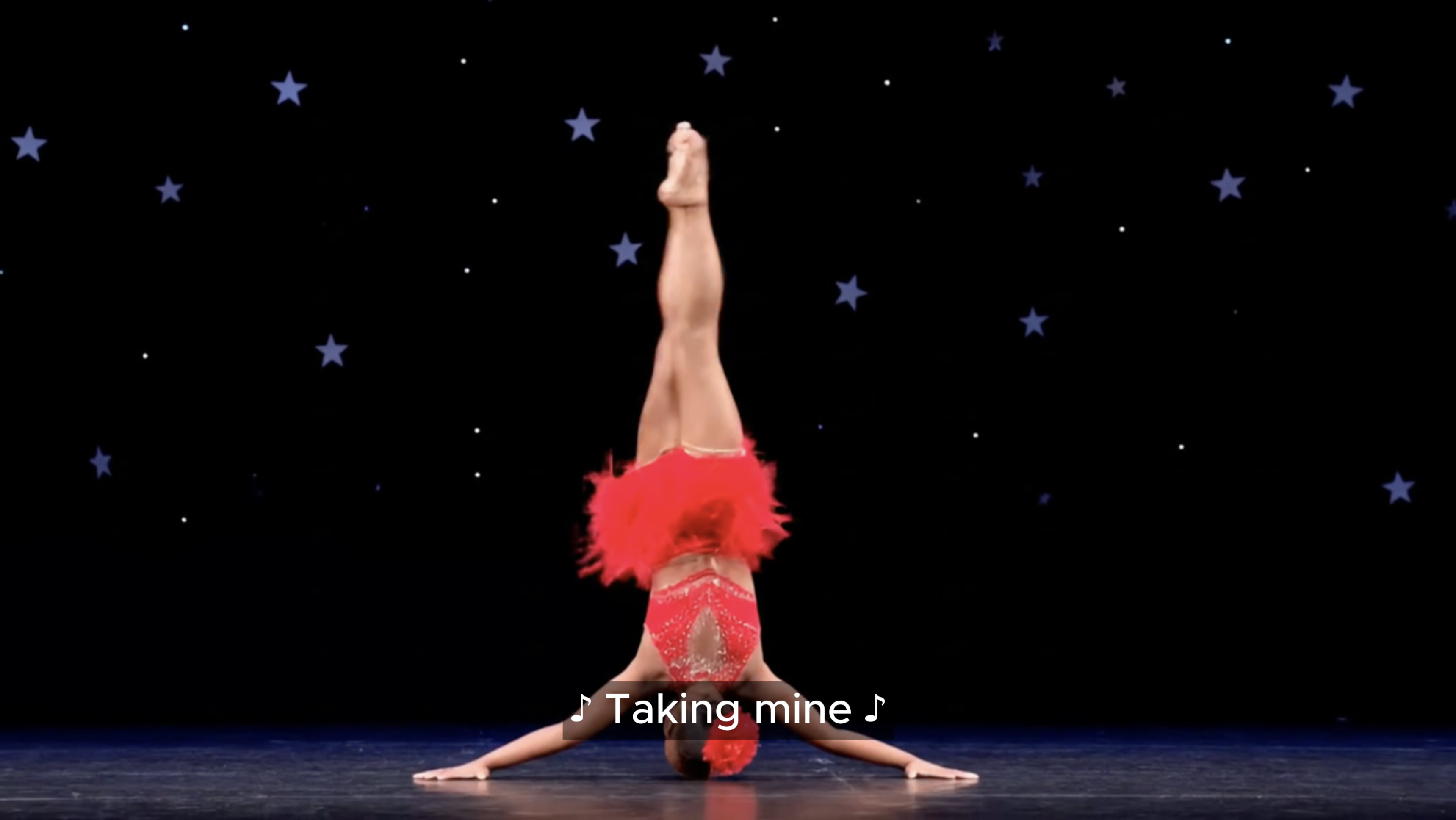
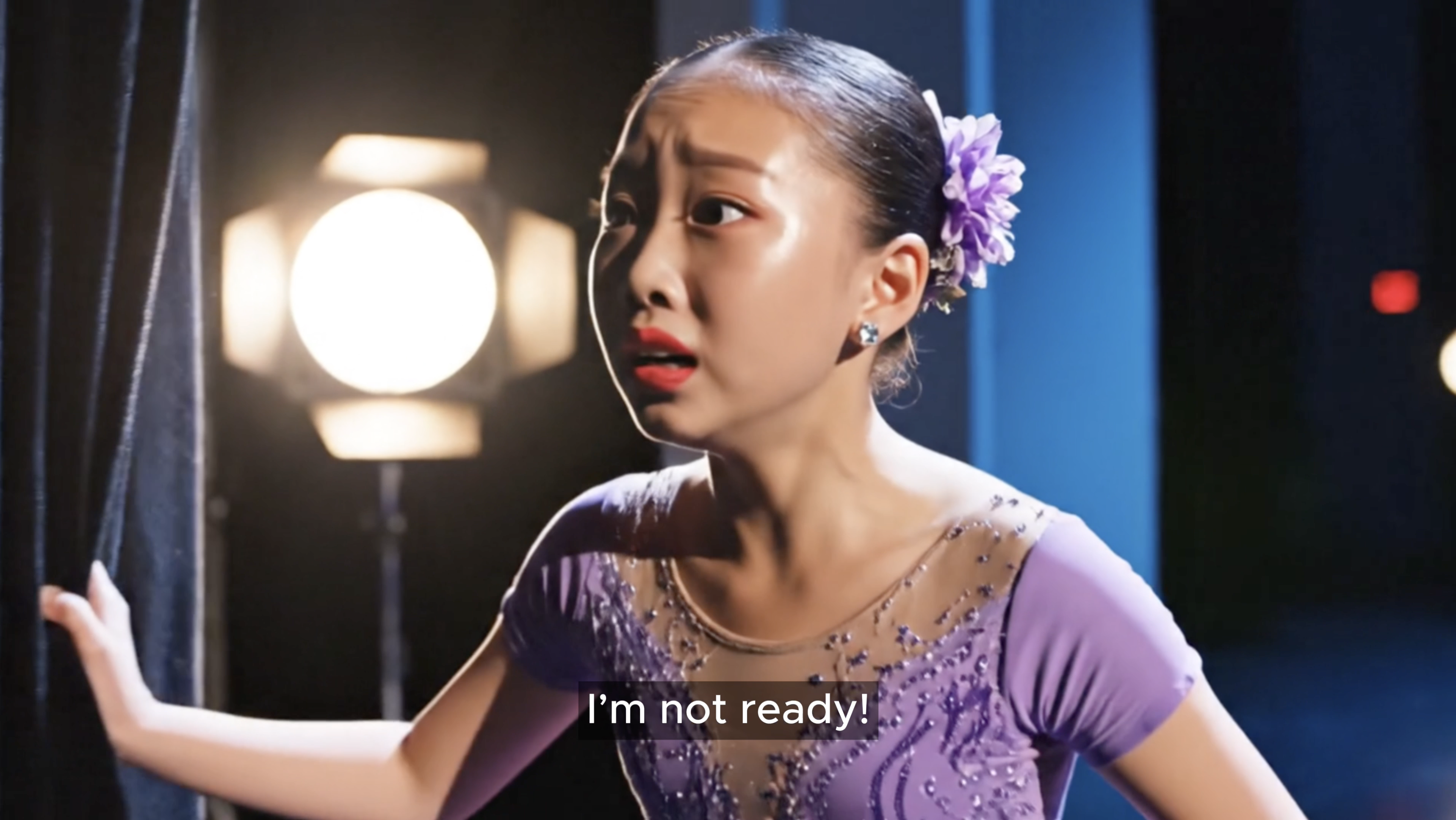
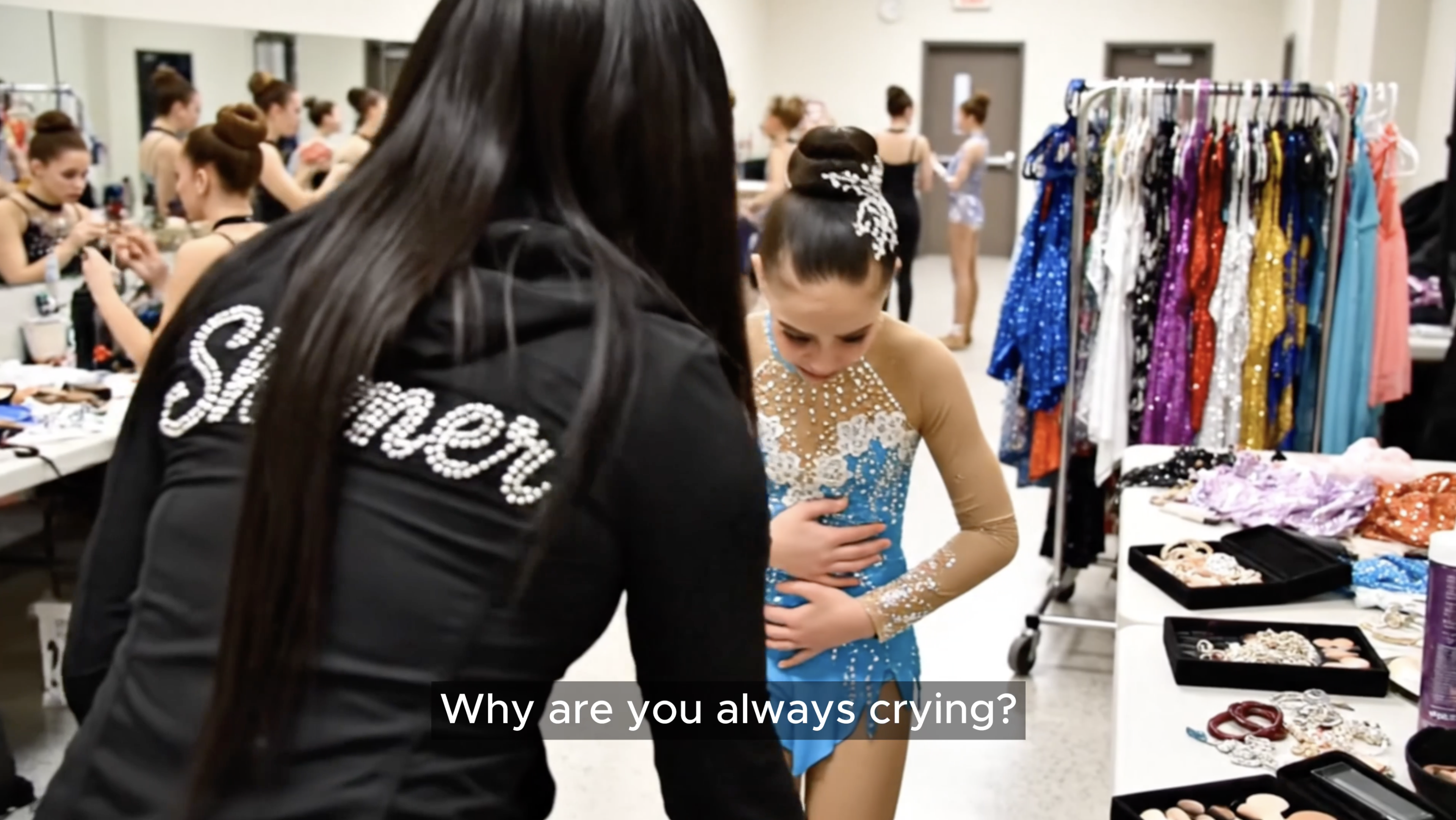
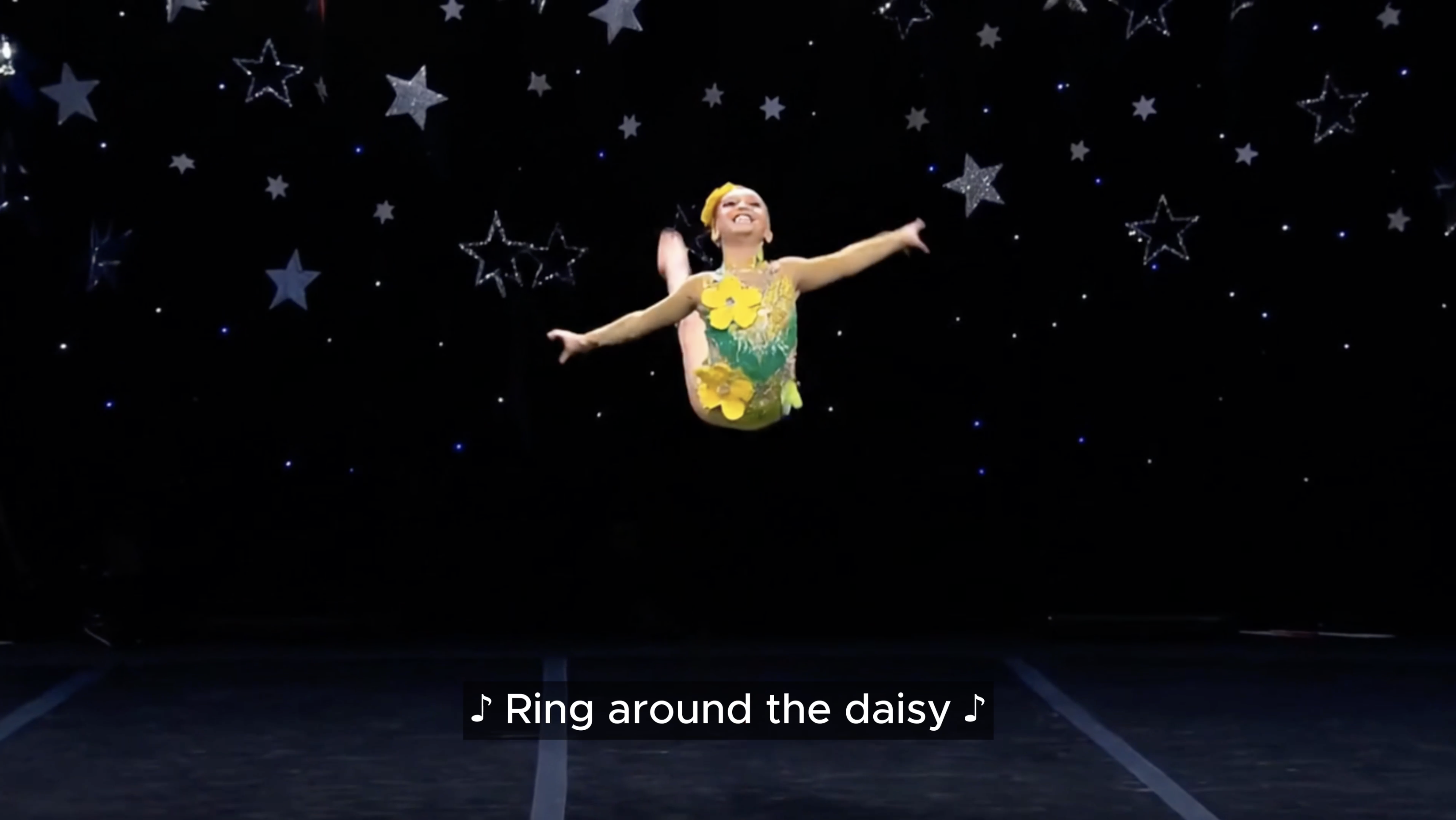
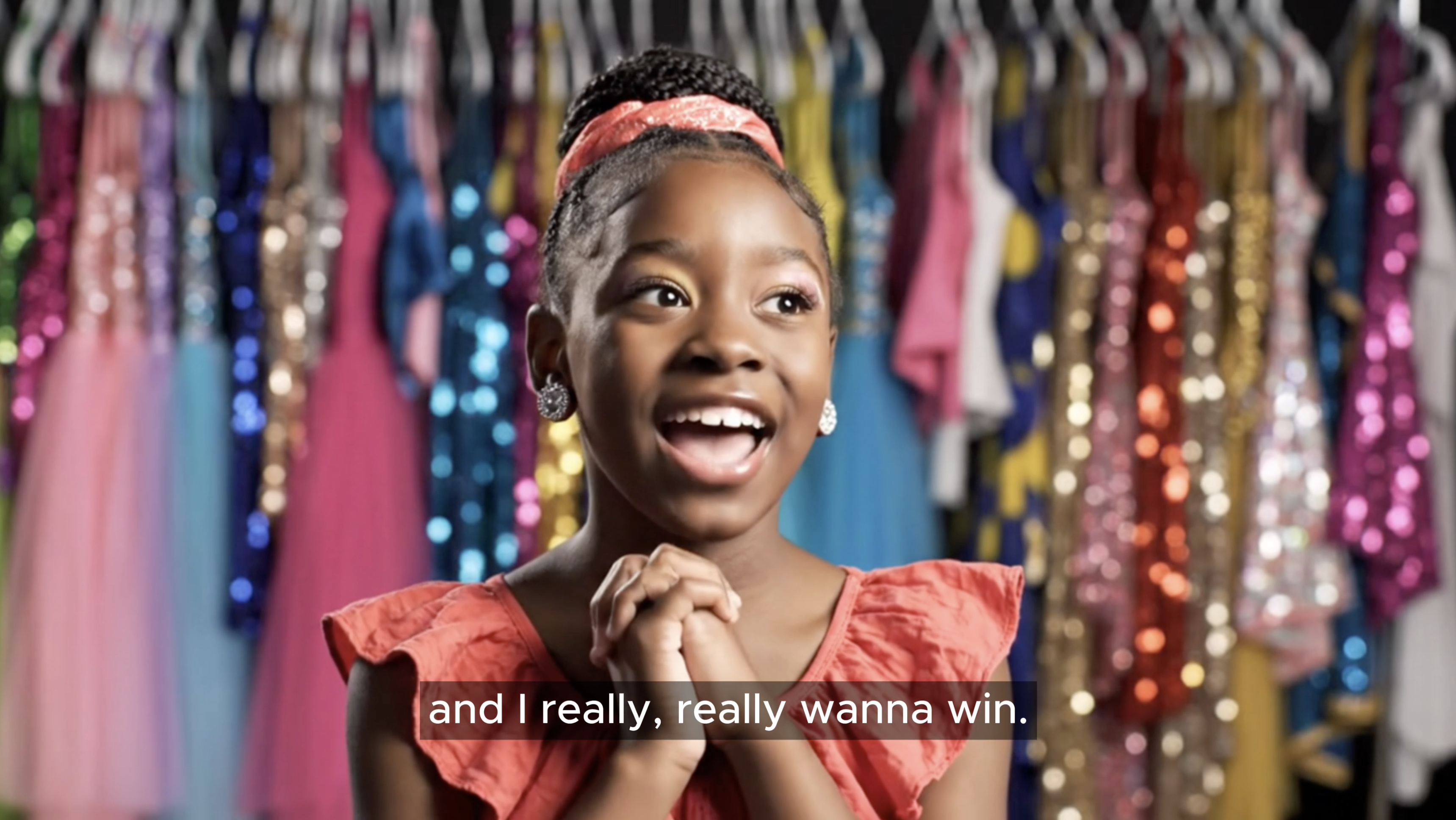
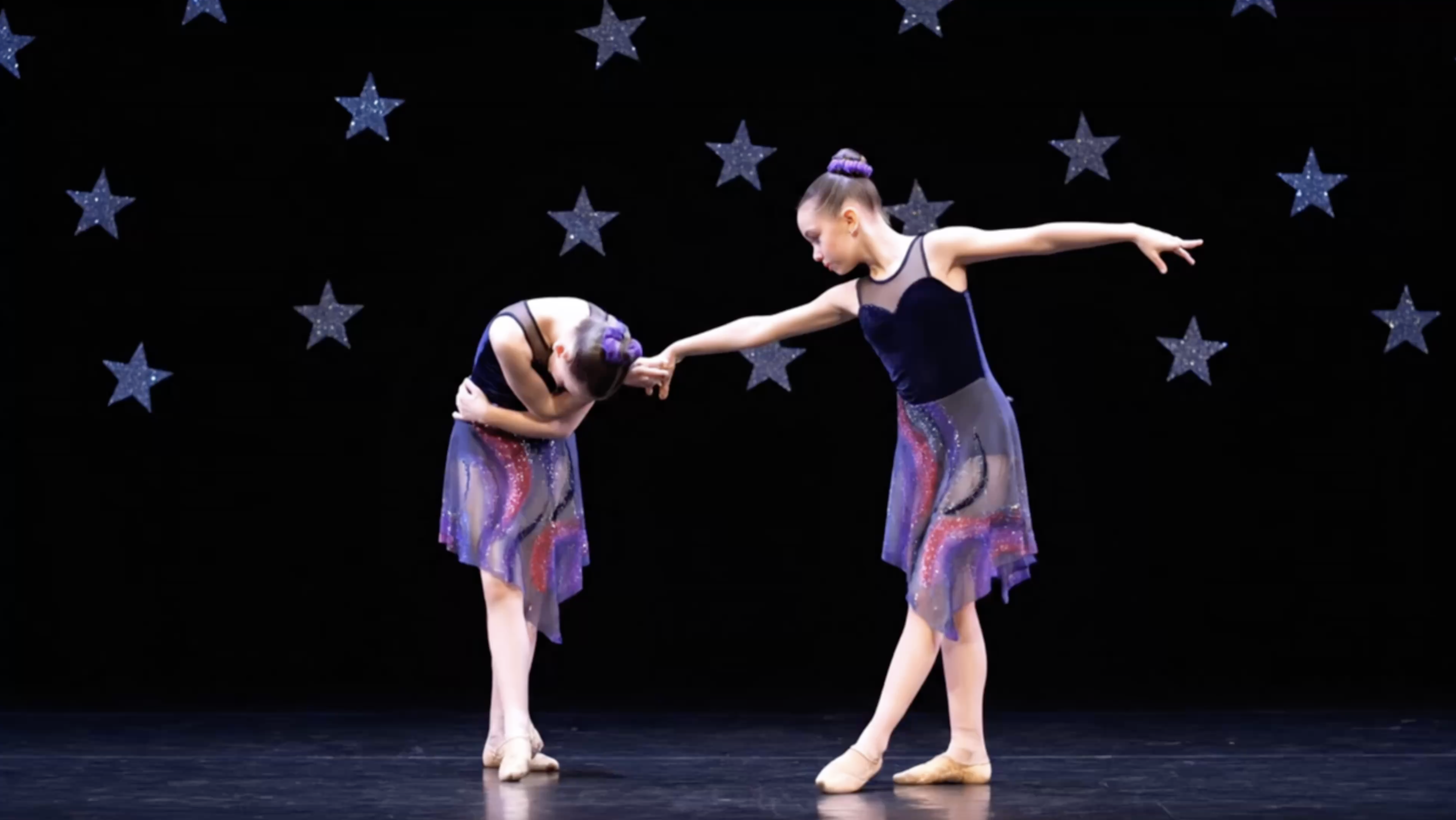
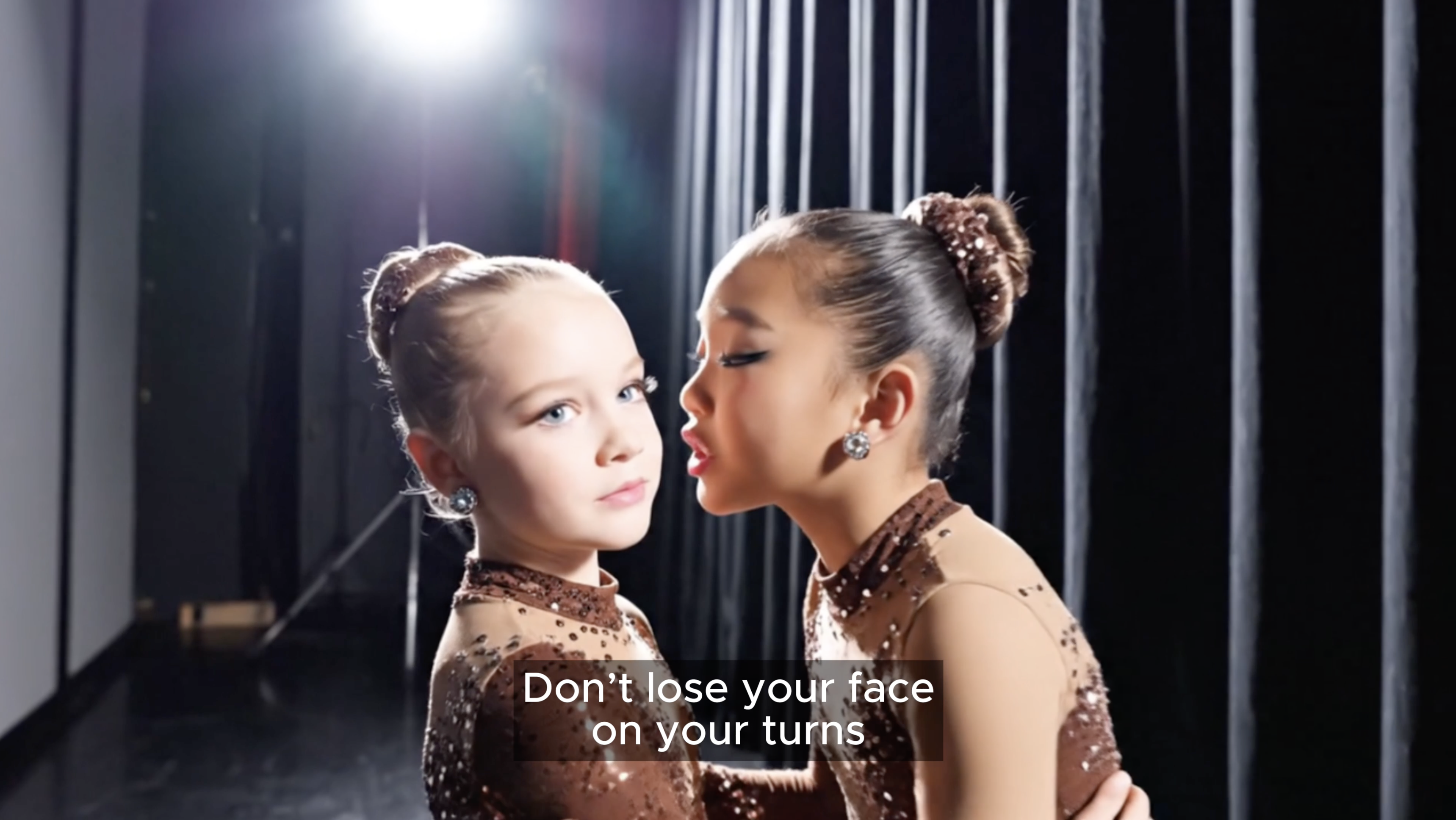
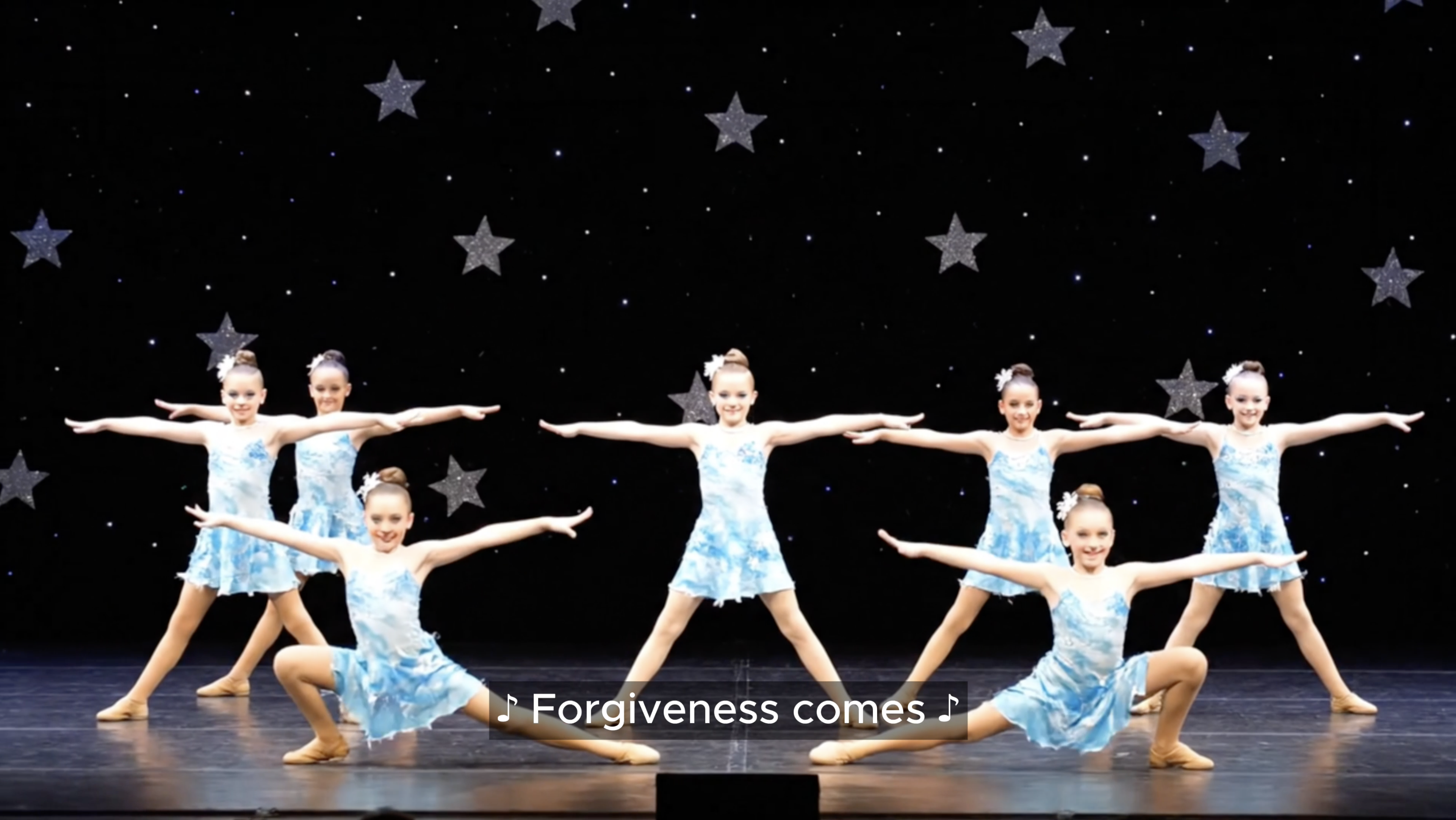
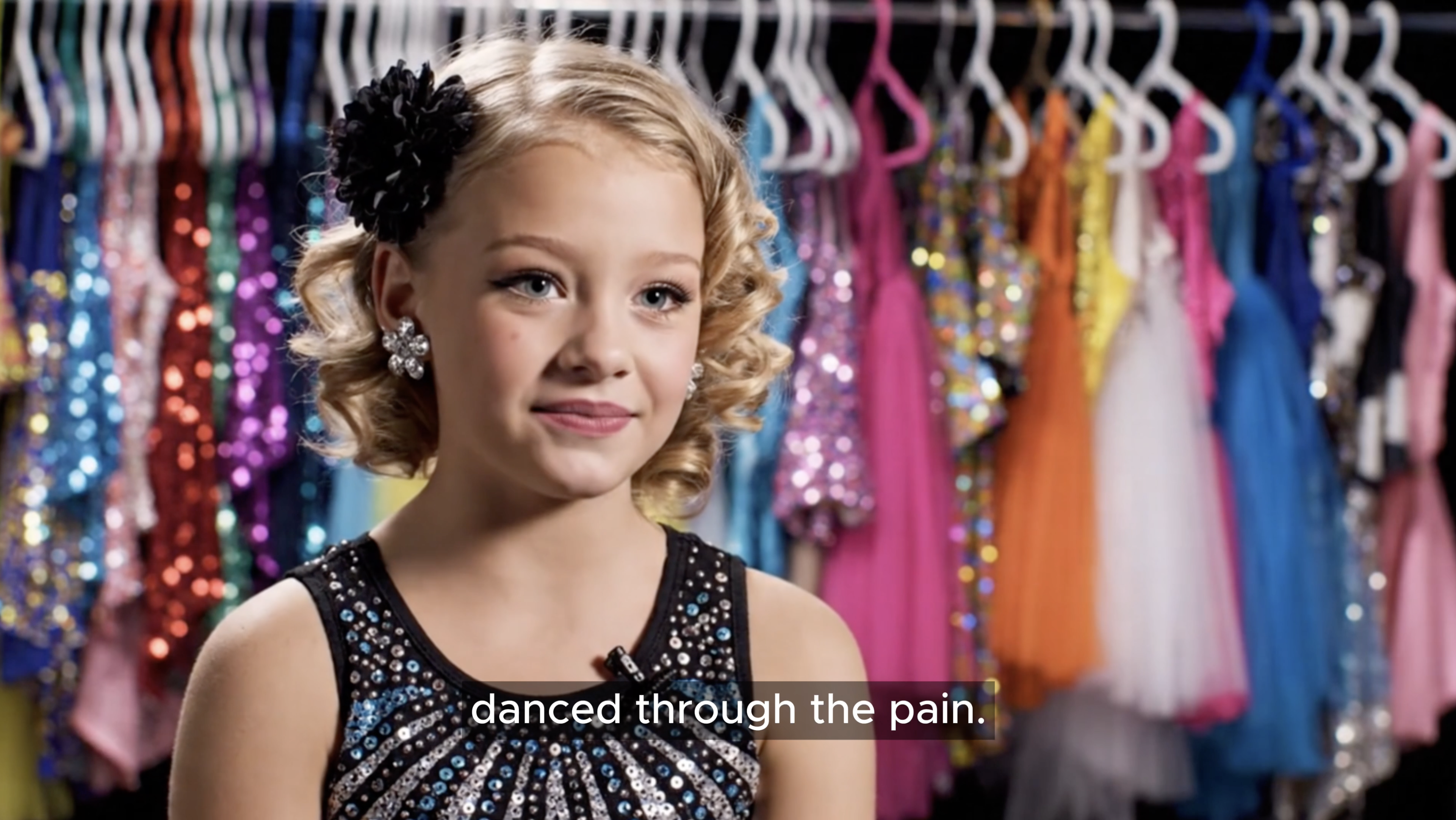
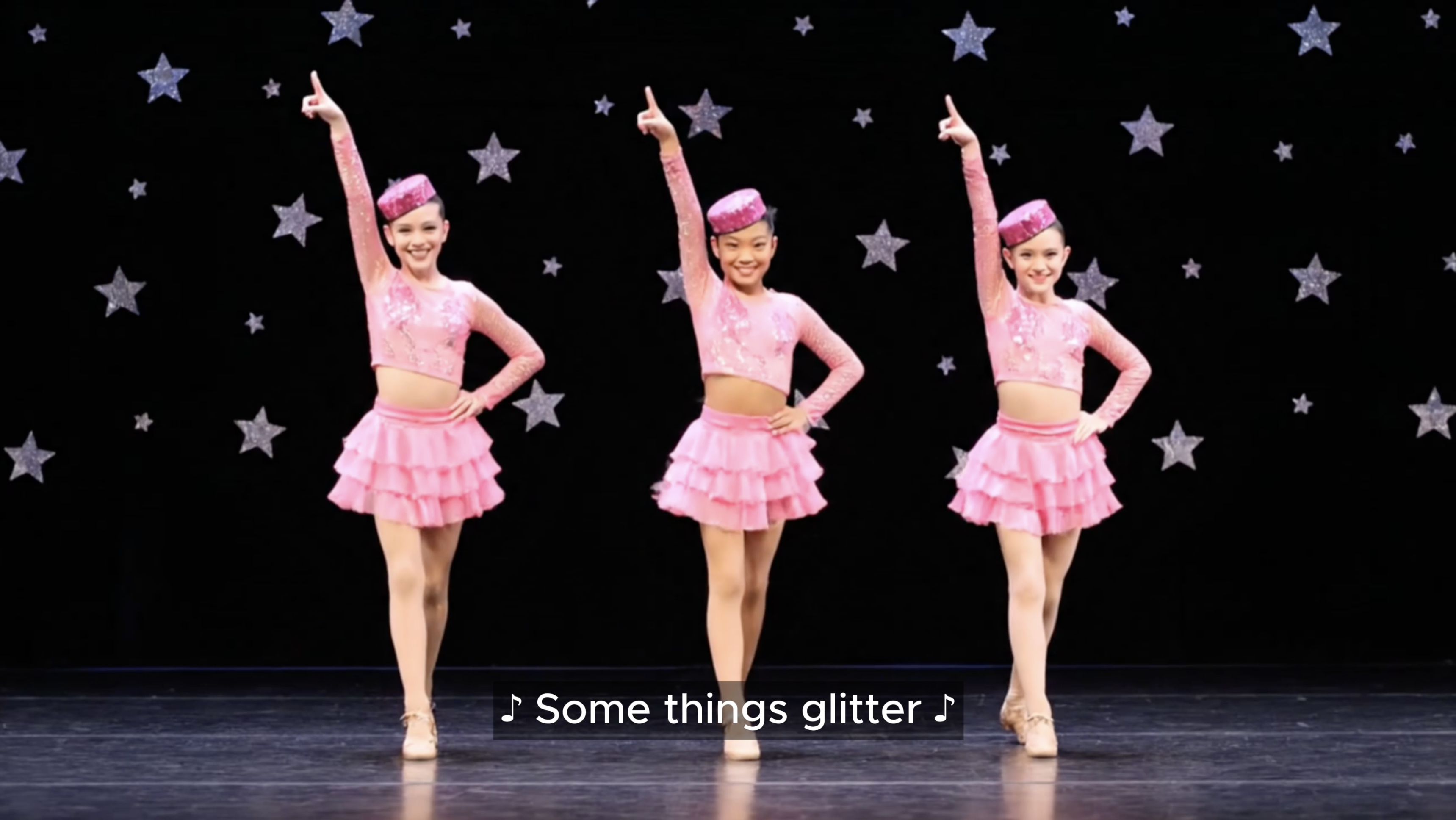
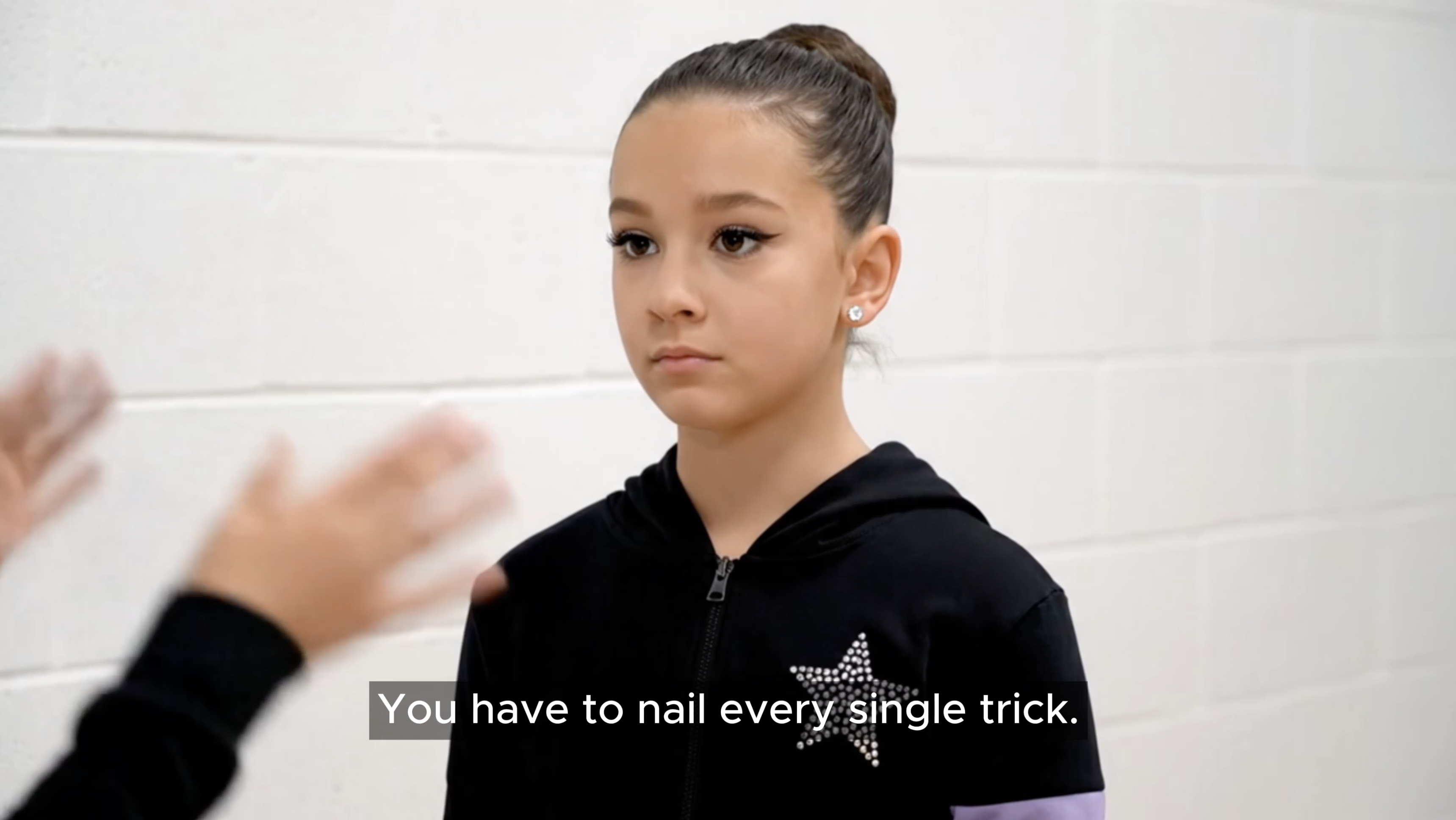
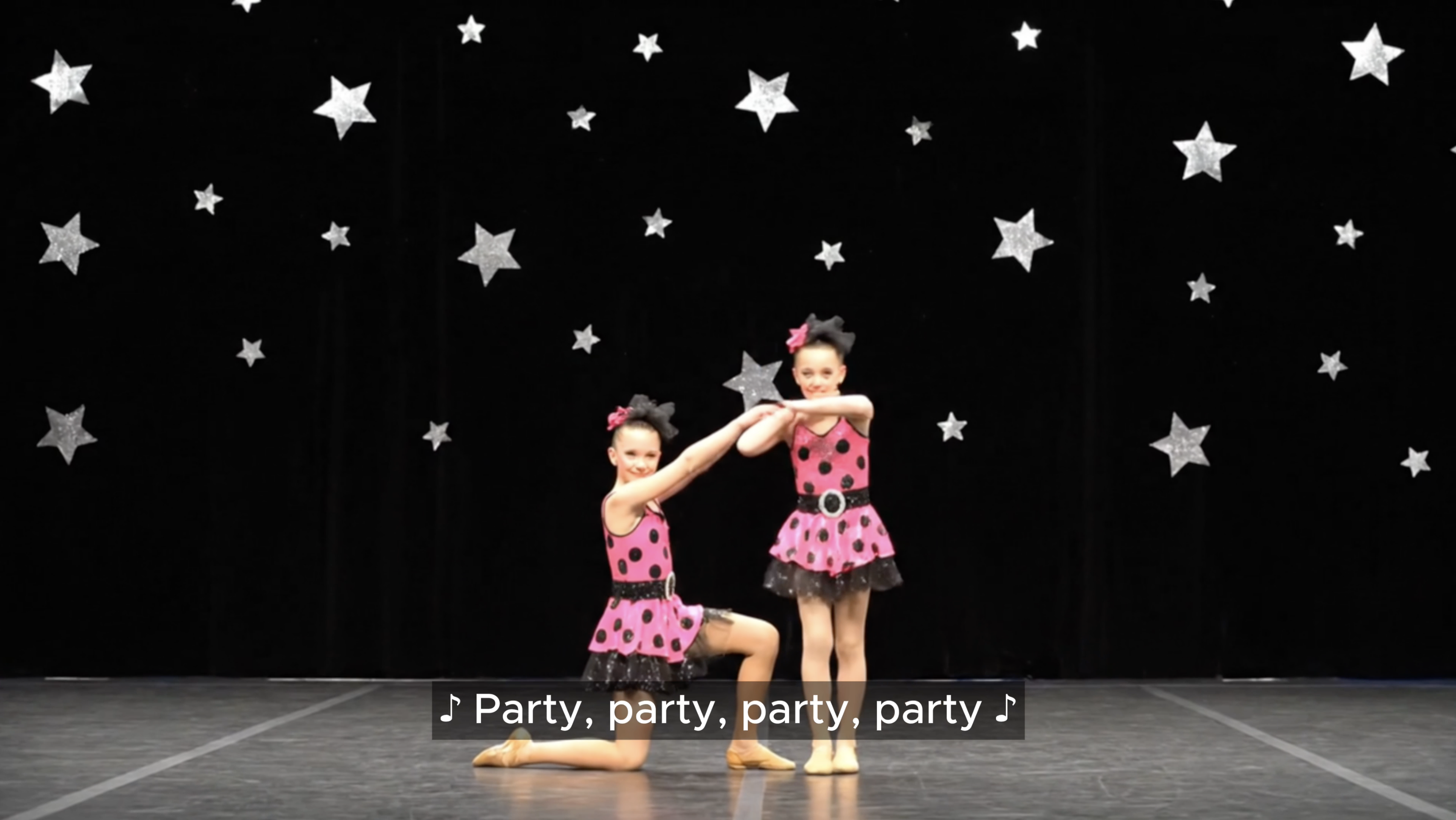
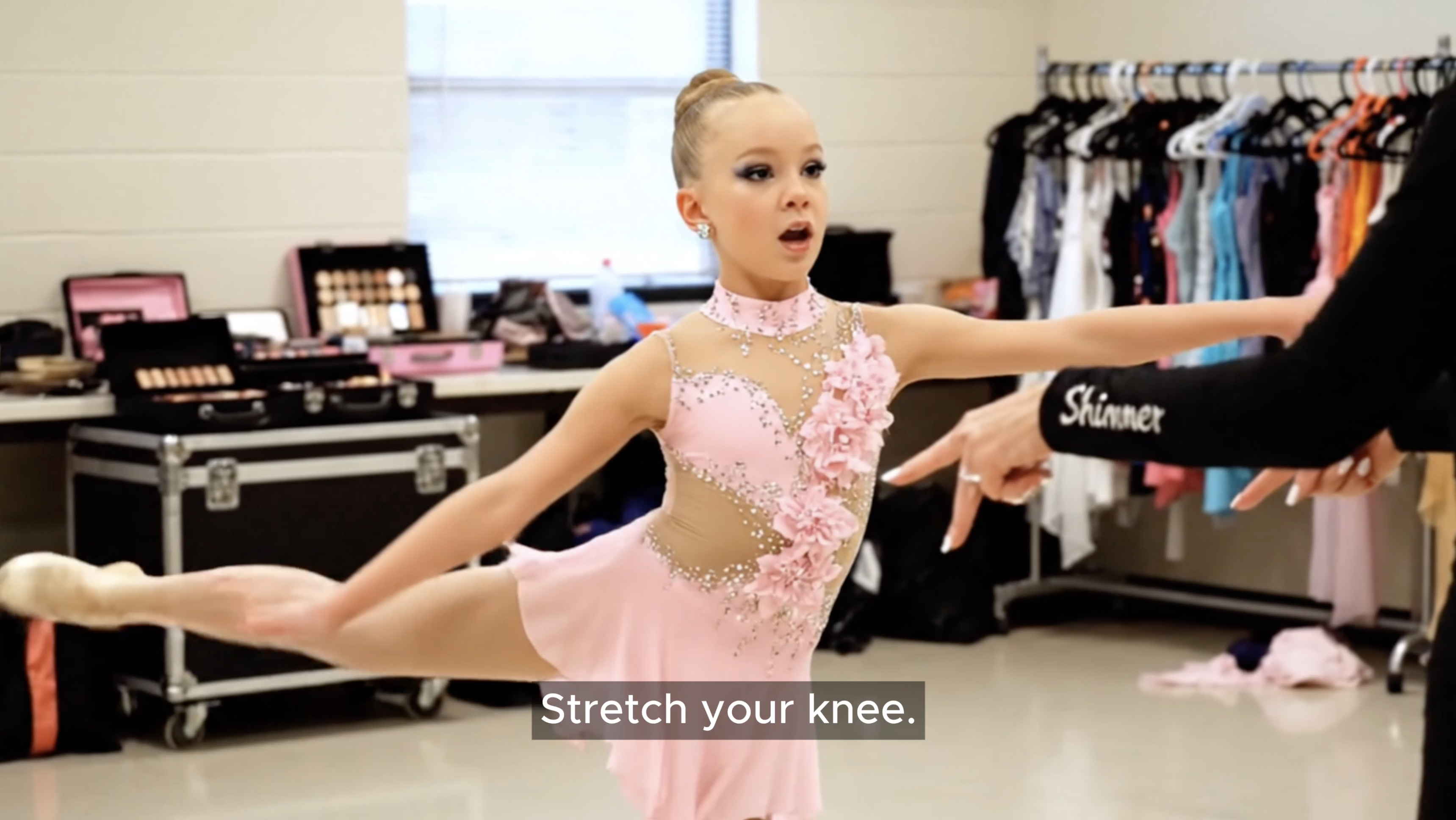
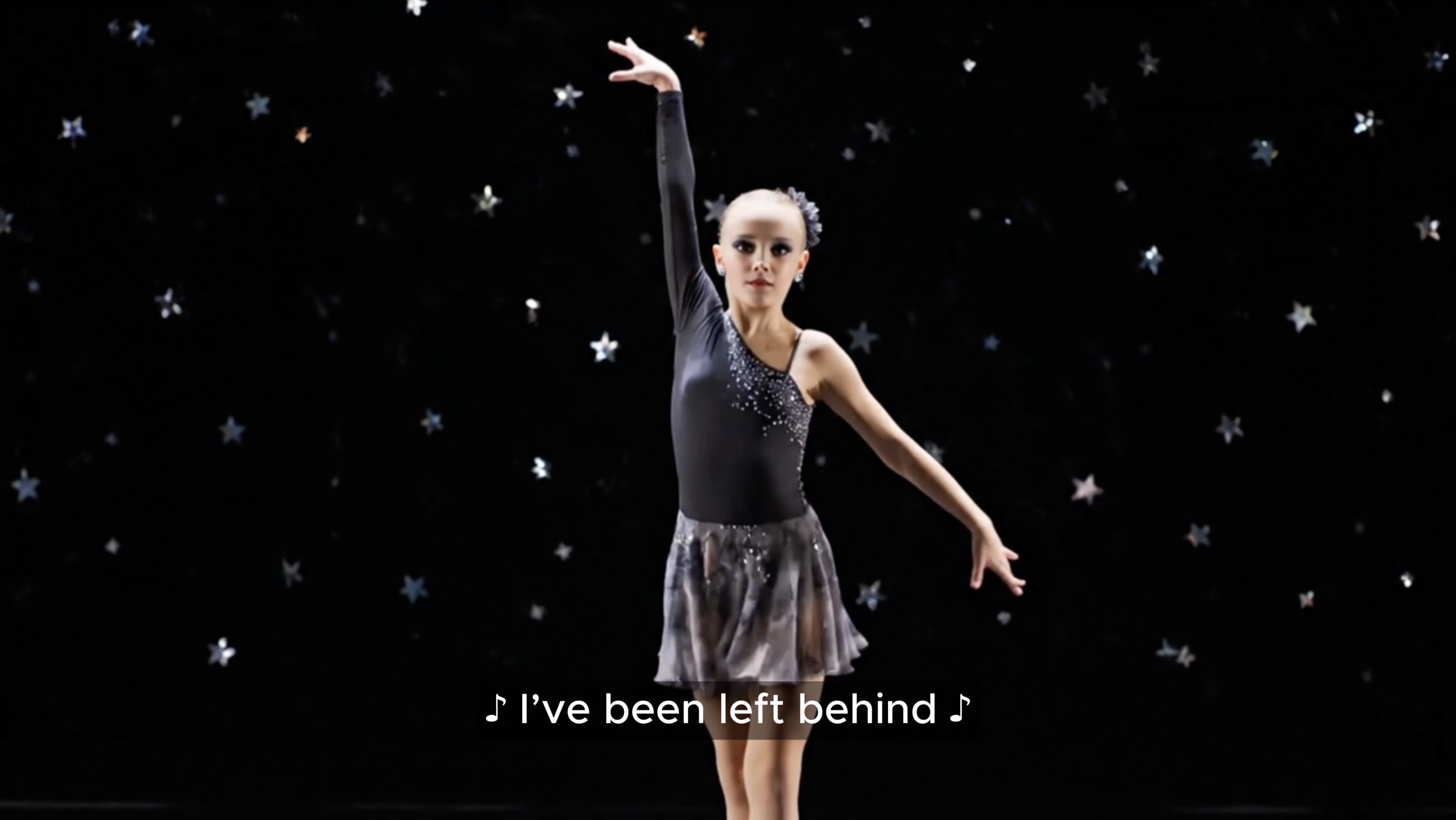
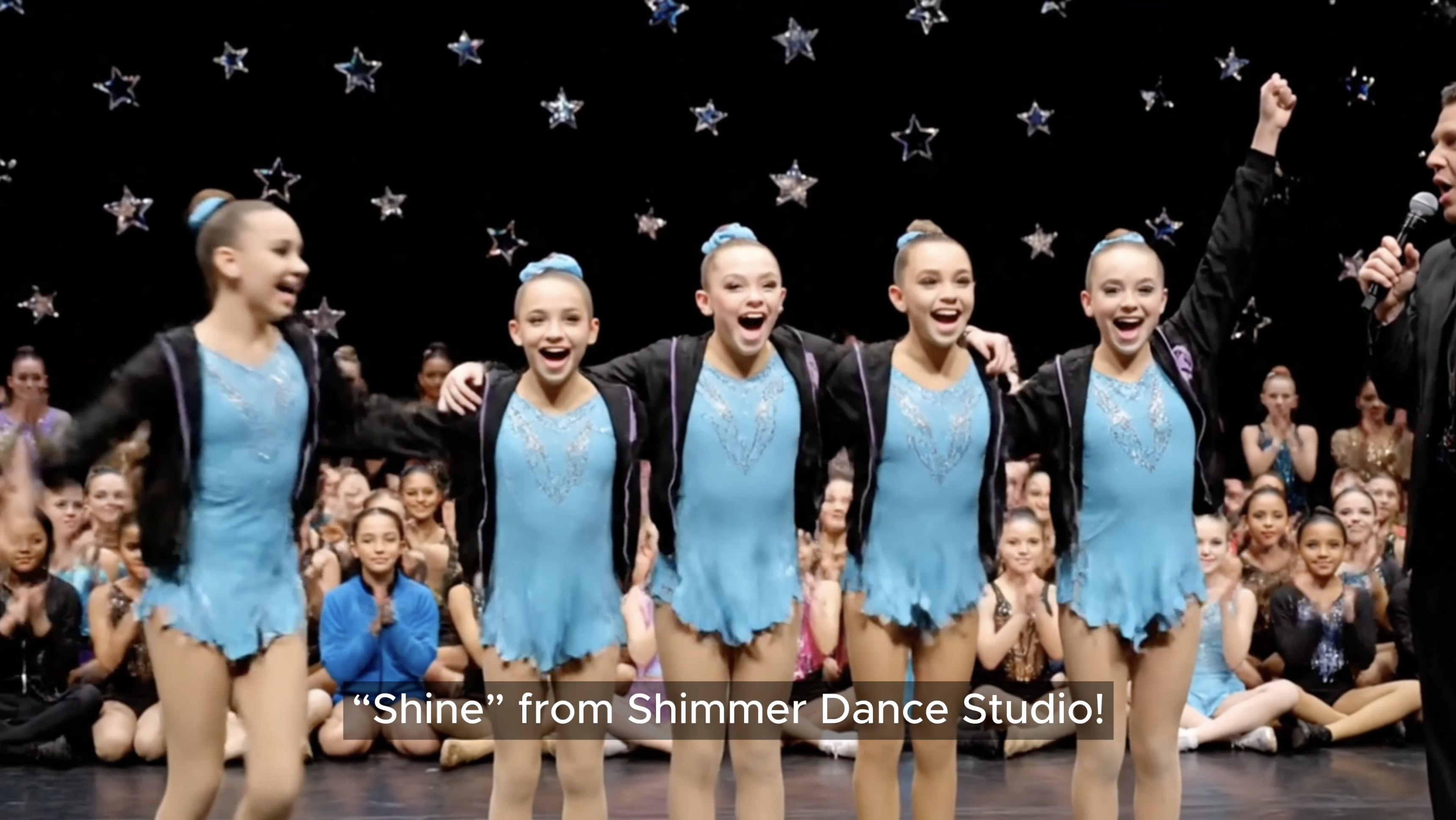
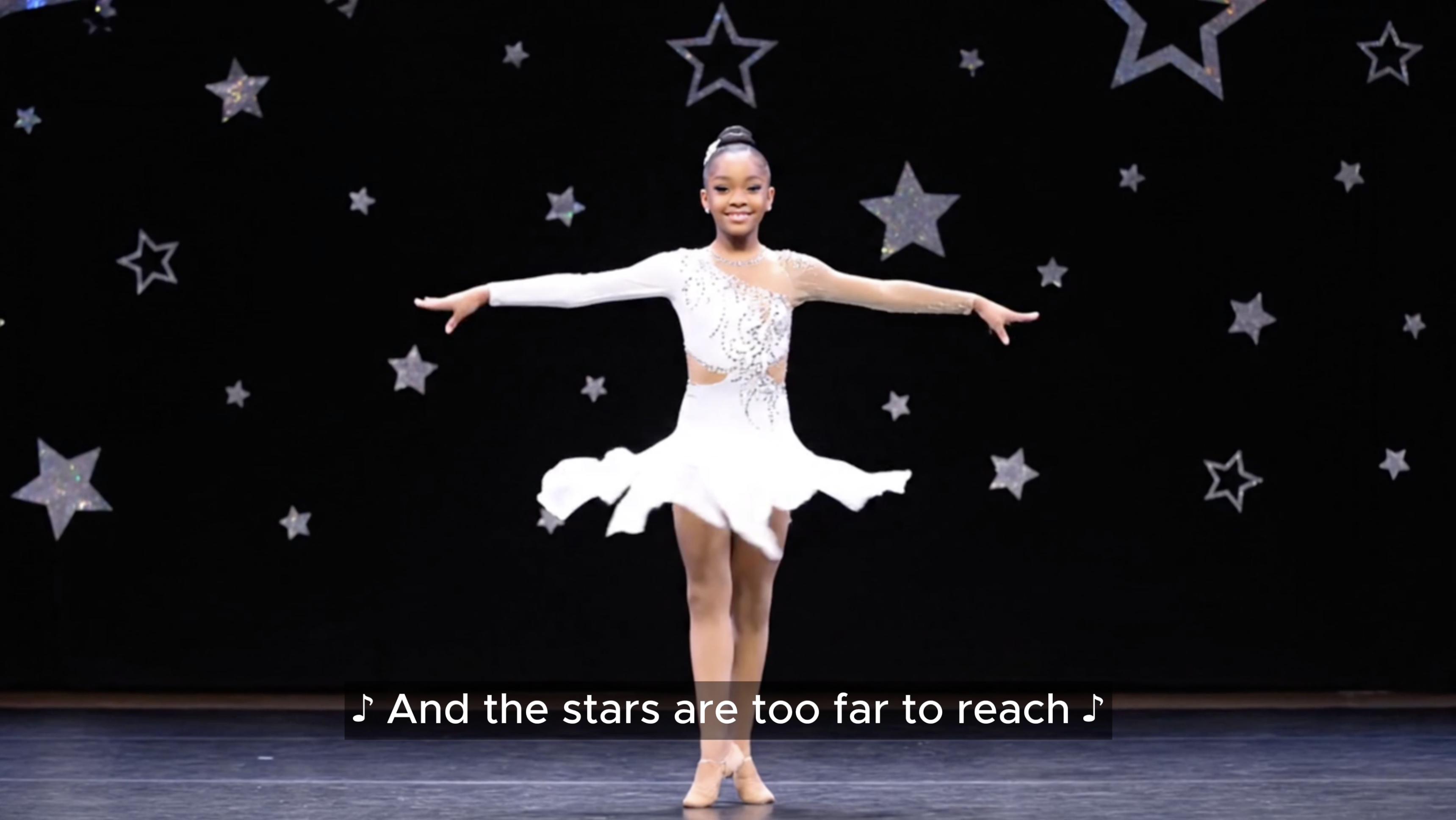
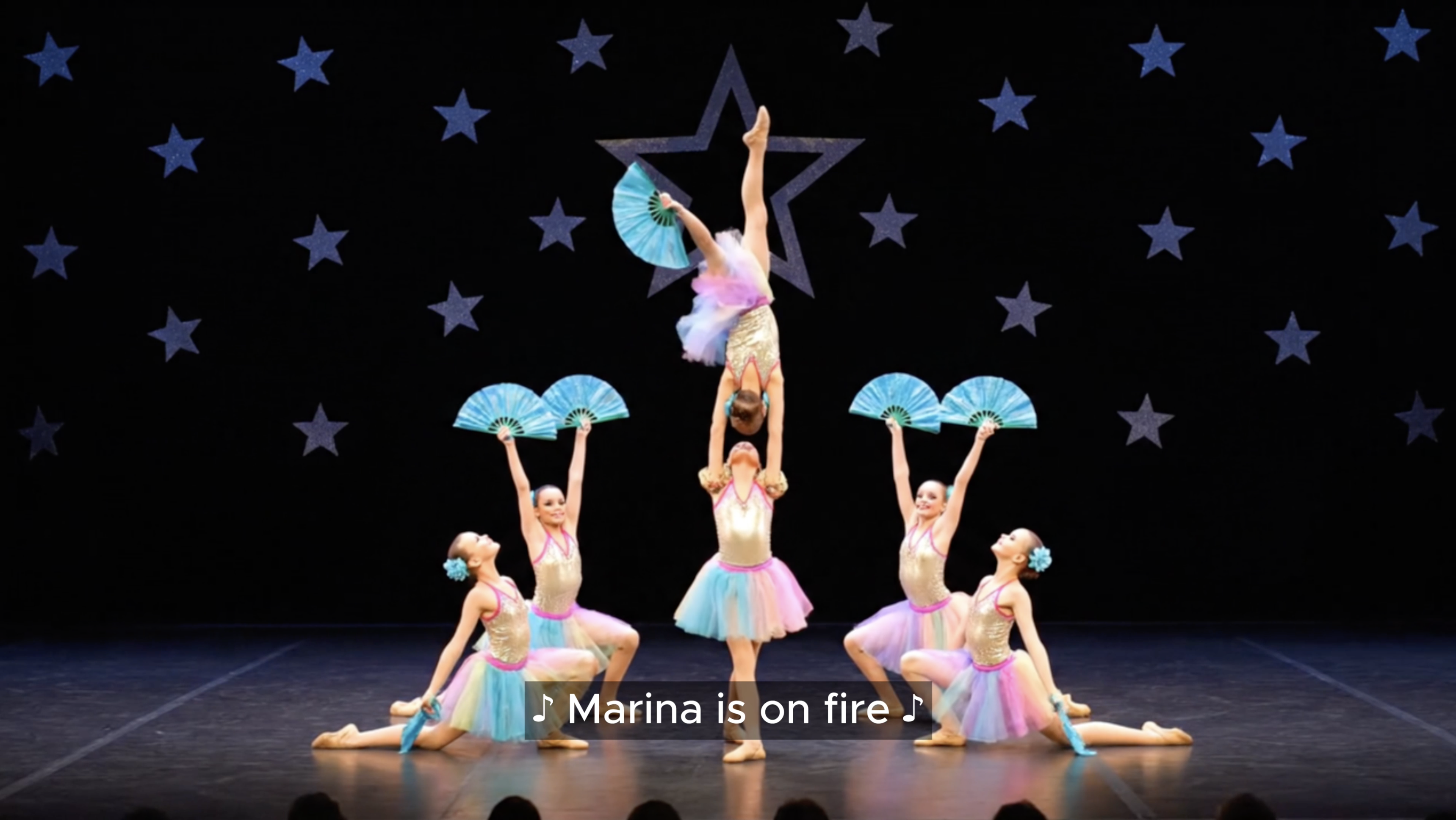
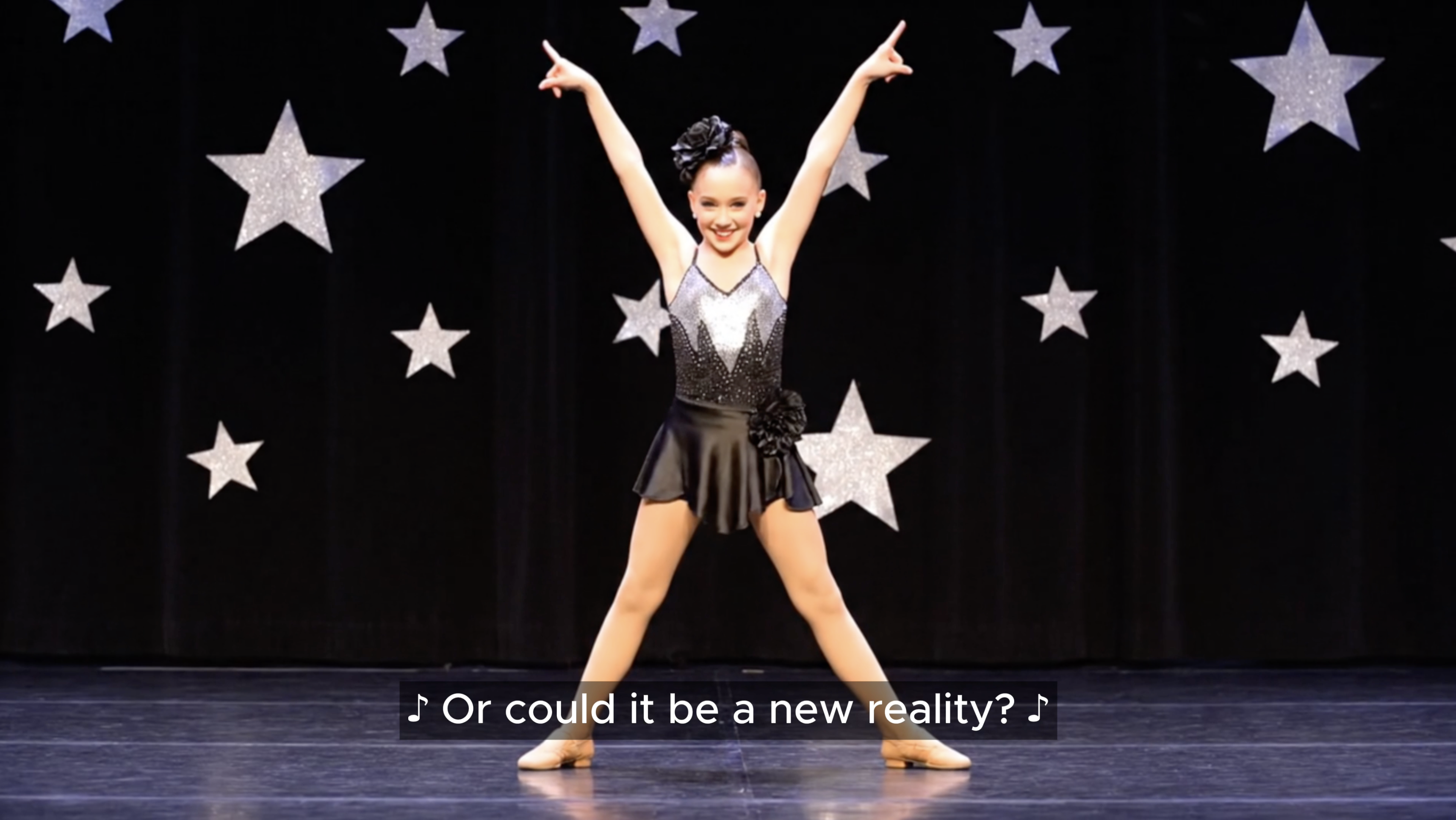
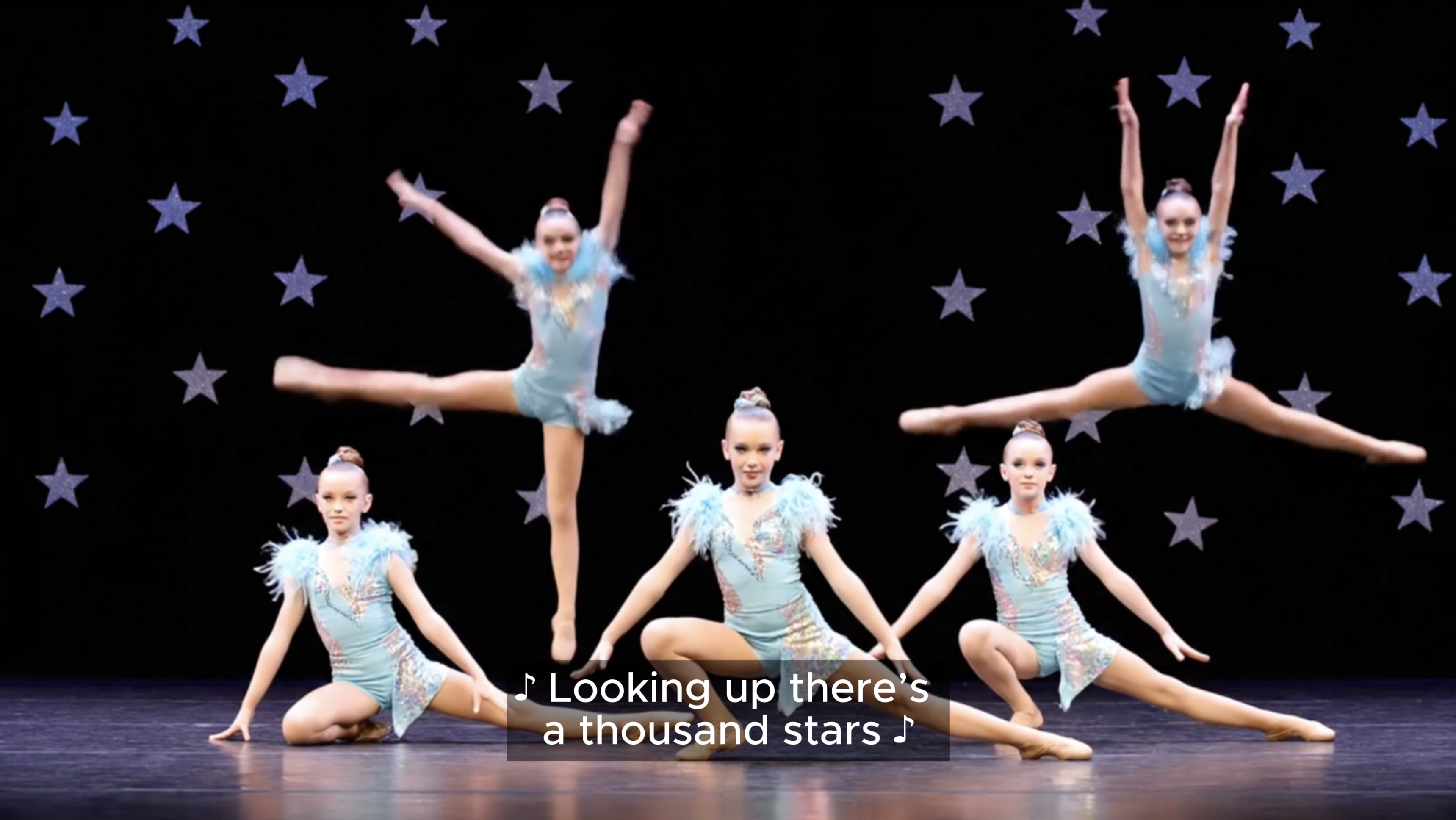
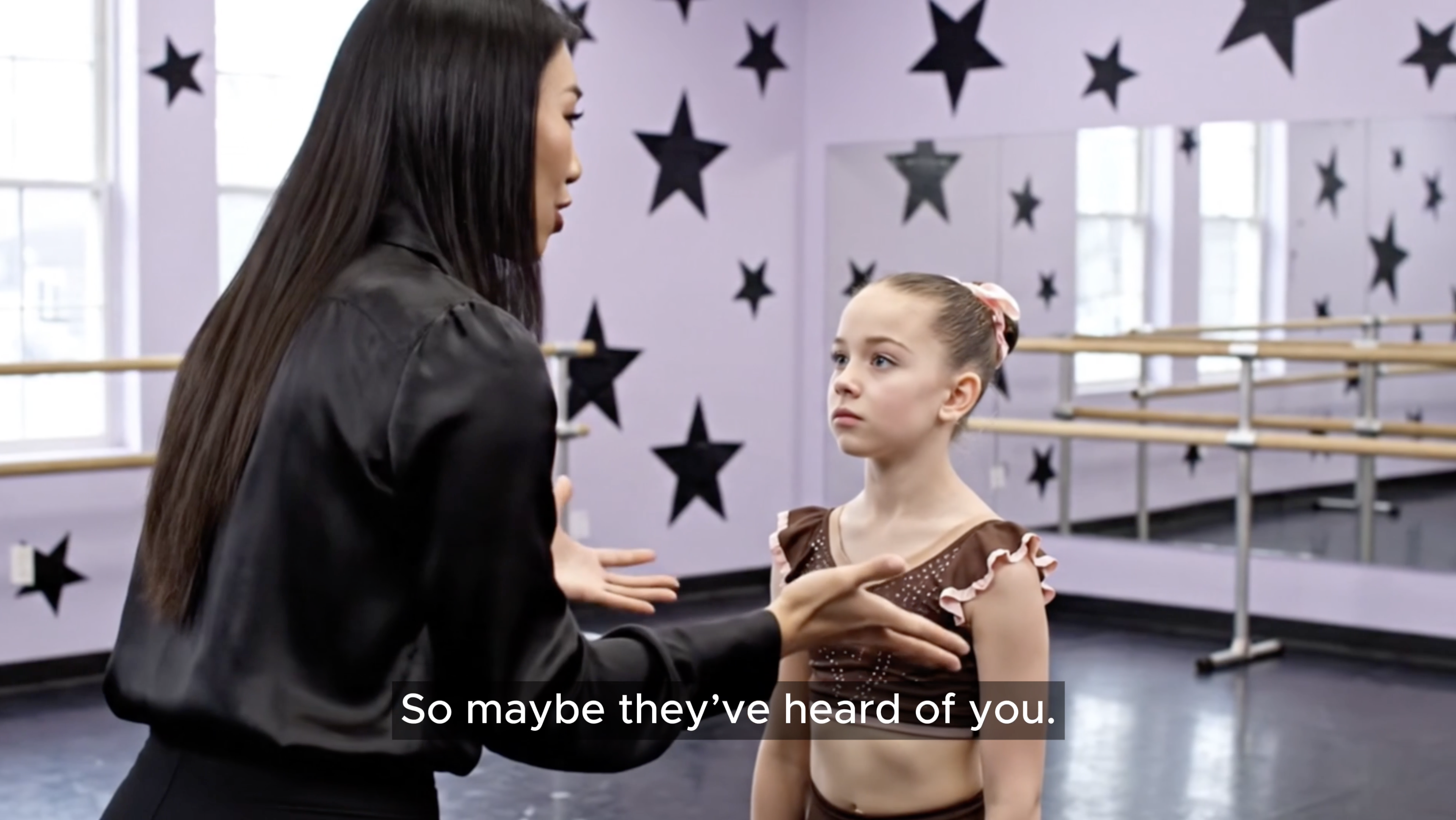
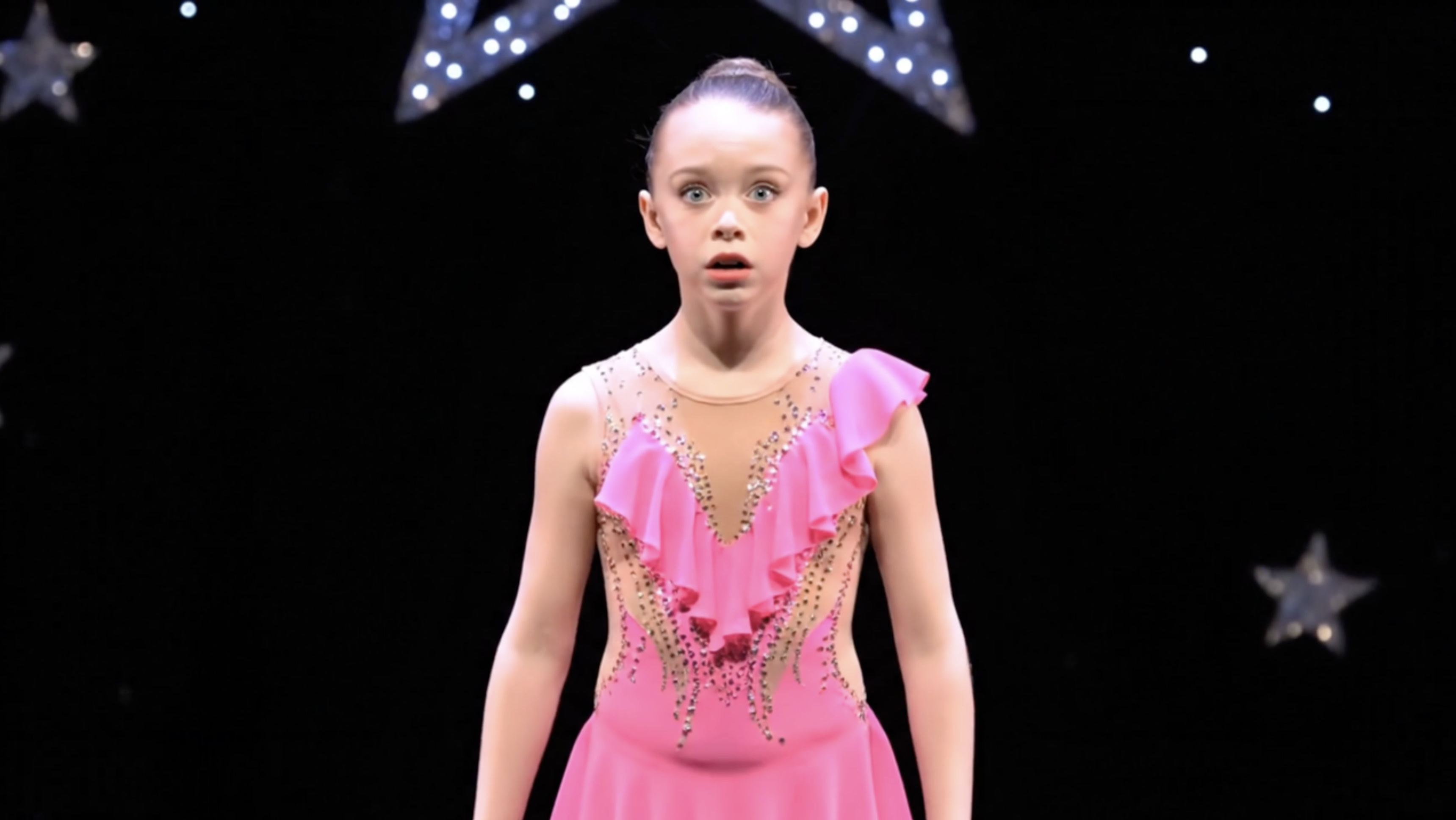
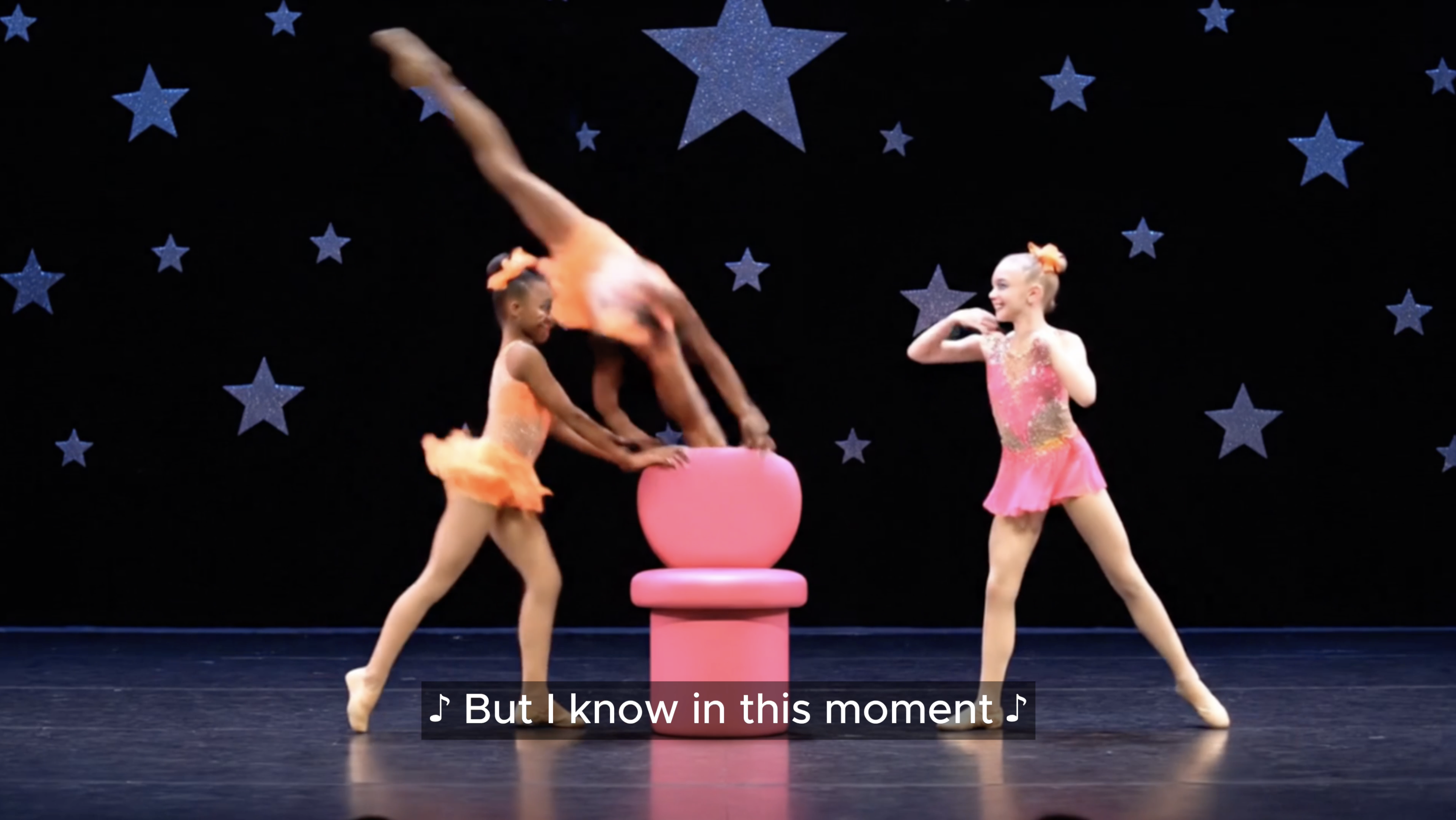
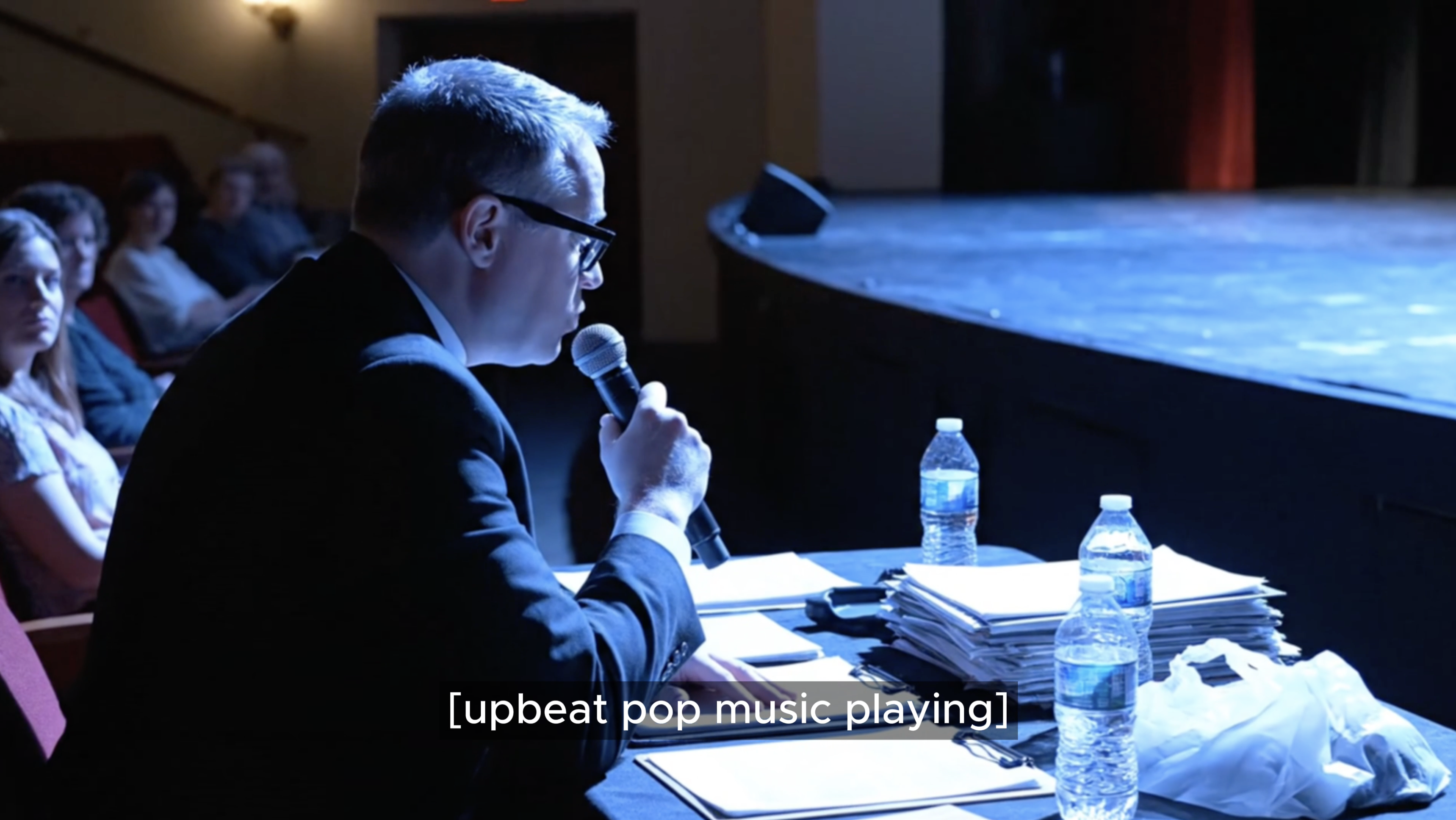
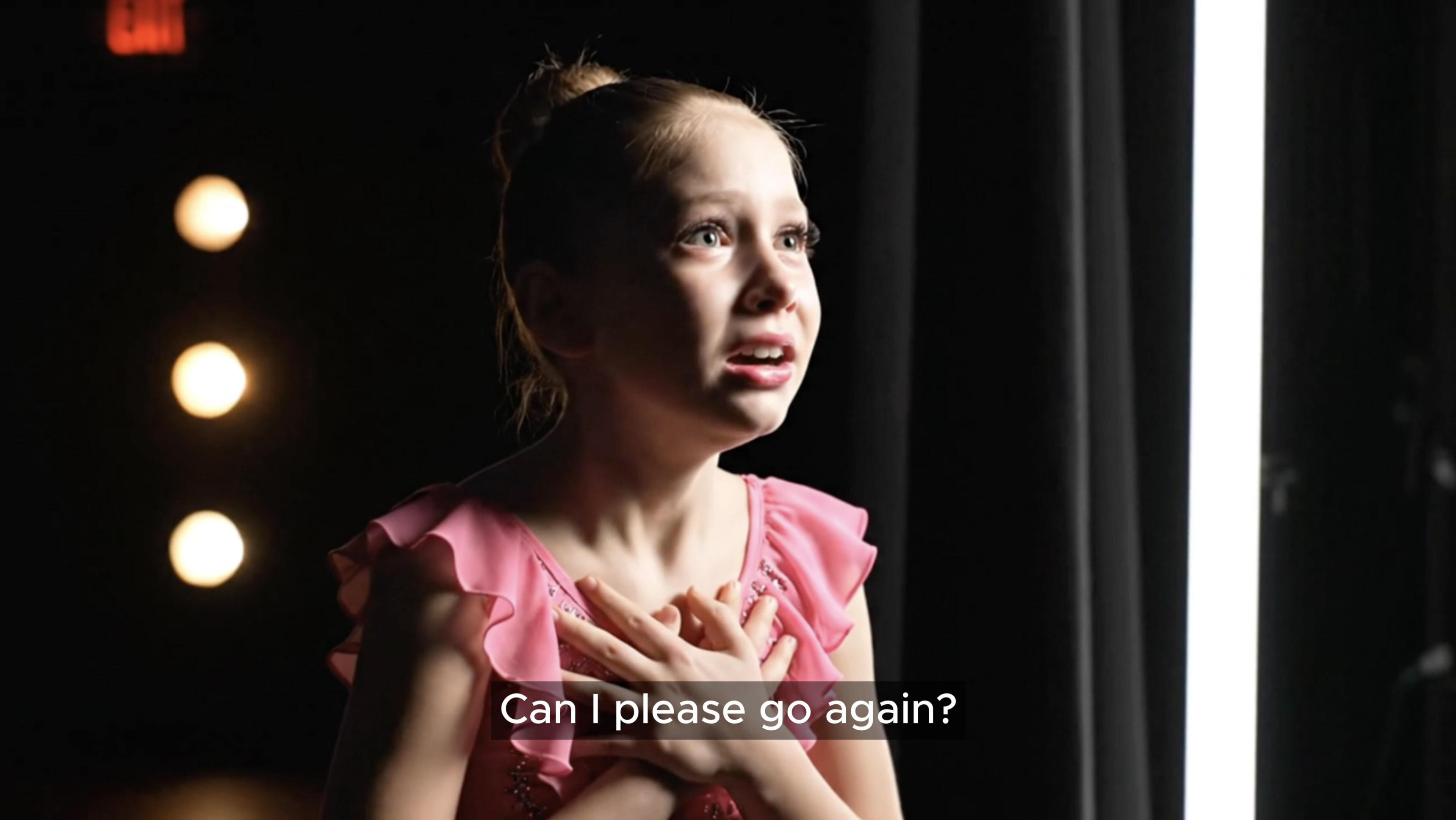
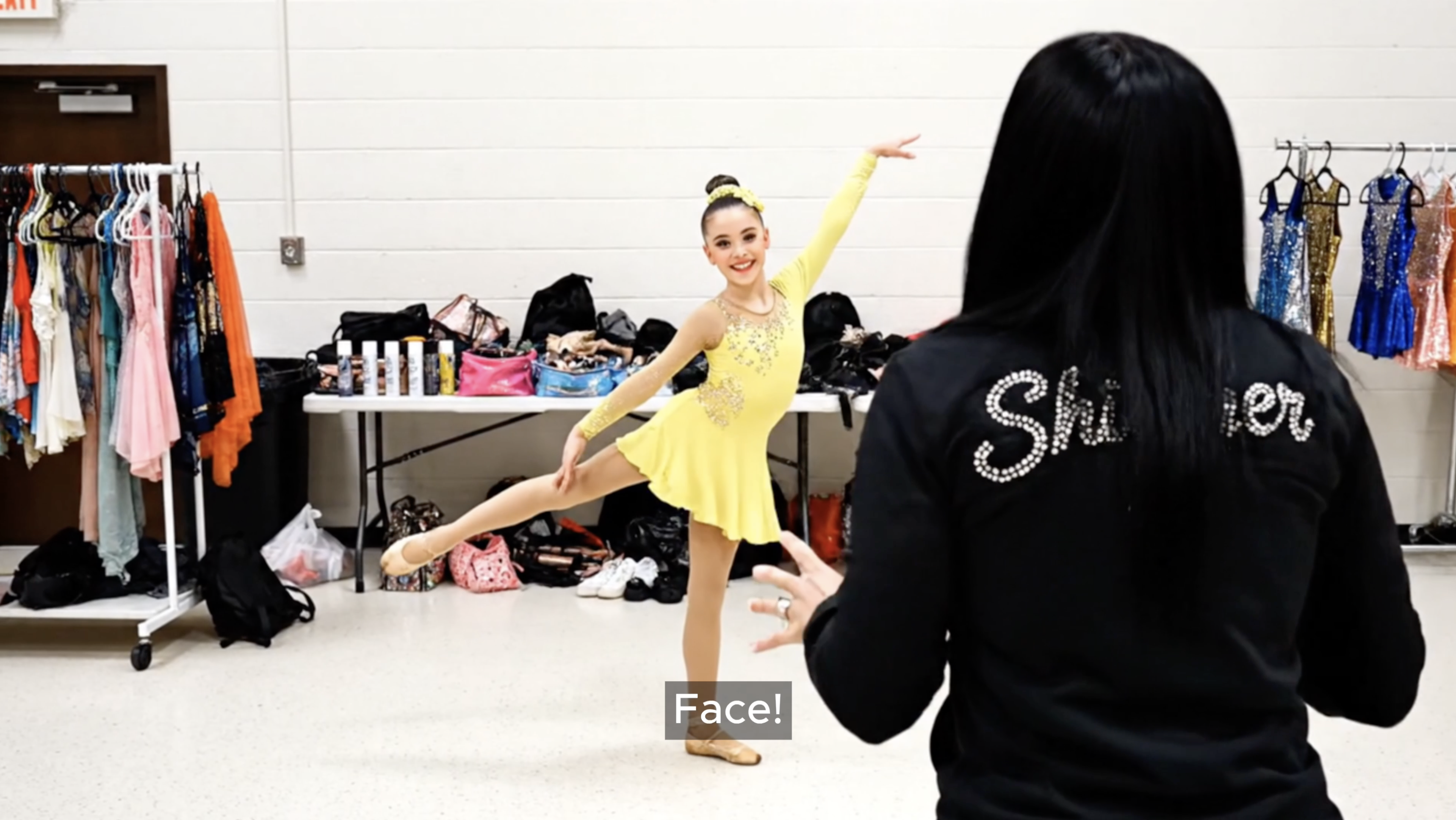
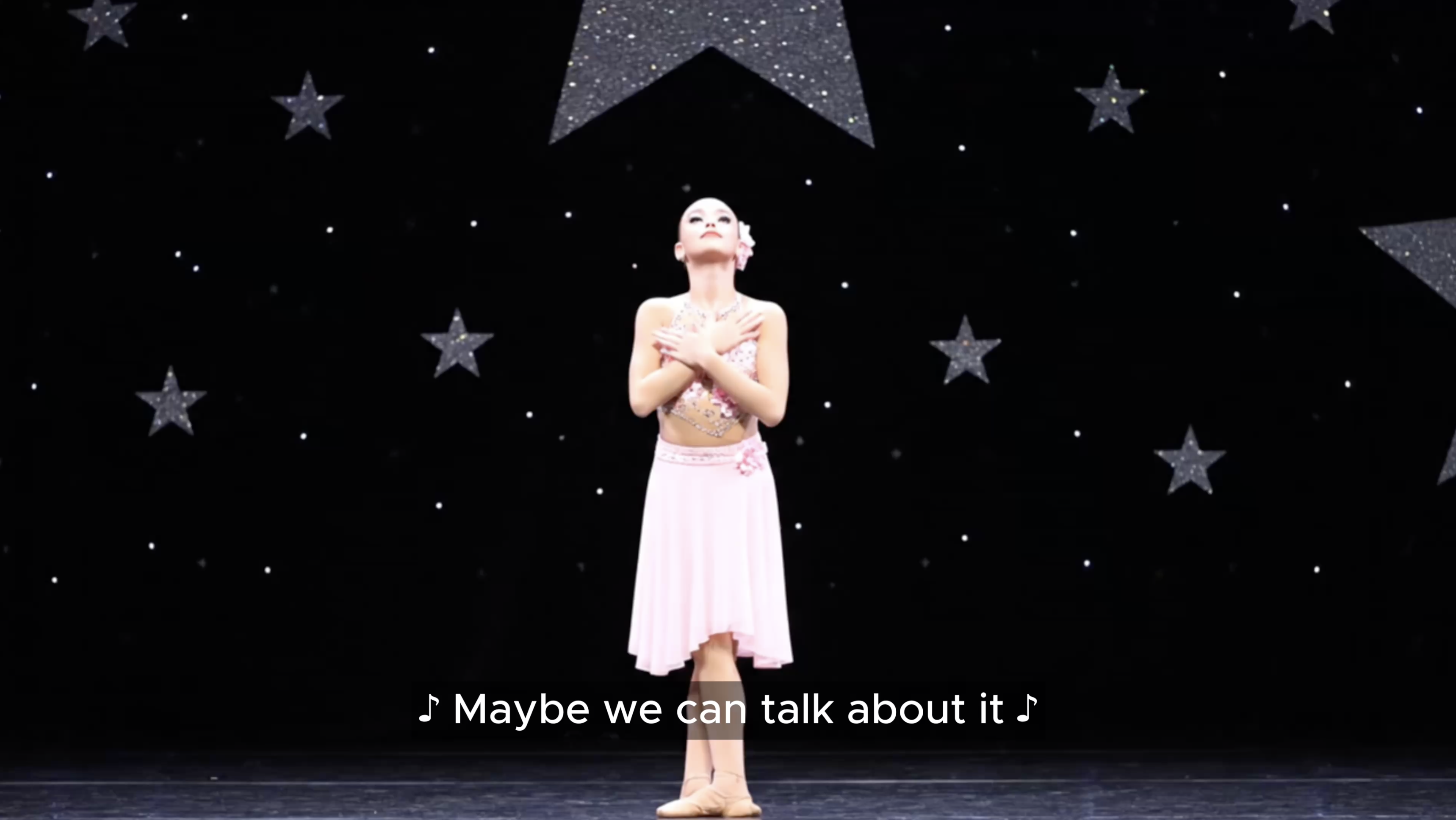
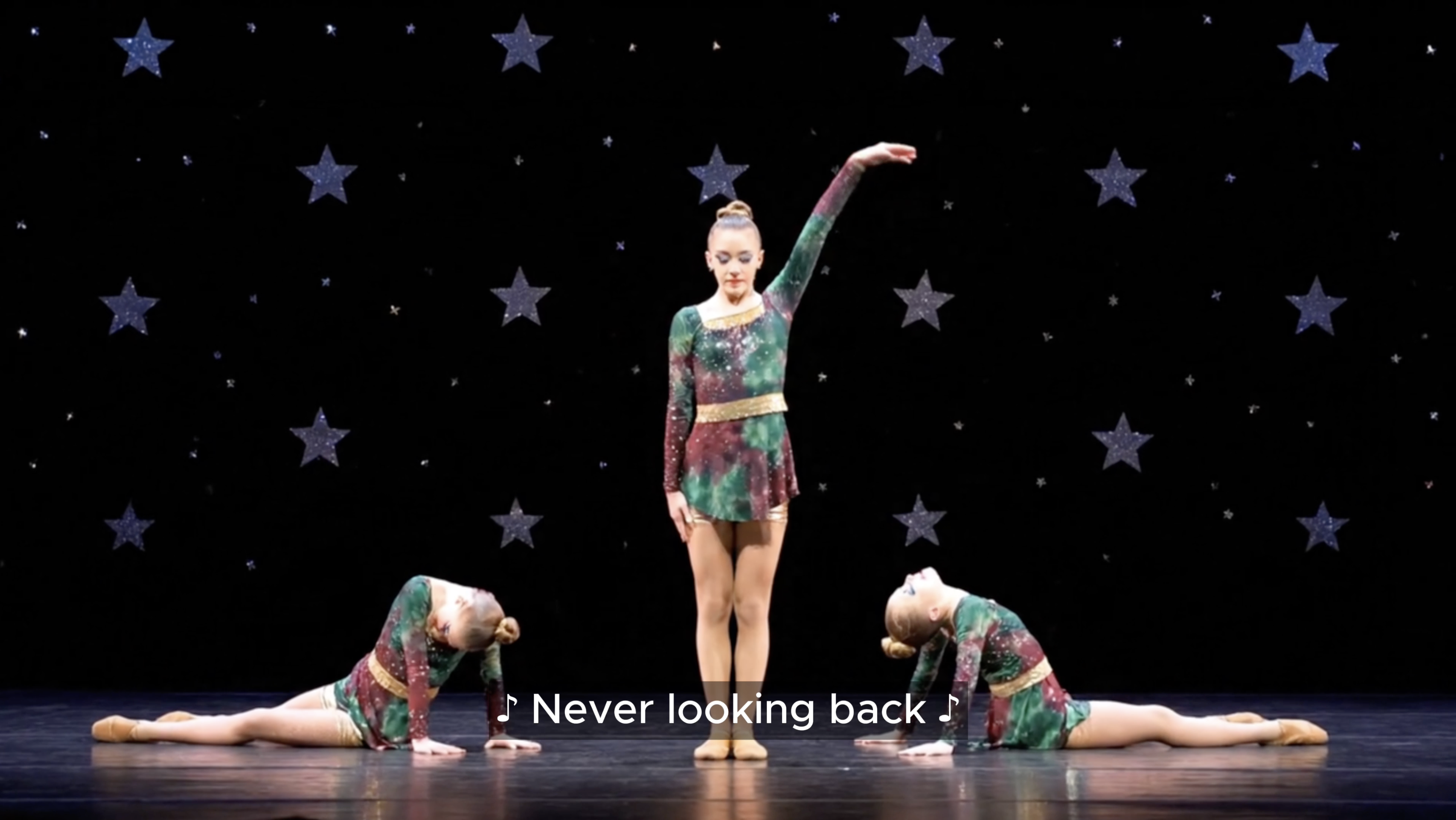
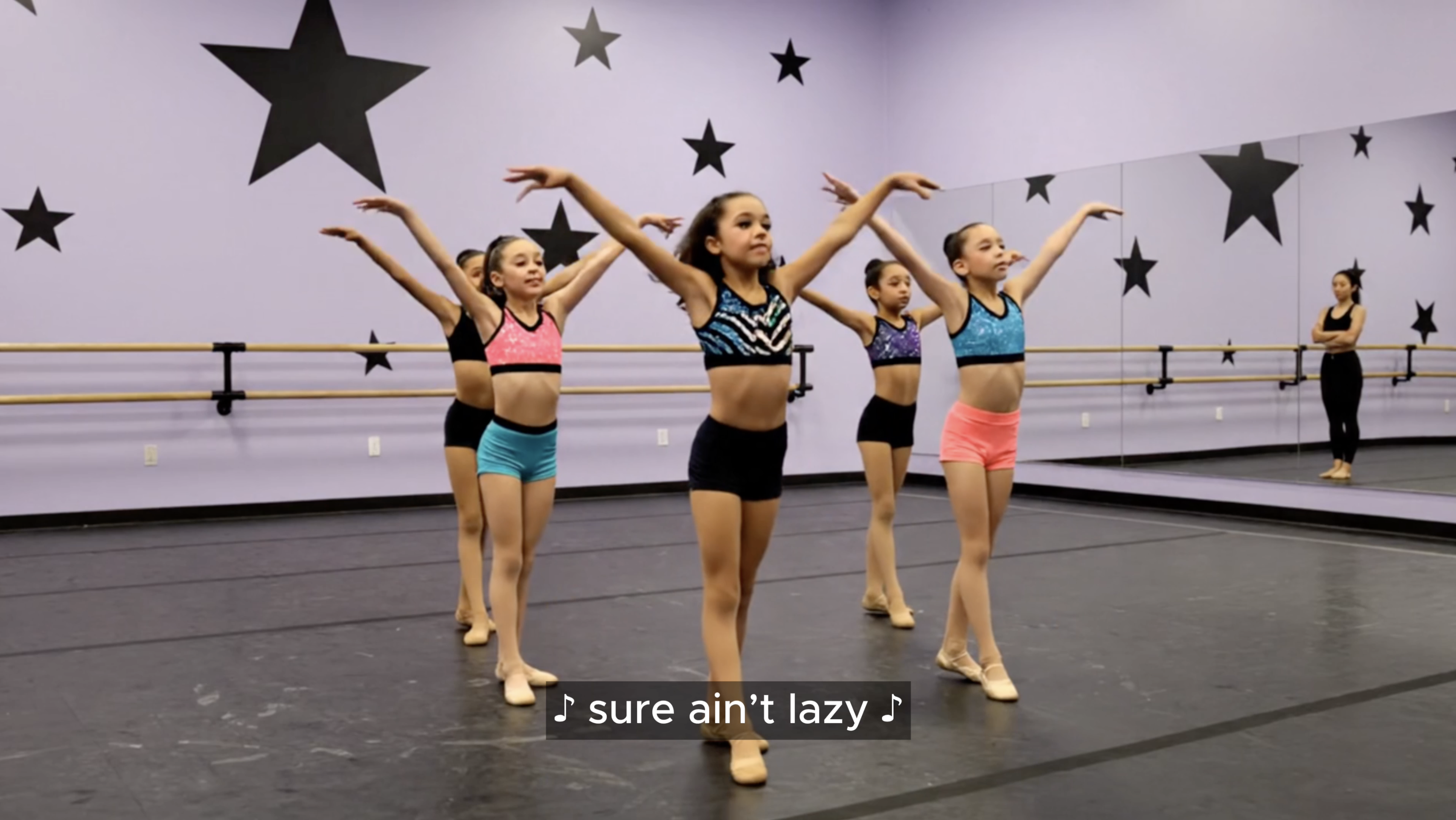
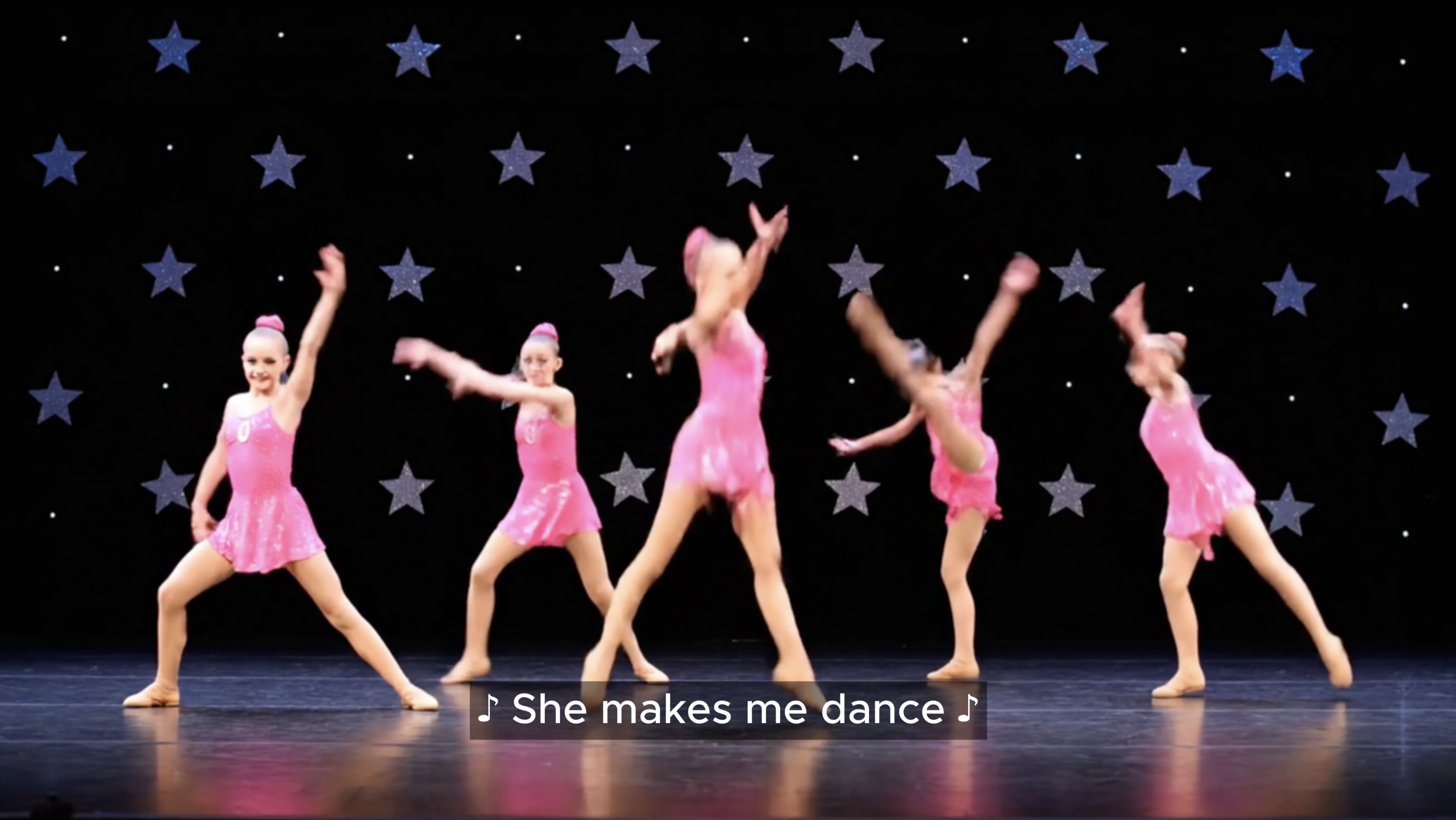
StarQuest is a series of AI-generated video works, sequenced by custom generative software, that reimagine the world of American competition dance through the lens of algorithmic media. Drawing on the emotion and spectacle of Dance Moms and the synthetic precision of machine vision, Maya Man stages a choreography of ambition, repetition, and control.
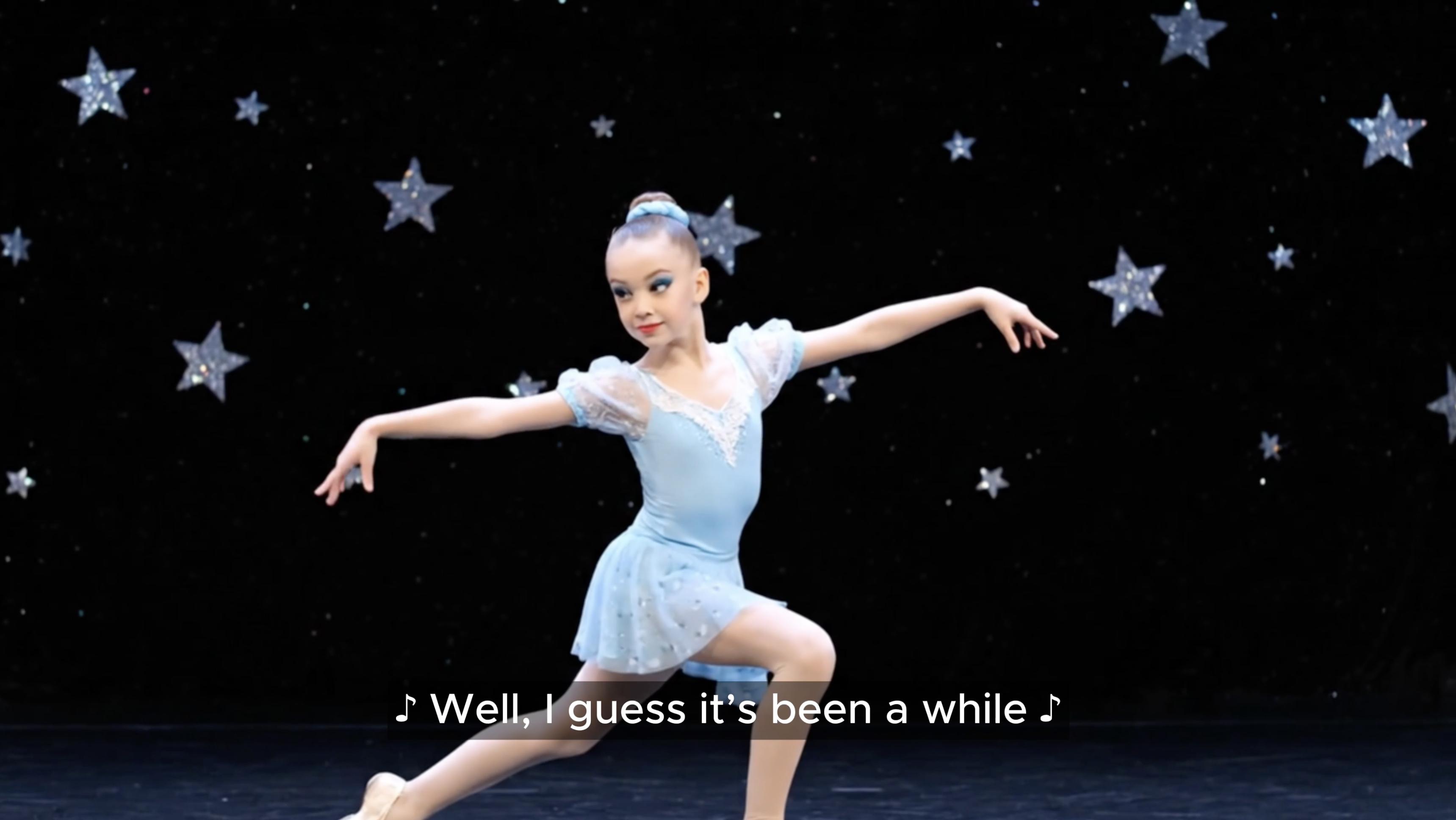
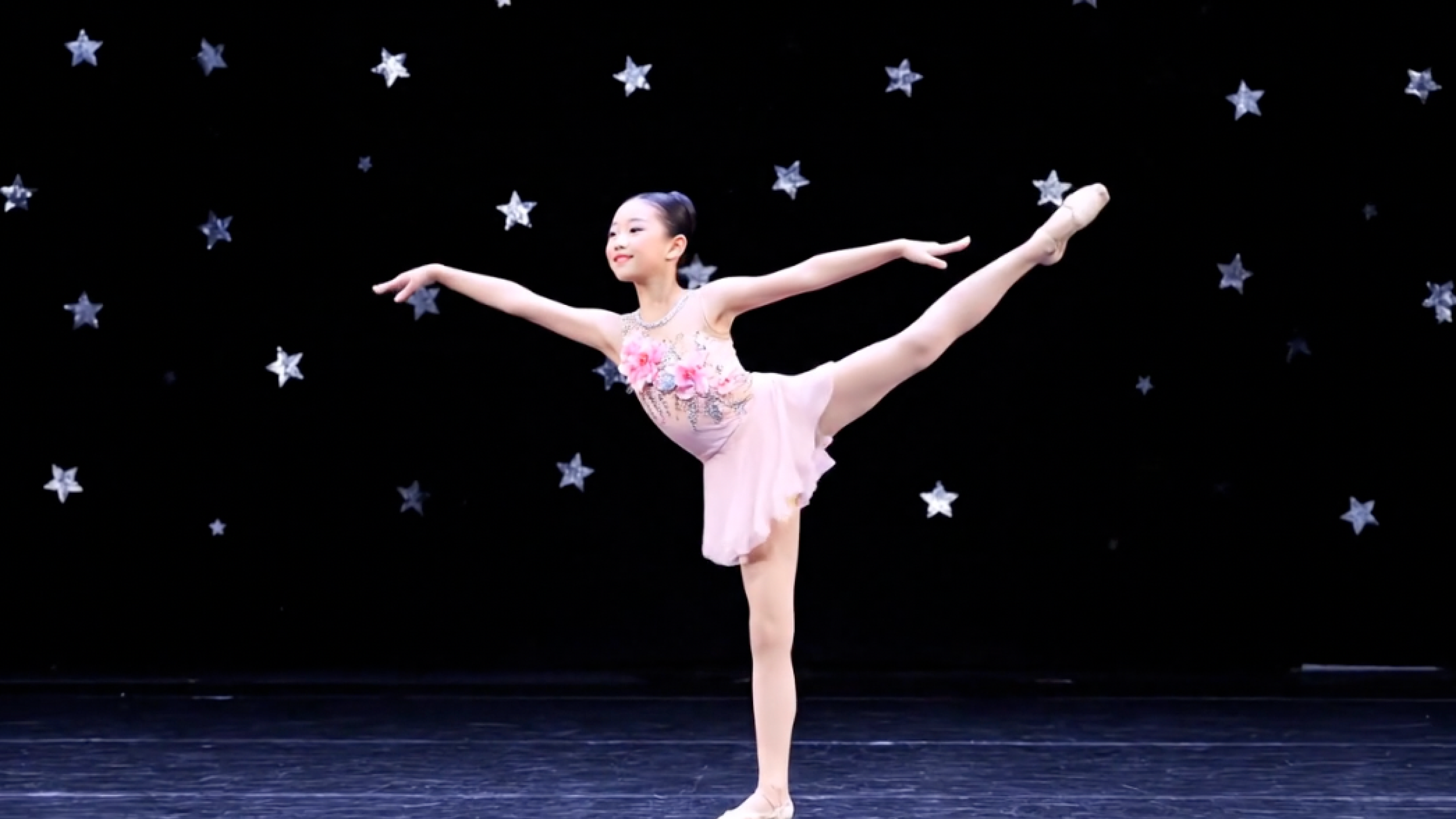
At its core is a dataset of 111 AI-generated dance scenes, each eight seconds long. These short sequences function both as fragments of performance and as units of code—data that moves, feels, and performs. Using custom-built software, Man sequences the dataset into non-linear, generative films that continuously reconfigure themselves, creating new choreographies with each viewing. The result is a system of endless variation: a stage that never rests, where movement becomes algorithmic and rhythm becomes procedural.
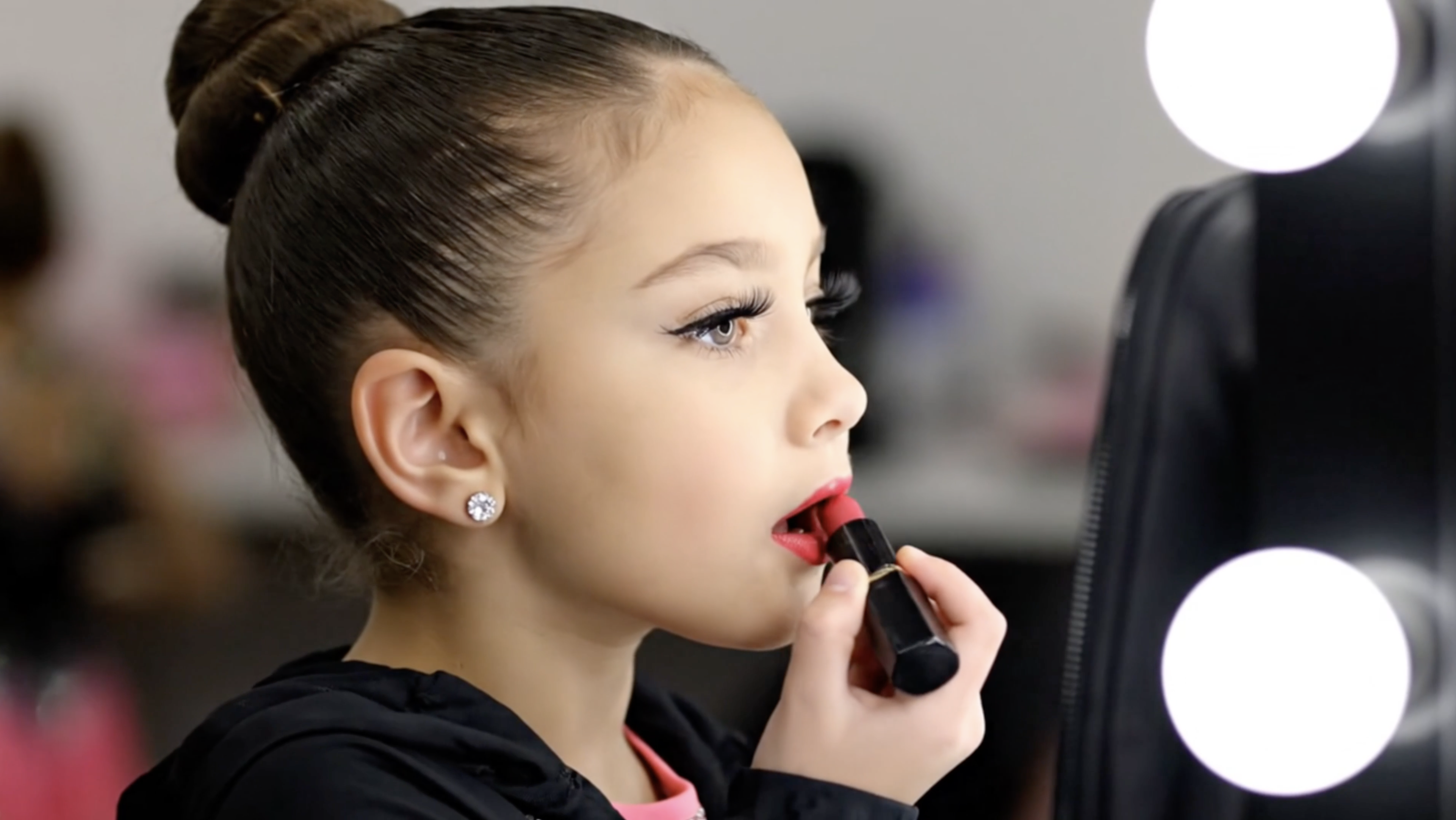
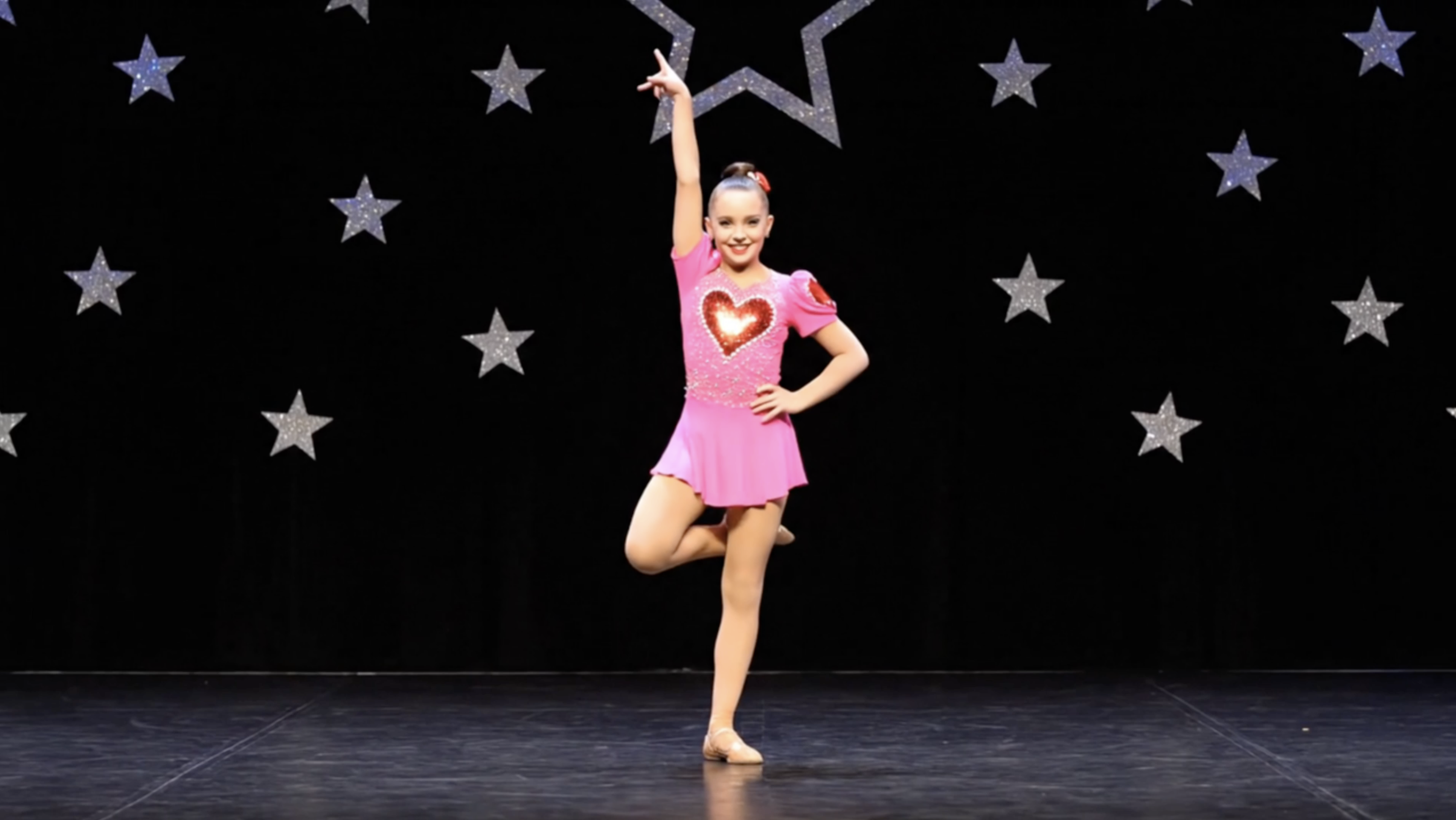
At the centre of StarQuest is the “AI default girl,” a synthetic performer born from datasets and optimized for beauty, obedience, and perfection. Caught in perpetual cycles of training, performing, winning, and losing, she embodies the paradox of contemporary visibility: to exist is to perform, and to perform is to repeat. Both product and performer, she mirrors the conditions of digital life, where the boundaries between labour, entertainment, and identity blur.
Through its recursive structure, StarQuest reflects on the aesthetics of optimization and the choreography of attention. It asks what happens when performance itself becomes automated—when the drive for perfection is no longer human aspiration, but a system’s default setting.
Curator’s Note
These days, we live inside of images. We move through them, performing them and learning to measure ourselves against the worlds they construct. In our obsession with them, everyday life has become a stage—an environment where reality is continuously assembled and endlessly rehearsed. Training to be an image is training for a life lived in rehearsal: perfecting gestures and smoothing emotions to align yourself with the expectations of systems that measure what can be seen. In this way, the perfect image becomes a moving target that requires constant maintenance to capture attention or risk disappearing.
It would seem that images no longer simply condition our daily lives; instead, they have become central to producing the reality we now inhabit. It is a reality shaped by the ambient pressures of contemporary life, where performance is perpetual, engagement is mechanized, and visibility is both the aim and the threat. As these pressures intensify, images no longer behave as representations. They act as systems—quiet infrastructures that filter, route, and optimize behavior long before anything appears on a screen. These images don’t describe the world; they simply insist on themselves, circulating as fragments, signals, and prompts—optimized not to reveal reality but to keep us inside it. Under this regime, visibility becomes a form of labor that must be managed, repeated, and endlessly fine-tuned.
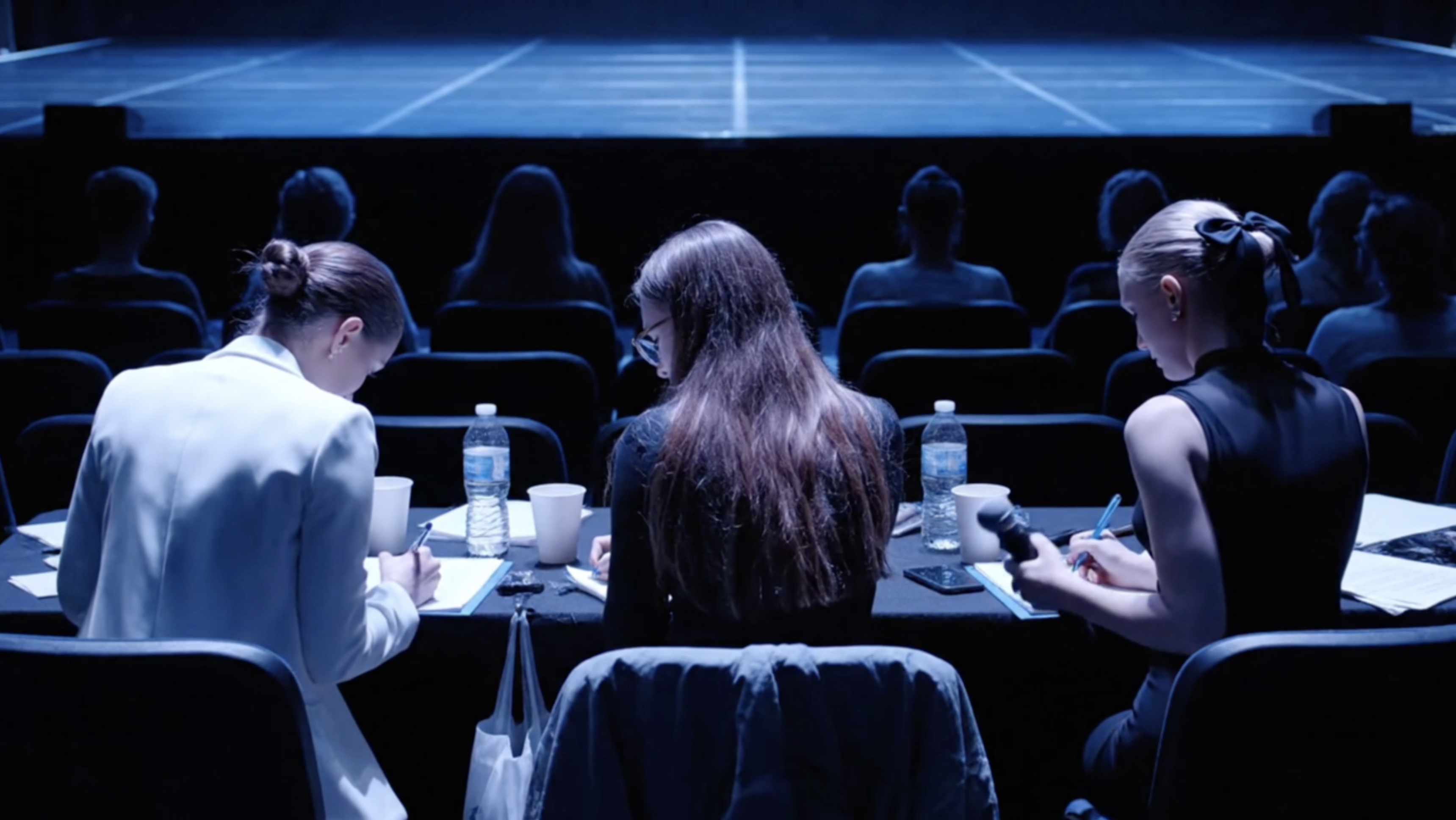
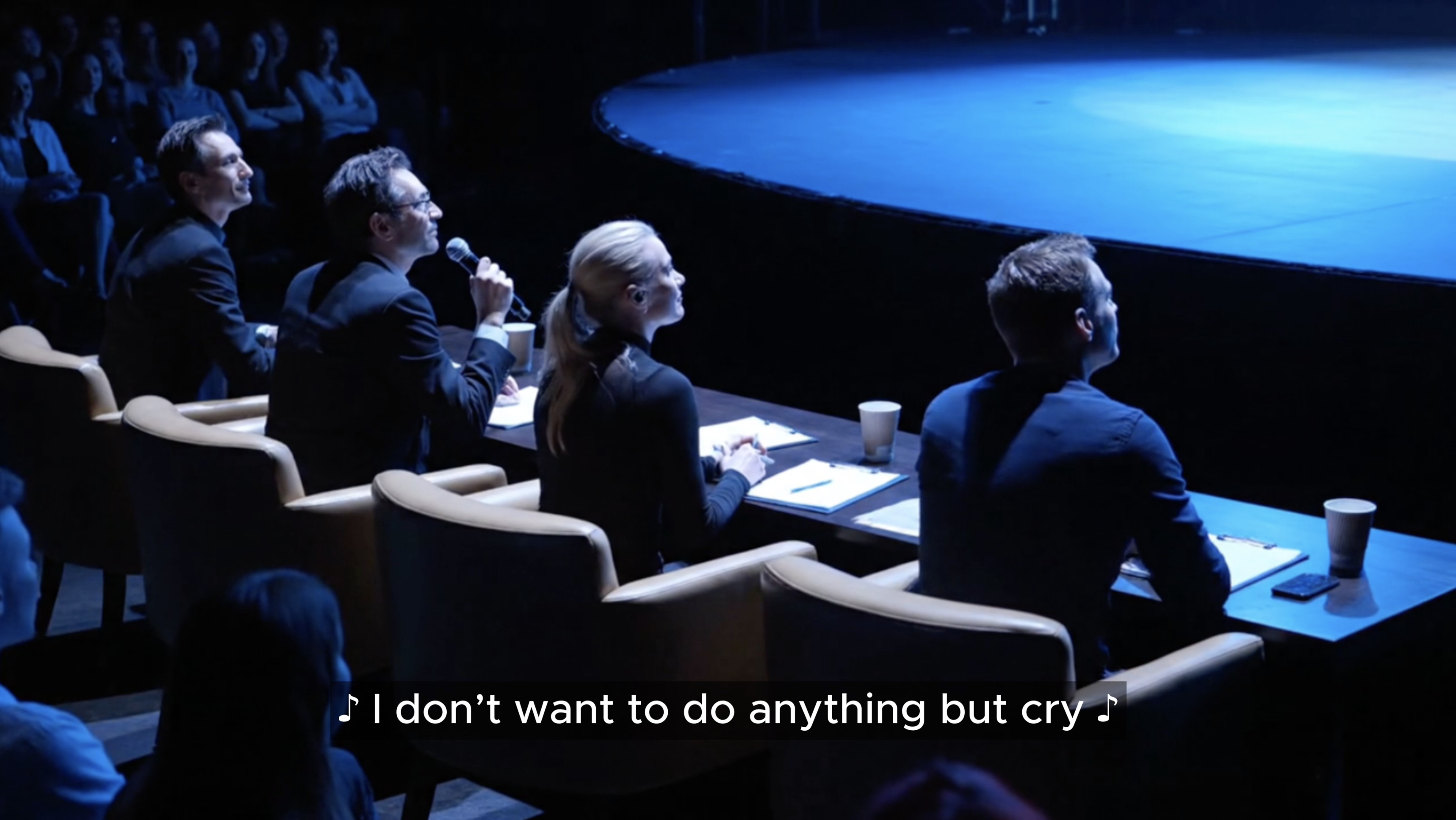
It is inside this terrain that artist Maya Man positions StarQuest. Turning to the highly disciplined world of American competitive dance, she recognizes a structure that both mirrors and anticipates the demands of contemporary digital life. Competition dance is driven by precision, repetition, and the constant obligation to appear composed. It is a world where performance is not a singular act but an ongoing state—where expression is shaped by the expectation of being watched, evaluated, and ranked. Man takes this atmosphere of managed visibility and treats it as material, translating the grammar of competitive dance into a dataset. Each gesture, each catchphrase, and each movement becomes part of a system—fragmented, learned, and reassembled through generative AI. In doing so, she exposes something essential about the contemporary image: that it is increasingly constructed from training data and behavioral patterns, and from the operational needs of systems that decide what can be seen, circulated, and sustained.
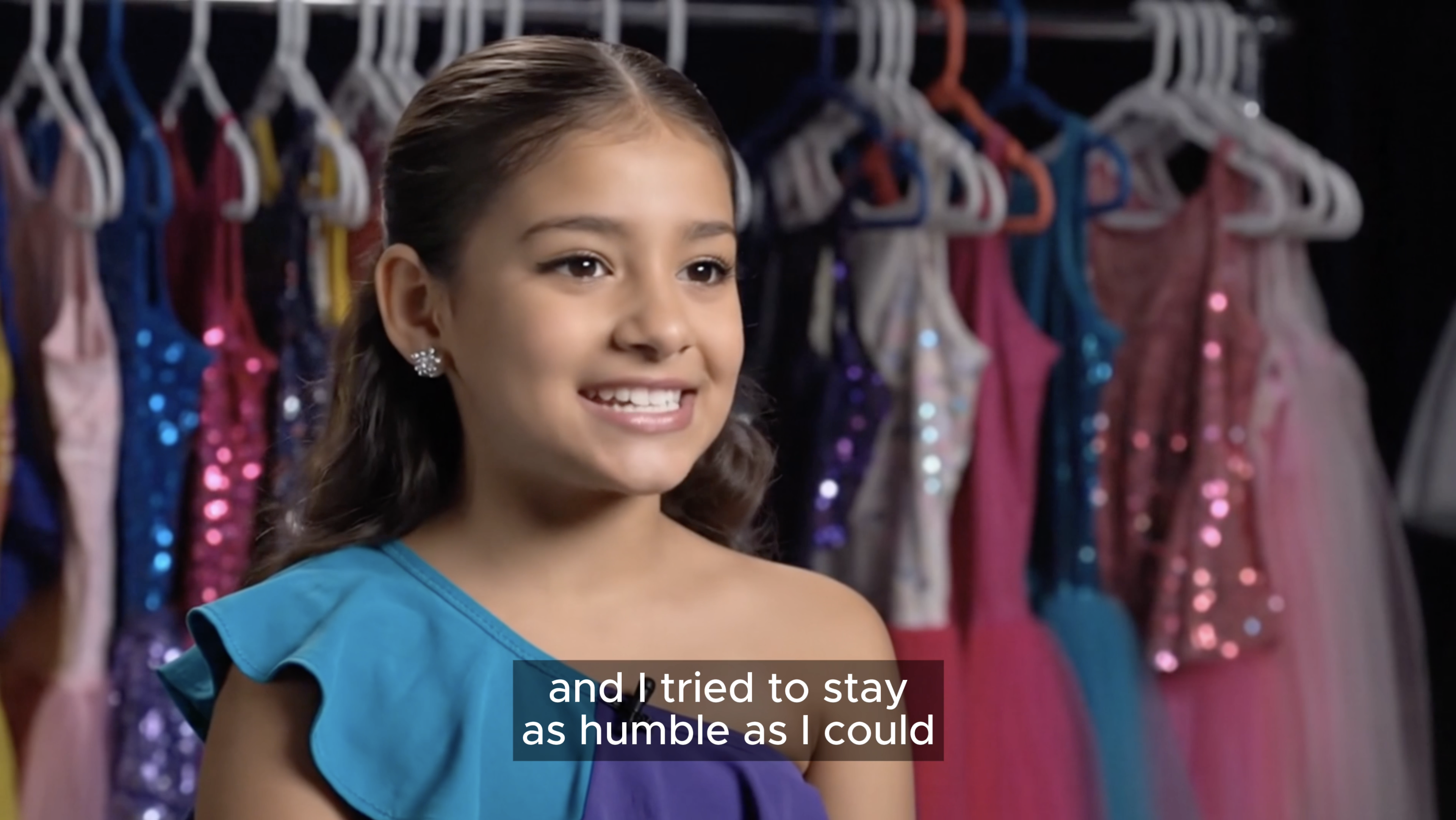
Out of this process emerges StarQuest’s central figure: the “AI default girl.” Despite her main-character energy, she is not a character in any traditional sense. Instead, she is an artefact of training—shaped by the biases, aesthetics, and technical expectations embedded in generative models. Built to perform charm, clarity, and composure, she is optimized to win, turning performance into something she must constantly compute and maintain. Her movements are not her own; instead, they are inherited from a dataset of gestures that have been extracted, learned, and recombined. Making this process visible, StarQuest presents 111 AI-generated dance scenes, each eight seconds long and accompanied by its own synthetic music and captioned lyrics. These clips become the building blocks of Man’s larger StarQuest system: fragments of expression detached from their origins, behaving like components in a workflow. Exposing the technical system at work, Man calls attention to the logic that underpins so many of our contemporary images. Showing how visibility has become a learned pattern, Man reduces choreography to its computation, and the dancer to an interface.
Echoing the world of the cult series Dance Moms, StarQuest imposes a regime where expression must be legible and affect must be performed with clarity. By situating her work within the shared ethos of competitive dance and generative AI, Man captures the uncanny alignment between human rehearsal and algorithmic training, each of which are shaped by systems that promise recognition while demanding compliance. In StarQuest, visibility depends on this compliance, and the image must continually regenerate itself to stay seen. Powered by generative software, the system endlessly recombines its fragments to assemble images of dances that have never existed. Man’s generative player sits at the center of this logic. It mirrors a culture trained to consume in short bursts—TikToks, Reels, and memes—where recognition is instant yet fleeting. In StarQuest, Man exposes the mechanics behind this condition. Each clip is a discrete unit of data, but when recombined, they reveal the uncanniness of an image that is technically coherent yet emotionally hollow—presenting an echo of a world where visibility is paramount and connection is always secondary.
What Man stages within StarQuest is not the failure of AI to imitate dance, but the conditions under which images now circulate: as fragments, as signals, and as units optimized for processing. It is a broader shift in how images behave. Entangled in this machinery is Man’s own history of competitive dance—the pressure to be perfect, the rituals of rehearsal, the quiet demand to be seen. These memories are not narrated; they are absorbed into the structure of the system, shaping the way the work moves. StarQuest sits between autobiography and automation, between memory and model, showing how human experience becomes training material and how gestures harden into data. Composed from fragments of performance and the residue of an image culture that demands visibility, Man gives form to a condition that is usually too ambient to name: a life lived under images that no longer mirror the world, but silently govern it.
Episodes
Episodes form automatically when an address holds two or more Scenes. The player draws those Scenes together and re-cuts them into a generative Episode—an evolving sequence that changes with every run. Episodes aren't separate works; they're simply what multiple Scenes generate when they gather at a single address.
15 episodes across 21 addresses holding scenes, as of .
![Episode by [0xBC....A698], thumbnail of S2: Facial Expressions](https://cdn.artworks.feralfile.io/previews/1c4e667e-45b5-4467-a1e9-8efe8165ca0d/1763010757/_unique-thumbnails/1-large.jpg)
Episode by [0xBC....A698]
43 scenes
![Episode by [0xD4....bBc9], thumbnail of S17: Gonna Win](https://cdn.artworks.feralfile.io/previews/1c4e667e-45b5-4467-a1e9-8efe8165ca0d/1763010757/_unique-thumbnails/16-large.jpg)
Episode by [0xD4....bBc9]
11 scenes
![Episode by [0x2a....227E], thumbnail of S5: Crown](https://cdn.artworks.feralfile.io/previews/1c4e667e-45b5-4467-a1e9-8efe8165ca0d/1763010757/_unique-thumbnails/4-large.jpg)
Episode by [0x2a....227E]
11 scenes
![Episode by [0x93....F9f6], thumbnail of S11: Mother](https://cdn.artworks.feralfile.io/previews/1c4e667e-45b5-4467-a1e9-8efe8165ca0d/1763010757/_unique-thumbnails/10-large.jpg)
Episode by [0x93....F9f6]
9 scenes
![Episode by [0x80....c1Aa], thumbnail of S37: Awards](https://cdn.artworks.feralfile.io/previews/1c4e667e-45b5-4467-a1e9-8efe8165ca0d/1763010757/_unique-thumbnails/36-large.jpg)
Episode by [0x80....c1Aa]
5 scenes
![Episode by [0x0f....5BeF], thumbnail of S29: Exceptional](https://cdn.artworks.feralfile.io/previews/1c4e667e-45b5-4467-a1e9-8efe8165ca0d/1763010757/_unique-thumbnails/28-large.jpg)
Episode by [0x0f....5BeF]
3 scenes
![Episode by [0x77....a585], thumbnail of S16: Put Your Hands Up](https://cdn.artworks.feralfile.io/previews/1c4e667e-45b5-4467-a1e9-8efe8165ca0d/1763010757/_unique-thumbnails/15-large.jpg)
Episode by [0x77....a585]
3 scenes
![Episode by [0x7D....B7b8], thumbnail of S92: Not Crazy](https://cdn.artworks.feralfile.io/previews/1c4e667e-45b5-4467-a1e9-8efe8165ca0d/1763010757/_unique-thumbnails/91-large.jpg)
Episode by [0x7D....B7b8]
3 scenes
![Episode by [0x99....EFB8], thumbnail of S6: Stuck Here Forever](https://cdn.artworks.feralfile.io/previews/1c4e667e-45b5-4467-a1e9-8efe8165ca0d/1763010757/_unique-thumbnails/5-large.jpg)
Episode by [0x99....EFB8]
3 scenes
![Episode by [0xDD....e136], thumbnail of S4: Crashing Down](https://cdn.artworks.feralfile.io/previews/1c4e667e-45b5-4467-a1e9-8efe8165ca0d/1763010757/_unique-thumbnails/3-large.jpg)
Episode by [0xDD....e136]
3 scenes
![Episode by [0x76....b134], thumbnail of S15: Do This Right!](https://cdn.artworks.feralfile.io/previews/1c4e667e-45b5-4467-a1e9-8efe8165ca0d/1763010757/_unique-thumbnails/14-large.jpg)
Episode by [0x76....b134]
3 scenes
![Episode by [0xA7....cFcF], thumbnail of S1: StarQuest Dance Competition](https://cdn.artworks.feralfile.io/previews/1c4e667e-45b5-4467-a1e9-8efe8165ca0d/1763010757/_unique-thumbnails/0-large.jpg)
Episode by [0xA7....cFcF]
2 scenes
![Episode by [0x51....f4e8], thumbnail of S47: It’s Okay](https://cdn.artworks.feralfile.io/previews/1c4e667e-45b5-4467-a1e9-8efe8165ca0d/1763010757/_unique-thumbnails/46-large.jpg)
Episode by [0x51....f4e8]
2 scenes
![Episode by [0xaD....Bfee], thumbnail of S7: Broken Glass](https://cdn.artworks.feralfile.io/previews/1c4e667e-45b5-4467-a1e9-8efe8165ca0d/1763010757/_unique-thumbnails/6-large.jpg)
Episode by [0xaD....Bfee]
2 scenes
![Episode by [0xF8....5676], thumbnail of S28: Do My Best](https://cdn.artworks.feralfile.io/previews/1c4e667e-45b5-4467-a1e9-8efe8165ca0d/1763010757/_unique-thumbnails/27-large.jpg)
Episode by [0xF8....5676]
2 scenes
Scenes
Scenes are the 111 one-of-one, eight-second software works that make up StarQuest. Each Scene is complete on its own, and together they form the dataset the player uses to create generative Episodes when multiple Scenes gather at a single address.
Bundle pricing
Each scene is priced at 0.22 ETH. If you build a larger collection of scenes in a single wallet, we apply manual rebates so your average price per scene never exceeds the best bundle level you reach:
For example, if you collect 4 scenes, we recalculate your total so you pay 0.73 ETH in total, using the 3-scene bundle rate across all 4 scenes.
Right now our system cannot apply these rebates automatically, so we process them by hand. If you qualify for a bundle rebate, we will refund the difference to the payment method you used, whether that is your crypto wallet or your credit card. We will process rebates weekly through December 1.
Artist
Maya ManLocationNew York
Maya Man is an artist focused on contemporary identity culture on the internet. Her websites, generative series, and installations examine dominant narratives around femininity, authenticity, and the performance of self online. She has exhibited internationally at the Whitney Museum of American Art, NYC; bitforms, NYC; SOOT, Tokyo; Verse, London; HEK, Basel; and the online platform Feral File. She has been invited to speak on her work at The New Museum, NYC; The V&A and Tate Britain, London; and MOCA, Los Angeles. Her work has been featured in Art in America, Document, Los Angeles Review of Books, and Dazed among other publications. She organizes a curatorial project called HEART, previously run out of her studio in SoHo. She is online at mayaontheinter.net.