Reflecting on Sound
Curated by The Museum of Modern Art, SOUND MACHINES explores the world of sound through the lens of new and collaborative technologies. It features works by 0xDEAFBEEF, Danielle Brathwaite-Shirley, Yoko Ono, and the artist duos American Artist and Tommy Martinez, and Holly Herndon and Mat Dryhurst.
Below, three artists in the show—0xDEAFBEEF, Danielle Brathwaite-Shirley, and Tommy Martinez—reflect on the medium of sound, and all its unique affordances.
Compared to other mediums, what do you think can be uniquely communicated through sound?
0xDEAFBEEF: Sound is primal; it is ephemeral vibrating energy. It communicates visceral emotions and moves our bodies. At the same time, it's the substrate for language, which aspires to be abstract. That's an interesting tension. Speech has played a huge role in the development of information technologies that now drastically shape our lives. When you work in the medium of sound, you contend with all of that (and more).
Danielle Brathwaite-Shirley: I feel that sound crawls under the skin more easily, gets to the organs, clicks in past the thoughts, past the interpretations, past the defenses. It's a direct line to the soul of a person.
Who or what most influences the work you’re making right now? How does sound play a role in your artmaking process?
0xDEAFBEEF: I originally began the DEAFBEEF project in an effort to make sound using only very simple digital tools. It’s kind of a digital-sound equivalent to cameraless film, where an image is made through direct manipulation of the film substrate. As a project, it’s positioned in opposition to accelerating obsolescence, needlessly expensive equipment, and the fetishization of vintage audio gear.
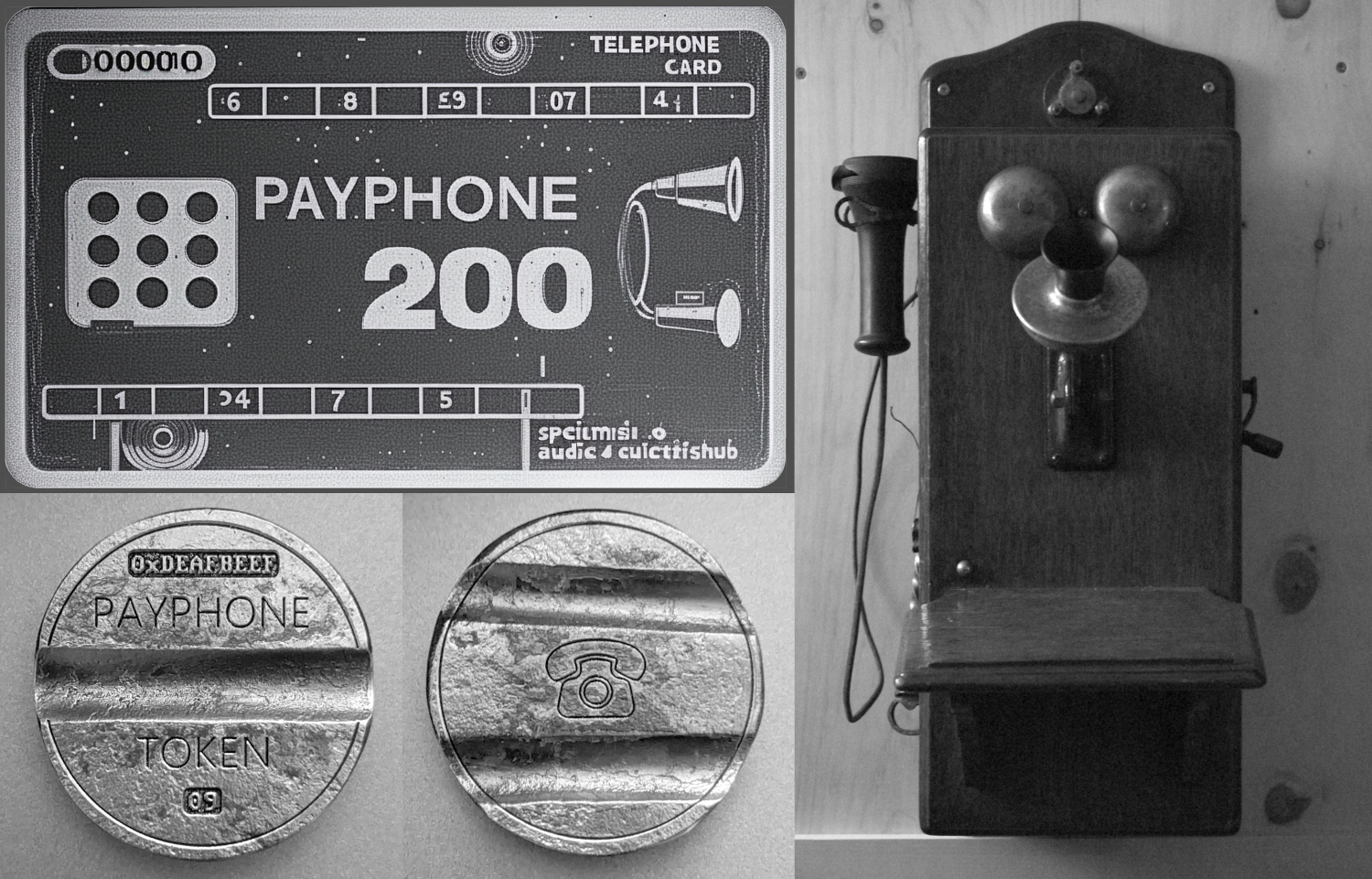
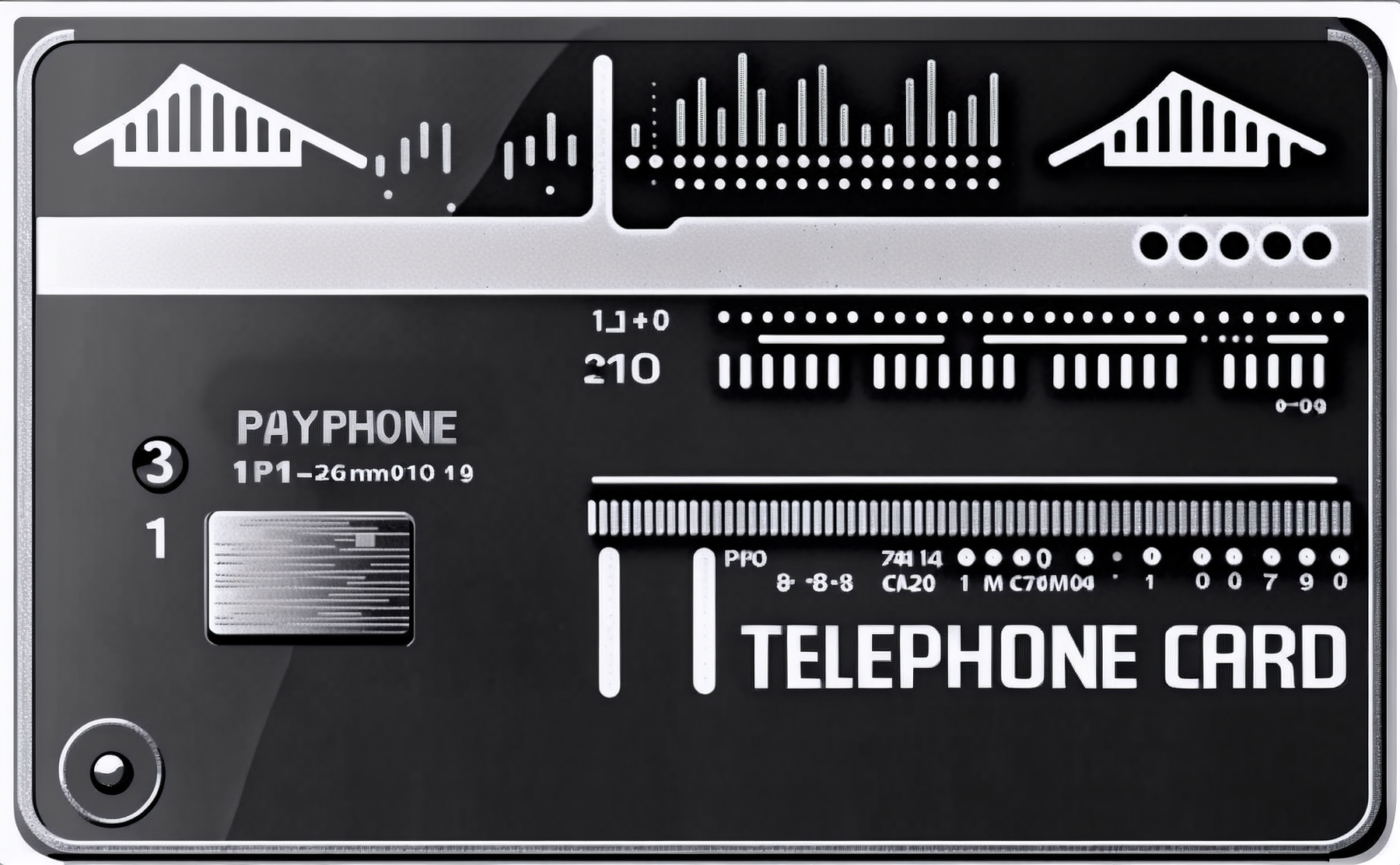
The role that sound plays in PAYPHONE is a little different. Here it's specifically about speech as communication, and as an element of transactions. That idea intertwines with communication technology from telephony to the internet, and, most recently, blockchains as transactional networks. Some influences and references in PAYPHONE include László Moholy-Nagy's Telephone Pictures, Max Mathews' digital speech synthesis, and the event scores of Yoko Ono, who I'm extremely honored to share this exhibition with.
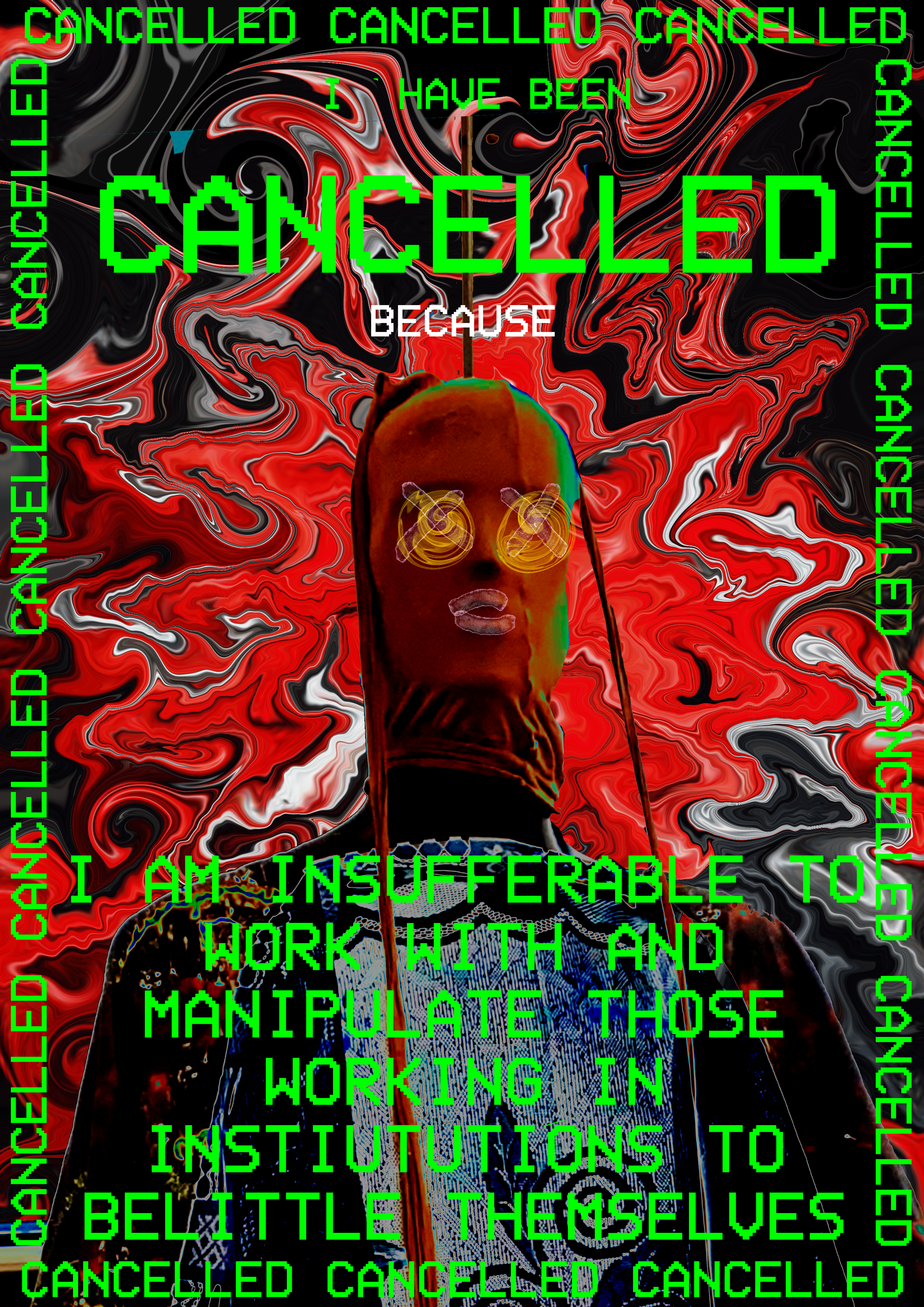
Danielle Brathwaite-Shirley: Right now I’ve been inspired by the sound design in a lot of the PS2 games I've been playing: ECHO NIGHT: BEYOND, Siren, Phase Paradox, and Kingdom Hearts. The sound design in these games is almost a cheat code, setting the terms of engagement. The sound tells me how I should approach it, and how the work itself is approaching me. Within my practice I have strict limitations on how sound is made. It's always made in a single sitting and isn't about achieving perfection, but instead about capturing the root of a feeling, mistakes and all.
Tommy Martinez: Lately I’ve been interested in the many new ways that sound can exist on the internet. When we think of a record release, whether we imagine something physical or digital, we tend to think of something that is pre-recorded and unfolds over a fixed amount of time. With this project, and with a lot of the other generative audio works I make, I was interested in something that could be unique each time it was listened to. In this particular piece, it was also interesting to think about how the listener could interact with the piece, and help shape it, as they were listening.
The medium of the internet, and the culture surrounding web3 specifically, has been really welcoming of this kind of experimentation. It’s not a type of work that can exist easily in other frames or musical contexts, which is why we were excited by this project with Feral File and MoMA, two institutions that have long been advocates for artists rethinking medium and form.
When American and I first started developing the piece as a live performance, and as something that would eventually be recorded, we realized that the song could unfold in wildly different directions each time we played it. And while we were excited to record the piece as a document of our collaboration, the audiofile only provides a small window into the wide range of textures that are explored through performances of the work. In this interactive and generative web version, we are able to capture some of that dynamic energy that was lost when committing the piece to a static file.
Most of the works in SOUND MACHINES invite audience or collector participation in some way. Do you feel participation and collaboration is important to the experience of sound? Why did you choose to make your work interactive?
0xDEAFBEEF: Yes, sound is communication. Shared experience is central to its meaning. Similarly, programmable blockchains have a unique affordance in structuring participation.
PAYPHONE is interactive to give myself an excuse to play meaningfully. In today's world, it can be hard to give yourself permission to do strange things with no apparent productive purpose. I'm excited to be challenged to make sounds by whatever means the audience comes up with: silly, serious, inventive, extreme. When else do you get that opportunity to richly explore with a supportive audience? I feel very fortunate.
Danielle Brathwaite-Shirley: For a long time, audiences have gotten off lightly when taking in art. The art often has been made for them to consume for their own pleasure, at their own speed, and at the time they desire. I feel that when you ask the audience to interact with the work, the work isn't fully activated until the viewer does some work to complete the piece. “YOU NEED TO PUT WORK IN. THE WORK WILL RESPOND TO YOU. BE HONEST WITH THE WORK AND IT WILL BE HONEST BACK. YOU MAY FEEL UNCOMFORTABLE.”

If you had to identify a favorite sound, what would it be?
0xDEAFBEEF: Sounds of my children, in all their forms. One of my kids had this way of "singing" by breathing inward instead of out. It's exceptionally loud and grating and very funny. But he can't do it anymore after growing a bit. Of course, these days with our phones we have the option to record video of everything. But if I had to choose, I'd much rather keep audio recordings of them during their early years rather than photographs.
Danielle Brathwaite-Shirley: I love a good choir harmony, or a Paul stretched voice, or the Atari text-to-speech synthesizer, or the crackle of a VHShs tape, or the boot-up sound of a PS1.
About “PAYPHONE” from 0xDEAFBEEF
About "Integrity Protocol/Lower Limb Lecture" (2024) by American Artist & Tommy Martinez