
Fear and Loathing in BOOM TOWN
14 December 2022
Fear and Loathing in BOOM TOWN
On the occasion of the solo exhibition BOOM TOWN, artist Peter Burr and curator Julia Kaganskiy discuss virtual town planning, the influence of MacPaint and SimCity, and time on the blockchain.
You talk about BOOM TOWN as a kind of virtual town in the metaverse that is vacant at the start of the exhibition, but populated over time by those who collect the works. What does it mean to be a citizen of BOOM TOWN?
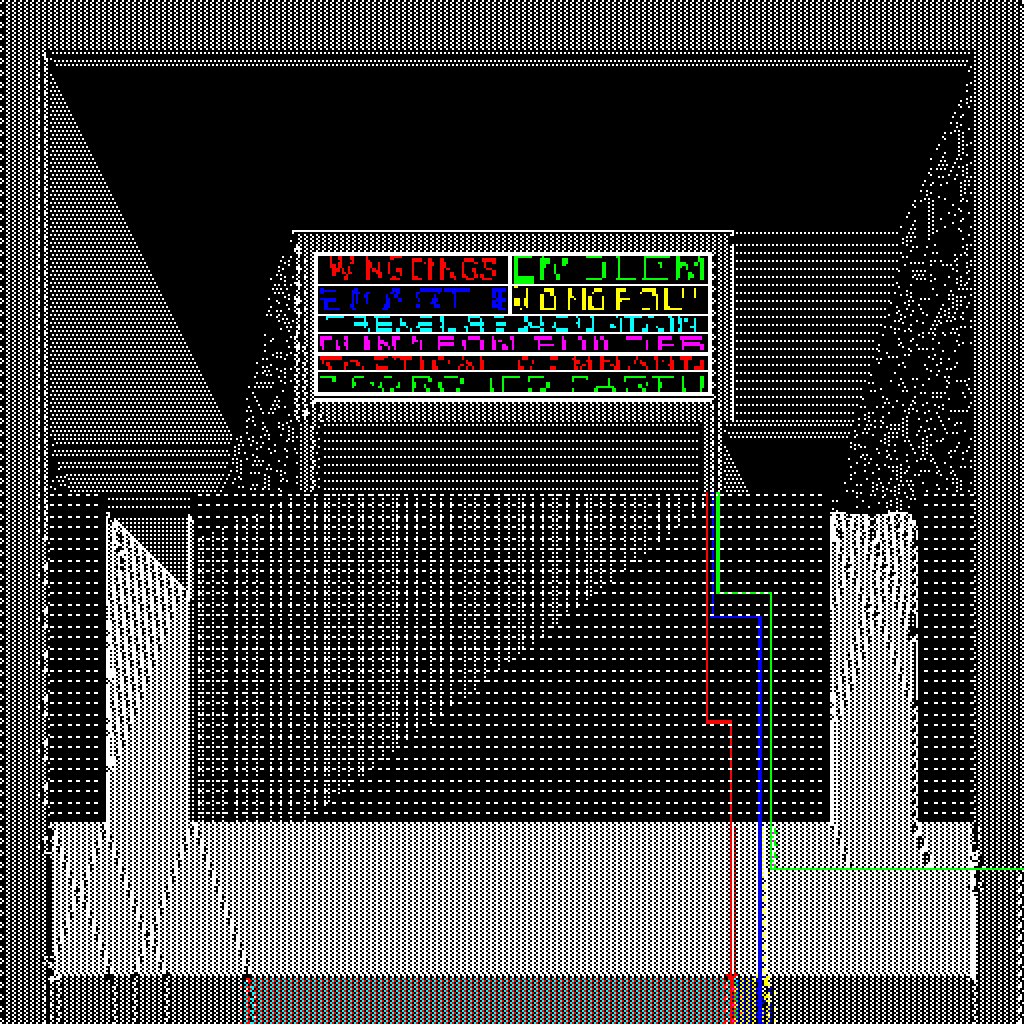
Haha, I love this question… I like thinking about the first time I went to silicon valley — it was a few years ago visiting a friend who was hired to work on some VR projects at Facebook, who had invited me down to eat a free lunch with him. Facebook’s campus was kind of incredible in the way it actually felt like a super tidy town square with a giant LED billboard in the center where it was rumored to be the nexus for occasional company-wide inspirational lectures by the chief. I don’t know why it took me so long to understand this, but it was there that I realized Silicon Valley was a purely notional place. Does it even exist on a map? It certainly exists in spirit. The idea of Silicon Valley previously conjured in me a dry desert expanse with a glassy set of cities sprawled along its valley floor with a not so distant mineral extraction operation providing the silicon for our technologies. It was there at Facebook headquarters, eating some decent curry and drinking a complimentary kale smoothie, that I realized how wrong I was with that geological daydream.
In a similar way as having a both pleasant and toxic feeling while hanging with my friend in his corporate headquarters concealed as a cozy town square with free smoothies, being an inhabitant of BOOM TOWN feels complicated. Populating this place is about believing in it, selling it, and maintaining the idea that it has value despite the fact that it seems like a backlot.
I think the clock at the center of BOOM TOWN is an interesting place to look at as a way to understand stakeholders’ quiet dance of citizenry. Time only passes as long as we continue writing on Ethereum’s digital ledger. So in a way, our belief in this town is measurable by the blockchain sustaining its ability to age and operate on something that used to feel like the laws of the universe, but now we call the metaverse.
You’re currently spending quite a lot of time in BOOM TOWN as you work on the show. What is it like to be the sole inhabitant? If you were to take us on a walking tour around town, what might you point out about some of the key sites?
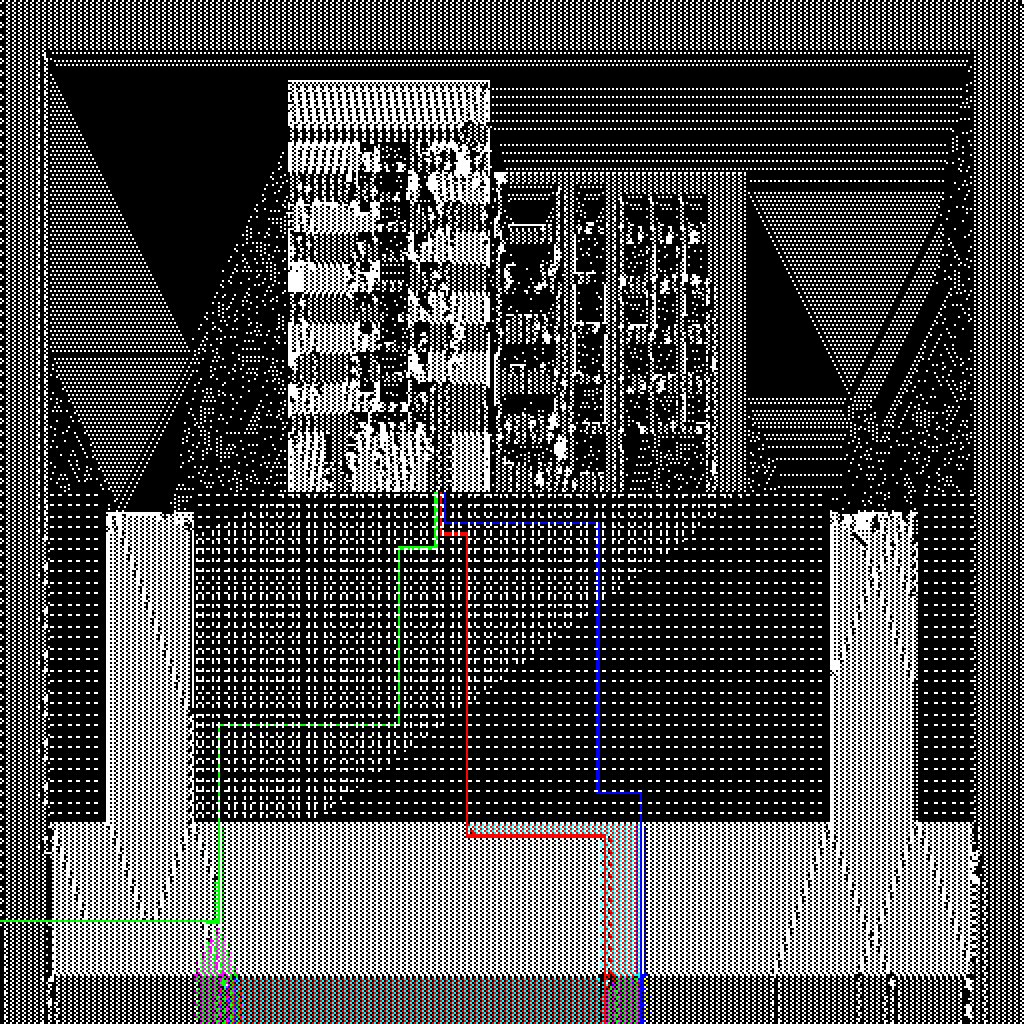
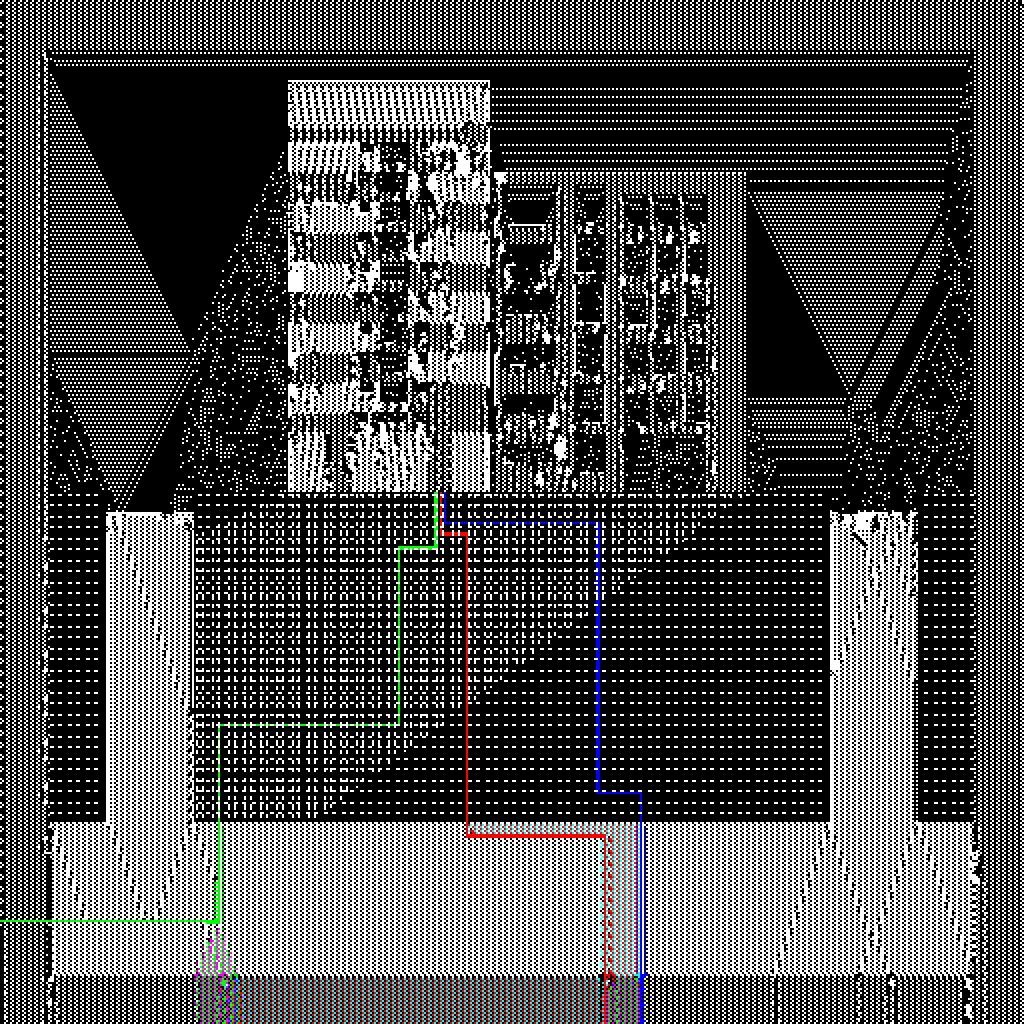
Currently I feel like a lonely god who hit the pause button on their pocket universe and is scurrying around sweeping streets and mounting shutters on the apartment windows while they wait to unpause — for BOOM TOWN to open and its clock to start ticking. It’s strange here without people. Flat and stark… partially modeled off a town in southwestern Poland where I spent some weeks this year…. a town that was heavily bombed in WWII and rebuilt with a distinct Modernist flair on top of the ruined earth.
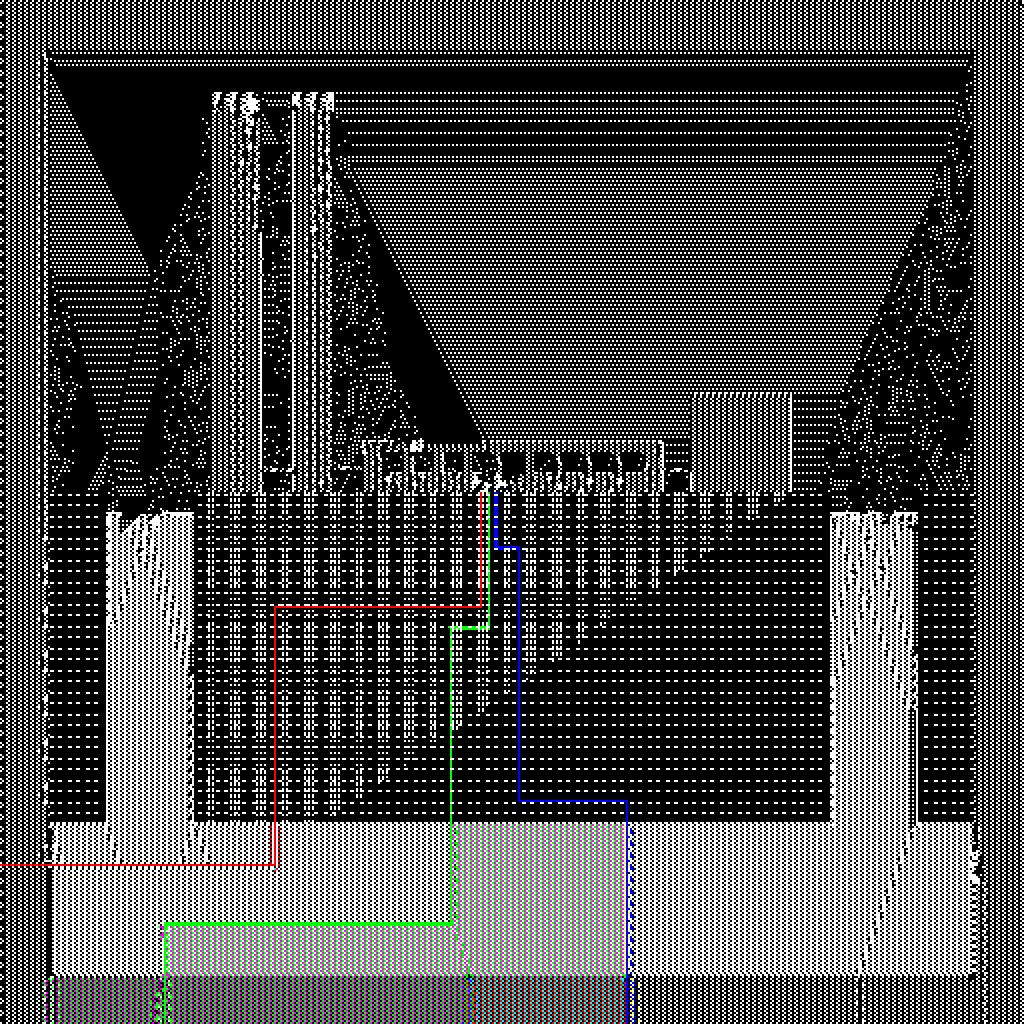
On the outskirts are two large structures — on one end of town sits a power plant sustaining the pulse of the place. On the other end is a luxury home with a sweet infinity pool built into its low western balcony. Between these large bookending structures spans a multitude of middle class living, including office space, shopping zones, and just enough apartment blocks for people to sustain our small town. BOOM TOWN isn’t meant for everybody, and I wonder if its scarce chance of expansion will cause the real estate values to skyrocket and early landlords reap great benefits. That was the mood when this town went under construction six months ago, anyway.
You’ve developed a really distinct, signature visual style that is obviously in dialogue with the early 8-bit video games you grew up playing, but it also seems to be intimately concerned with the materiality of digital media — its technical limitations, its artifacts. How did you start to develop your aesthetic and the intricate process you now use to create works like BOOM TOWN?
I’m not actually sure if I developed this aesthetic or if it developed me. In the early ’80s, I lived with a computer in my bedroom — an Apple IIe….. green and gray cathode ray tube, beige box. I enjoyed playing in the haunting gamespaces of that computer, and when my family eventually upgraded to a black and white Macintosh I was introduced to a couple new games that I think secretly trained me how to be a digital artist: MacPaint and SimCIty.
About technical limitations — I find it interesting how the limited palette of MacPaint forced me to think in terms of pattern-making as a proxy for color. SimCity taught me how to feel like a god, and one of my favorite things to do in that game was to build a bustling town and send in their 10-story monster to watch how it ripped paths through the grid.
About a decade ago, I found an emulator to revisit these old games and I was struck by how different they felt on modern technology… how the glow of phosphor in our old cathode ray tubes was replaced with the crispy precision of liquid crystal… how the pixels looked so crunchy and the blacks and whites felt so cold. BOOM TOWN’s aesthetic was born out of my interest in pushing these translations further. In designing an artwork that’s meant to continuously evolve over a decade, I think a lot about how unstable the material of digital media is. I’m curious how these pieces will look when we finally get those holographic displays Gene Youngblood promised us 50 years ago.
Video games are an enduring reference point and influence on your work, and I know you’re also currently in a PhD program in Critical Game Design. Do you think of BOOM TOWN as a kind of game? If so, what kind of game is it? And how do we play?
In the academic discipline of game studies, there’s this idea of “the magic circle” that people like to talk about. The basic idea is that games exist both inside and outside of reality — in a liminal space where the messy logic of life is temporarily simplified for the goal of playing at it. People who cheat at a game are still operating inside this magic circle, but a full-on spoilsport breaks this circle and forces a leakage that I find really interesting.
Having observed and engaged with the burgeoning world of crypto speculation, I think of BOOM TOWN as a game in the same way that I thought of games as I watched many of my friends get rich last year playing the boom bust curves of various coins on their cell phones. It’s complicated though, as the recent market crash and dissolution of some of these gaming platforms has spoiled the fun, revealing a few very rough edges to that boundary between gaming and living.
You’ve previously said to me that “time is the main character in this work.” Time is, of course, an essential component of time-based media art, which, it’s often said, is better understood as a performance or an event, rather than an object like a painting or sculpture. Unlike a film or animation, however, BOOM TOWN is actually shaped by the passage of time — and not just any notion of time, but by the specific temporal order of block time. Why did (block) time feel like such an important element to spotlight with this work?
While I was building BOOM TOWN I had this realization that I’ve been using my art practice to escape reality as it stands right now… to project myself into an unknown future by designing these moments that won’t be visible for many years, if at all. Block time, specifically, is interesting to me because of how precarious it feels. I can say with confidence that December 14th, 2032 will come a decade from now, but as soon as I shift my calendar onto the blockchain I am not so sure when that date will hit. Block Time introduces an atmosphere of precarity to something that once felt like a stable constant. This atmosphere is at the center of BOOM TOWN — a town built on the hillside of a virtual strip mine fueled by machines of automated trust.



