

Group Exhibition
25 September 2024
News
hasaqui連載 第一回 日本の黎明期コンピュータアートを再考する
Group Exhibition
In 1967, sitting in a café in Tokyo, Shuzo Takiguchi, explained to me the principles underlying the experimental workshop, Jikken Kōbō, whose work had been inspired by his ideas in 1951. "What is important," he said, "is experiment." In art, as in science, experiment may not succeed but this doesn’t matter. It may lead to something or may not, but it opens doors. And indeed, the work produced by the group, which included artists, musicians, theater designers and performers, is the best-known movement of the Japanese avant-garde. Most of the participants in the experimental workshop had no formal education in the field that would have prepared them for the branch of art they became known for. Thanks to Jikken Kōbō, we were introduced to the possibilities of who could be an artist and what could be art. Today, the ideas that were outside the hub of art have gradually become a part of it. This has come about without any decision or announcement. It happened partly with the availability of new technology, and especially the computer, and the people who could use it. The new art that emerged from it, whether as images, music, or film, became interactive very quickly. And with this, the definition of who could be or is an artist has also changed, as has how art could be treated.
We couldn’t predict what new art would be like. Who could have anticipated non-fungible tokens with certified contracts, or immersive environments responding to visitors and ending up as decorations on tables in restaurants. As our various possibilities of creating forms of art become increasingly inventive, so artists will continue to use AI programs to produce them. Today, according to the Computer Arts Society, there is concern about the predictions that AI will produce, validate, and sell its own art without any human involvement. But would this be a problem?
We won’t be asked our opinion about such a new development, but one of several questions will confront us. Would we know the difference between human artists’ art and that of AI? Today, the experiment that Takiguchi so warmly recommended could have something to do with the acceptance of art that wasn’t made by us, even though we could not judge or understand its purpose. We, at the receiving end, must remember that this was the case with just about every experimental avant-garde art movement at the beginning. Perhaps in this way not so much has changed, because to recognise something as a work of art is not a new problem.
And here are parallels between the world of science and the world of art, both artists and scientists deal with thingless events that are impossible to examine. Take Schrodinger’s quantum mechanics superimposition with the cat, in the box with a vial of poison, that can be simultaneously alive and dead. This can also apply to manifestations that may or may not be works of art. Recognition of a new work of art could be based on increasingly difficult decisions, and this can take a great deal of time, years, or decades. Since the 1960s, both artists and AI have used code, but human art is based on a life lived which cannot be replicated. So far at least AI, despite its knowledge of facts of life and of art’s history, may not be able to produce those qualities of strangeness and familiarity on which all art depends. Since the 1960s, human media art has developed. Now it is generative and interactive, a community and a movement, whose ideas grow outside of any convention imagined before blockchain and NFTs. When AI informs us that it is making its own art, and perhaps it has done so already, we will look at it with interest, following Takiguchi’s advice. It is, after all, an experiment. We may not be able to consider its creative manifestations in the same way as human art since its evolution is so entirely different. But, there is, and there will be, significant collaboration, as artists continue to be involved, as they always have been, with whatever technologies and experiments become relevant.
This new experimental aesthetics, first of all, should define the aesthetic universe of [a] work of art. 1 (Hiroshi Kawano)
The roots of generative art lie as much in Japan as they do in the West. This was recognized in 1968 in two exhibitions curated by Jasia Reichardt at the ICA in London: Fluorescent Chrysanthemum and Cybernetic Serendipity, with the latter situating the Japanese Computer Technique Group (CTG) as part of a global community of computer artists.
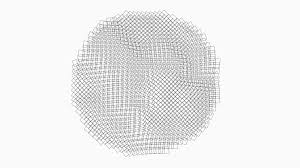
In fact, it was a philosopher Hiroshi Kawano (1925-2012) who pioneered computer art in Japan, expressed through his writings on computational aesthetics and early experiments with an OKITAC 5090A computer at the University of Tokyo. Patterns of Flow references one of Kawano’s earliest explorations of graphical calculation, and pays tribute to someone who was, in Reichardt’s words, “ahead in all directions.” Thanks to the NFT as a technology as well as the global profile of the Processing community, a new generation of Japanese creative coders is currently elaborating on the aesthetic universe once imagined by Kawano.
Simulating the Human
Kawano aimed to establish a new aesthetic grounded in information theory and cybernetics. Influenced by the writings of Max Bense (1910-1990) and others, his vision was not for a “computer-aided art” that would expand human creativity, but rather a “creative act where the computer itself thinks freely, much like a human.” 2 To achieve this aim, he devised the so-called “K-System,” comprising an “eye” that receives an input image as a sequence of pixels, a “brain” (generative subsystem) that analyzes and reconfigures it into a new image, and a “hand” that crafts a physical output. He used this system to produce such major works as Series of Pattern: Flow (1964), and Simulated Color Mosaic (1969). In patterning human creativity according to computer calculations — a practice he termed “artistic simulation” — Kawano’s approach challenged the Western conception of art as a rigid domain of the human. 3 At a time when human creativity (and generative art) increasingly involves machine learning, his ideas are more resonant than ever.
Efforts to connect Kawano’s concepts to the present have been carried forward by a small number of dedicated individuals, while numerous exhibitions have cemented Kawano’s legacy in Japan. These include: ARTS ON COMPUTER at O Art Museum (1987), 20th Century Computer Art: Beginnings and Developments: The work and thought of pioneers and contemporary practitioners of algorithmic art at Tama Art University (2006), and Reinventing Image-Making at Tokyo Photographic Art Museum (2022). With the output space of generative art growing increasingly saturated, Patterns of Flow returns to the source of Kawano’s experiments to chart an alternative path.
Patterns of Flow
As the product of a global movement rooted in digital geography, it is hard to identify new generative aesthetics that are unique to Japan. Nevertheless, notable figures have emerged to disrupt the space of generative art. All of the artists participating in this exhibition — including Satoshi Aizawa, Saeko Ehara, Misaki Nakano, mole^3, Okazz, Senbaku, Shunsuke Takawo, Kaoru Tanaka, Kazuhiro Tanimoto, and ykxotkx — have established their own connections with Kawano’s creative imaginary. The result is a series of long-form projects that reflect Japan as an emergent field. Like the experimental workshop, Jikken Kōbō, which united artists, musicians, theater designers, and performers with an interest in new technology — this microcommunity is defined as much by hybridity as its love of code as a creative medium.
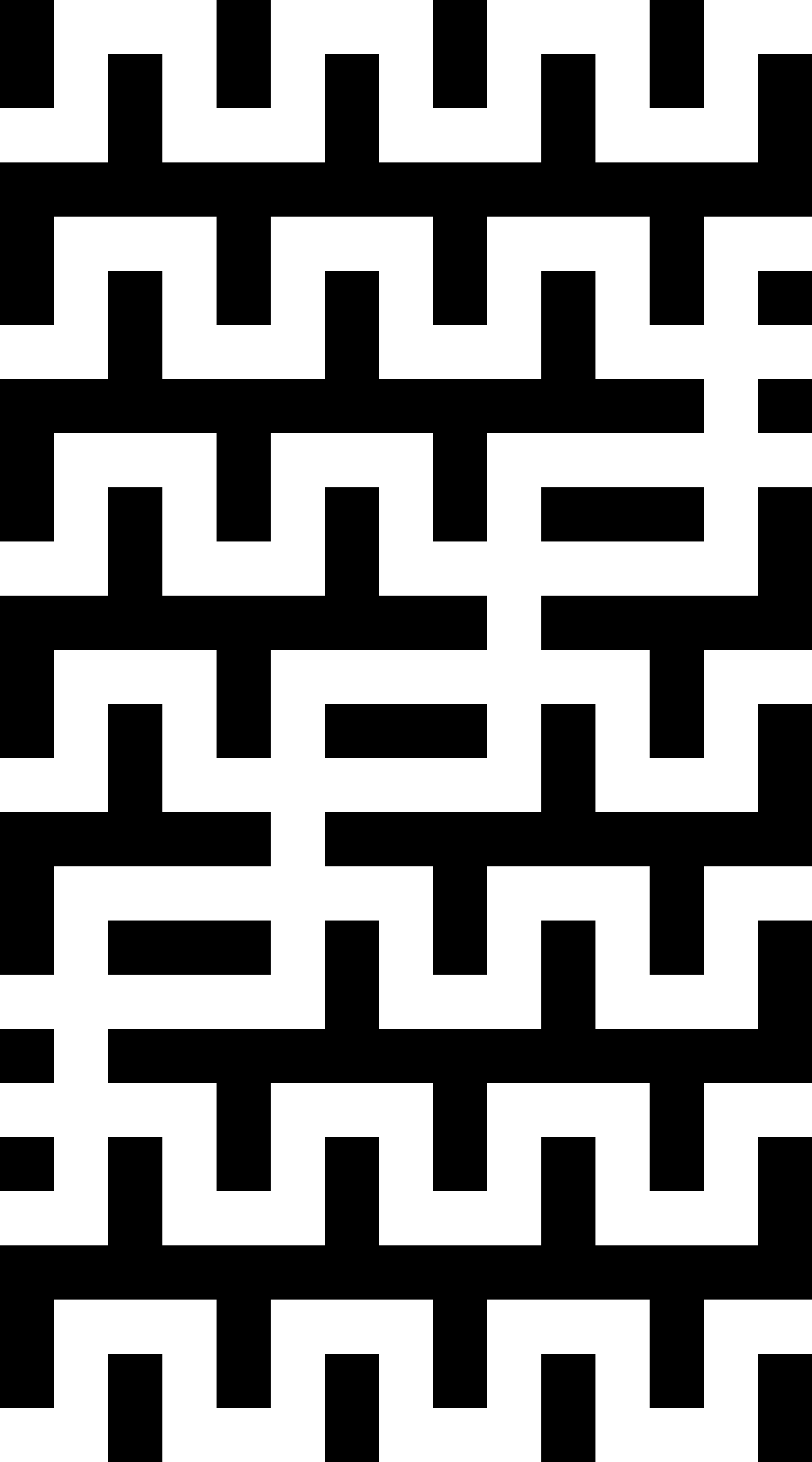
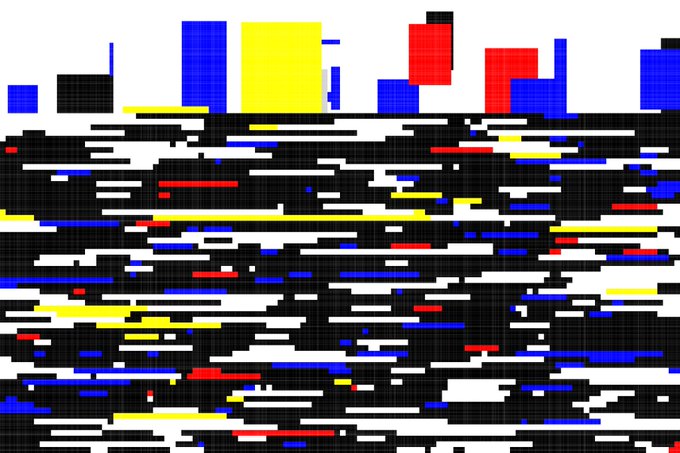
Among the artists, Shunsuke Takawo has played an essential role in engaging the new generation of creative coders with the legacy of Hiroshi Kawano. An advocate of daily coding, he has been using the open-source tool p5.js to make generative art since 2019. If the work of artists is the product of a lifetime, then Takawo’s outputs are closer to haikus or tankas that express fleeting emotions or the wonder of nature. Like sketching in oils, daily coding is not preoccupied with perfection so much as improvisation and the creative potential of recursive procedure. When established as a habitual practice, generative art becomes a world in flux, each output a new possibility among many. The artists participating in this show embrace daily coding, using and reusing algorithms in a form of bricolage on the blockchain. They have also adopted the vertical format, which calls to mind Kawano’s Simulated Color Mosaic as well as kakejiku (“hanging scrolls”).
In Kawano’s 2009 book, The Emergence of Network Aesthetics, published just three years before he died, he described a method of independent, flexible, and improvisational creation that was “comprehensive from below” — a process whereby the world reveals itself as a result of autonomous actions by independent agents. Here was a model of human consciousness emerging from dynamic, pluralistic networks, as well as a primitive form of beauty. With daily coding, every day is a unit whose creative output exists on its own terms and as the basic digital material for further creation: the source of larger systems. In a space where consciousness is no longer defined by old white walls, creativity has no conclusion.
Patterns of Flow is Feral File’s first hybrid exhibition, running online and in physical space at NEORT++ in Tokyo from September 25 – October 6, 2024. The show features works by contemporary artists alongside those of Hiroshi Kawano courtesy of Tama Art University Museum. It is accompanied by a special essay by Jasia Reichardt. The exhibition is made possible thanks to the support of Noriaki Nakata and NEORT++ with research by artist and researcher Hasaqui Yamanobe.
1. H Kawano, ‘The Aesthetics for Computer Art’ in B Kelemen and R Putar (eds.), bit 2 international. computers and visual research, Galerije grada Zagreba, Zagreb, 1968, 27.
2. H Kawano, Informatics of Art, Shinyosha, Tokyo, 1972, 292.
3. Ibid. 250-251.
「この新しい実験的な美学は、まず第一に、芸術作品の美的宇宙を定義すべきである。(川野洋)」
ジェネラティブアートのルーツは、西洋と同様に日本にも存在します。このことは、1968年にロンドンのICAでJasia Reichardtがキュレーションした2つの展覧会「Fluorescent Chrysanthemum(蛍光菊)」と「サイバネティック・セレンディピティ」で認知され、後者の展覧会では、日本のComputer Technique Group(CTG)がコンピュータアートの国際的な舞台で紹介されました。
実際、日本におけるコンピュータアートの先駆者は、哲学者の川野洋(1925-2012)であり、彼は計算美学に関する著作や、東京大学でのOKITAC 5090Aコンピュータを使った初期の実験を通じてそれを体現しました。「Patterns of Flow」は、川野が最初期に行ったグラフィカルな計算の探求のひとつを参照しており、Jasia Reichardtの言葉を借りれば、「すべての方向において先んじていた」彼に敬意を表します。NFTという技術と、Processingコミュニティの国際的な広がりの影響により、日本の新しい世代のクリエイティブコーダーたちは、かつて川野が想像した美学的宇宙を、現在さらに発展させています。
人間のシミュレーション
川野は、情報理論とサイバネティクスに基づいた新しい美学の確立を目指していました。彼のビジョンは、人間の創造性を拡張する「コンピュータ・エイデッド・アート」ではなく、「コンピュータ自身が人間のように自由に思考をはたらかせるところの創造的行為」に向けられていました。そのために彼は、「K-System」と呼ばれる仕組みを考案しました。このシステムは、入力画像をピクセルの列として受け取る「目」、それを分析して新しい画像に再構成する「脳」(生成サブシステム)、そして物理的な出力を作り出す「手」から構成されています。このシステムを使って、彼は『Series of Pattern: Flow』(1964)や『Simulated Color Mosaic』(1969)などの重要な作品を制作しました。コンピュータの計算に基づいて人間の創造性をパターン化するという、彼が「芸術的シミュレーション」と呼んだこの手法は、芸術を人間固有の厳密な領域とみなす西洋の概念に挑戦するものでした。人間の創造性(およびジェネラティブアート)が機械学習をますます活用する現代において、彼の考えはかつてないほどの共鳴を引き起こしています。
川野のコンセプトを現代に結びつける努力は、少数の献身的な個人によって続けられており、日本における川野の遺産を確固たるものにする展覧会が開催されてきました。その中には、O美術館での「ARTS ON COMPUTER」(1987)、多摩美術大学での「20世紀コンピュータ・アートの軌跡と展望-現代アルゴリズム・アートの先駆者・現代作家の作品・思想-」(2006)、および東京都写真美術館での「Reinventing Image-Making」(2022)などがあります。ジェネラティブアートの表現領域がますます飽和する中、「Patterns of Flow」は異なる道を切り開く川野の実験の源に立ち返ります。
流れのパターン
デジタル空間に根ざしたグローバルな運動であるジェネラティブアートにおいて、日本独自の新しい美学を特定することは困難が伴います。それでもなお、ジェネラティブアートの領域を変革する特異点のようなアーティストたちが現れてきました。この展覧会に参加するすべてのアーティストたち、たとえばSatoshi Aizawa、江原彩子、Misaki Nakano、mole^3、Okazz、Senbaku、髙尾俊介、田中薫、Kazuhiro Tanimoto、ykxotkxなどは、川野の創造的なイマジネーションと自らの繋がりを築きました。その結果、日本を新たな領域とするロングフォームのプロジェクトシリーズが生み出されたのです。新しいテクノロジーに関心を持つアーティスト、音楽家、舞台デザイナー、パフォーマーが集結した実験工房のように、コードを創造的なメディアとして愛するこの小さなコミュニティには多様性の融合という特徴があります。
参加アーティストの中で、髙尾俊介は川野洋の遺産と新しい世代のクリエイティブコーダーたちを結びつける重要な役割を果たしてきました。彼は「デイリーコーディング」という概念を提唱しており、2019年からオープンソースツールのp5.jsを用いてジェネラティブアートを制作しています。もし芸術家の作品が一生の産物であるとすれば、髙尾のアウトプットはむしろ一瞬の感情や自然の美を表現する俳句や短歌に近いと言えます。油絵のスケッチのように、日々のコーディングは完璧さよりも、即興性と再帰的な手続きの創造的な可能性に重きを置いています。これが習慣的な実践として確立されれば、ジェネラティブアートは変動する世界となり、それぞれのアウトプットは、多くの可能性の中の新たな可能性となります。この展覧会に参加するアーティストたちは、デイリーコーディングを受け入れ、ブリコラージュの形でアルゴリズムを使用および再利用し、ブロックチェーン上で作品を発表しています。また縦長フォーマットの採用は、川野の「Simulated Color Mosaic」や掛軸を連想させます。
川野が2009年に出版した著書『ネットワーク美学の誕生』では、彼は独立した柔軟で即興的な創造の方法を「下からの綜合」と名付けました。それは、独立したエージェントによる自律的な行動の結果として世界が姿を現すプロセス、動的で多元的なネットワークから生まれる人間の意識のモデルであり、原始的な美の形です。日々のコーディングにおいて、毎日はそれ自体が創造的な出力を持つ単位であり、それはより大きなシステムの源でもあります。それはより大きなシステムの源泉です。旧来の白壁によって定義されることのないその空間では、創造性には終わりがありません。
『Patterns of Flow』は、2024年9月25日から10月6日まで、東京のNEORT++で開催されるFeral File初のハイブリッド展覧会で、オンラインと物理的な空間で行われます。この展覧会では、現代アーティストの作品とともに、多摩美術大学美術館所蔵の川野洋の作品も展示されます。また、Jasia Reichardtによる特別エッセイも掲載されます。この展覧会は、アーティスト兼研究者であるHasaqui Yamanobeのリサーチに基づき、中田宜明とNEORT++の支援により実現しました。
Artist
Satoshi AizawaSatoshi Aizawa is a generative artist interested in the beauty that can be found in autonomous systems and algorithms. In order to express this beauty in its purest form, his works often have a minimalist appearance and mechanism. They are characterized by the removal, as much as possible, of higher-dimensional meanings related to humanity and culture. Communication with the work is made possible through the primitive cognition that being human affords. Aizawa’s best-known work is his Path series, comprising looped animations in which lines draw shapes, originally released on Hic Et Nunc.
Satoshi Aizawaは、自律システムやアルゴリズムに見出される美に興味を持つジェネラティブアーティスト。その美の形を最も純粋な形で表現するために、その作品はしばしばミニマリストな外観とメカニズムを持つ。その作品の特徴は、人間性や文化に関連する高次の意味を可能な限り排除している点。作品との対話は、人間が持つ原始的な認知能力を通じて可能になる。代表的な作品としてHic Et Nuncからリリースされた線が形を描くループアニメーション「Path」シリーズがある。
Artist
Saeko EharaLocationTokyo
Saeko Ehara is a kira-kira (“sparkling”) artist and VJ based in Tokyo whose recent works explore the combination of AI with generative art. Her inspiration derives from the joys and memories of her childhood. She developed a love of drawing at an early age, collecting kira-kira cards of her favorite anime, as well as stickers, toys, acrylic jewels, small glassworks, and illustrated books of flowers. Her work has been exhibited globally, including at dialog(), Tokyo (2024); Vivid Sydney (2024); Bright Moments Tokyo (2023); Solo exhibition at Theatre of Digital Art, Dubai (2023); and Noor Riyadh (2022).
江原彩子は、東京を拠点に活動する「キラキラ」アーティスト&VJ。彼女のインスピレーションの源は、幼少期の喜びや思い出にある。幼い頃から絵を描くことに興味を持ち、お気に入りのアニメのキラキラカードや、ステッカー、玩具、アクリルの宝石、小さなガラス細工、花の絵本などを集めていました。彼女の作品はdialog()(東京、2024)、Vivid Sydney(2024)、Bright Moments Tokyo(2023)、Theatre of Digital Artでのソロ展示(ドバイ、2023)、Noor Riyadh(2022)など世界中で展示されている。
Artist
mole^3LocationJapan
mole^3 is a printmaker and visual artist who creates works using open data, images, sound, and generative art, as well as woodblock prints. She views coding as a form of printmaking and on-screen outputs as the equivalent of physical prints. In this way, her work develops an expanded understanding of printmaking. Her work has been exhibited at the Sompo Museum of Art and the NTT InterCommunication Centre [ICC] in Tokyo, as well as in collaboration with the Yamaguchi Center for Arts and Media [YCAM].
mole^3は、オープンデータ、画像、音、生成アート、そして木版画を用いて作品を制作する版画家およびビジュアルアーティスト。彼女は、コーディングを版画の一形態と捉え、スクリーン上の出力を物理的な版画と同義とみなしている。このように、彼女はその作品で版画制作に対する理解の拡張を試みている。東京の損保美術館やNTTインターコミュニケーション・センター[ICC]で作品が展示されているほか、山口情報芸術センター[YCAM]との共同制作も行っている。
Artist
Misaki NakanoLocationTokyo
Misaki Nakano has been working as a WebGL developer since 2016, and is currently part of the GitHub branding team. She is responsible for implementing WebGL for corporate branding sites, simulations, and data visualization. As an artist, she has collaborated with Sputniko! as well as with the virtual human imma for Bright Moments in London and New York.
Misaki Nakanoは2016年からWebGL開発者として活動しており、現在はGitHubのブランディングチームに所属。企業のブランディングサイト、シミュレーション、データビジュアライゼーションにおけるWebGLの実装を担当。アーティストとしては、Sputniko!やバーチャルヒューマンのimmaと共に、ロンドンやニューヨークでのBright Momentsでコラボレーションを行っています。
Okazz is a Japanese generative artist and creative coder who uses p5.js in the production of his work. Inspired by Japanese anime and manga subcultures, he is best-known for designing KUMALEON, a character-based project that combines generative art and PFPs. He has exhibited at Bright Moments, dialog(), and NOX Gallery, Tokyo.
Okazzは、作品制作にp5.jsを使用する、日本のジェネラティブアーティストでありクリエイティブコーダー。日本のアニメやマンガのサブカルチャーに影響を受けており、特にジェネレーティブ・アートとPFPを組み合わせたキャラクター・ベースのプロジェクトKUMALEONの作家として知られています。代表的な参加展示には、Bright Moments、dialog()、NOX Galleryなどがある。
Senbaku is a creative coder and generative artist based in Japan with a background in folklore studies. She uses p5.js to depict city dwellers as sheet ghosts, creating works themed around their diverse inner lives. In 2021, she released NFT works using function draw() and OpenProcessing’s Crayon Codes and has since exhibited with KUMALEON and as part of Proof of X — Blockchain As A New Medium For Art (2023).
Senbakuは、日本を拠点に活動するクリエイティブコーダー/ジェネラティブアーティストで、民俗学の背景を持つ。彼女はp5.jsを使用して都市生活者をシートゴーストとして描き、彼らの多様な内面をテーマにした作品を制作。2021年には、function draw()とOpenProcessingのCrayon Codesを使用したNFT作品を発表し、その後、KUMALEONと共に展示を行ったほか、「Proof of X — Blockchain As A New Medium For Art」(2023年)でも作品を発表しています。
Artist
Shunsuke TakawoLocationKobe, Japan
Shunsuke Takawo is a prominent creative coder, generative artist, and educator based in Japan. Having obtained his Masters degree in Media Arts from IAMAS, Takawo combines his passion for coding and artistic expression to create captivating works. He is a firm advocate of daily coding, using code as a means to express personal history, culture, and everyday life. Takawo’s creative approach mirrors improvisational music, infusing elements of wordplay and humor into his code-based creations. Beyond his artistic endeavors, Takawo is a lecturer at Konan Women’s University’s Department of Creative Media Studies, and an active member of the Processing Community Japan.
髙尾俊介は、日本を拠点に活動する著名なクリエイティブコーダー/ジェネラティブアーティスト、教育者。IAMASでメディアアートの修士号を取得した髙尾は、コーディングと芸術的表現への情熱を融合させ、魅力的な作品を生み出しています。彼はデイリーコーディングを強く推奨しており、コードを個人の歴史や文化、日常生活を表現する手段として活用している。髙尾の創作の手法は即興音楽に似ており、言葉遊びやユーモアの要素をコードベースの作品に取り入れている。芸術活動にとどまらず、甲南女子大学のメディア表現学科准で講師を務める一方、Processing Community Japanの活発なメンバーでもある。
Artist
Kaoru TanakaKaoru Tanaka is a Japanese generative artist whose work is inspired by nature, daily life, and dreams. Having started out producing design work using Adobe Photoshop and Illustrator, her experience of the artworks of John Maeda sparked an interest in creating art through programming. She has since produced work using both Processing and TouchDesigner. Most recently, she created 600 works for Shiseido’s digital art collection, Future Reflections, at Miami Beach, Florida, and exhibited at FEMGEN in Marfa, Texas. Tanaka’s commercial art commissions have included a custom exterior wrap for the new INFINITI QX80.
田中薫は日本のジェネラティブアーティストで、自然や日常生活、夢からインスピレーションを得た作品を制作しています。彼女はAdobe PhotoshopやIllustratorを使用してデザイン作品を制作することからキャリアをスタートさせたが、ジョン前田の作品に触れたことで、プログラミングを通じたアートの制作に興味を持つようになりました。それ以来、ProcessingやTouchDesignerを用いた作品制作を行っています。最近では、フロリダ州マイアミビーチで開催された資生堂のデジタルアートコレクション「Future Reflections」のために600点の作品を制作し、テキサス州マーファで開催されたFEMGENにて展示を行っています。コミッションワークとしては、新型INFINITI QX80の外装ラッピングのカスタムデザインなどがあります。
Artist
Kazuhiro TanimotoLocationJapan
Kazuhiro Tanimoto is a generative artist and chemist involved in material research and development. He uses the unique computational capabilities of computers to develop expressions that integrate physical and digital material, permanence and transience, and science and art. With a special focus on audio-visual expressions created with code, he depicts themes related to technology, nature, and the human mind. He has a PhD in engineering from Kansai University, and regards scientific research and art-making as intimately related activities. He has exhibited globally, including at the VA HUB, Taipei; NFT Rio, Rio de Janeiro; Art Blocks Gallery, Marfa; Tokyo International Forum, Tokyo; Arizona State University; Arroz Estúdios, Lisbon; and as part of The 21st Japan Media Arts Festival, Tokyo.
Kazuhiro Tanimotoはジェネラティブアーティストで、材料の研究開発に携わる化学者でもあります。彼はコンピュータの独自の計算能力を活用して、物理的な素材とデジタル素材、永続性と一時性、サイエンスとアートを融合させた表現を発展させてきました。特にコードを用いた音響視覚表現に焦点を当て、技術、自然、人間の心に関連するテーマを描いています。関西大学で工学博士号を取得しており、科学研究とアート制作を密接に関連する活動と捉えています。その作品は、VA HUB(台北)、NFT Rio(リオデジャネイロ)、Art Blocks Gallery(マーファ)、東京国際フォーラム(東京)、アリゾナ州立大学、Arroz Estúdios(リスボン)、および第21回文化庁メディア芸術祭(東京)など、世界各地で展示されています。
Artist
ykxotkxykxotkx is a creative coder and software developer based in Japan. His generative artworks rely on the meticulous depiction of motifs and scenes from the natural (and sometimes supernatural) world. He is especially focused on exploring painterly expression through code. His work has been exhibited internationally, including at Bright Moments Tokyo (2023), Nishikigoi NFT (2023), Unblock Gaudi (2022), and Art Basel Miami Beach (2022).
ykxotkxは、日本を拠点に活動するクリエイティブコーダーであり、ソフトウェア開発者です。彼のジェネラティブアートは、自然(ときには超自然)の中のモチーフや情景を緻密に描く様式を主軸に多彩な作品を発表しています。特にコードによる絵画的な表現を探求しており、最近の作品では描画対象の質感や手書き絵画風の筆運びをコードで表現することに情熱を注いできました。彼の作品は、Bright Moments Tokyo(2023年)、Nishikigoi NFT(2023年)、Unblock Gaudi(2022年)、およびArt Basel Miami(2022年)など、国際的に展示されています。
25 September 2024
News
25 September 2024
News
hasaqui連載 第一回 日本の黎明期コンピュータアートを再考する
25 September 2024
News
25 September 2024
News
hasaqui連載 第二回 日本の黎明期コンピュータアートを再考する
25 September 2024
News
25 September 2024
News
hasaqui連載 第三回 日本の黎明期コンピュータアートを再考する
28 April 2024
Close up
28 April 2024
Close up
The Dawn of Computer Art and 1968
by hasaqui
流れのパターン / Patterns of Flow smart contract:ethereum