
Always in Mutation
15 June 2022
Always in Mutation
A roundtable conversation from the artists of WETWARE
As Seu has shared, “Cyberfeminism cannot be reduced to women and technology. Nor is it about the diffusion of feminism through technology. Combining cyber and feminism was meant as an oxymoron or provocation, a critique of the cyberbabes and fembots that stocked the sci-fi landscapes of the 1980s. The term is self-reflexive: technology is not only the subject of cyberfeminism, but its means of transmission. It’s all about feedback.”
For the opening of WETWARE: Cyberfeminism Index Benefit Sale, Feral File and curator Mindy Seu held a series of conversations that brought together cyberfeminist artists and pioneers of the movement with artists and cultural workers involved in the NFT space. Eight of the artists participating in the show — Prema Murthy, Shu Lea Cheang, Morehshin Allahyari, Mary Maggic, Danielle Brathwaite-Shirley, Skawennati, Cornelia Sollfrank, and Julianne Pierce — shared dialogues with speakers Eileen Skyers, Amy Ireland, Yana Sosnovskaya, Sam Spike, Maria Paula Fernandez, and Kelani Nichole. Held on Twitter Spaces over the course of opening day, the conversations gave further context to the pieces in the exhibition, the artists’ bodies of work, and a history of cyberfeminist art from the ’80s to the present.
Though the conversations at the opening varied per the artist and their interviewers, one question was asked in each: How do you see cyberfeminism mutating in the future? Below, we’ve gathered the artist’s responses.
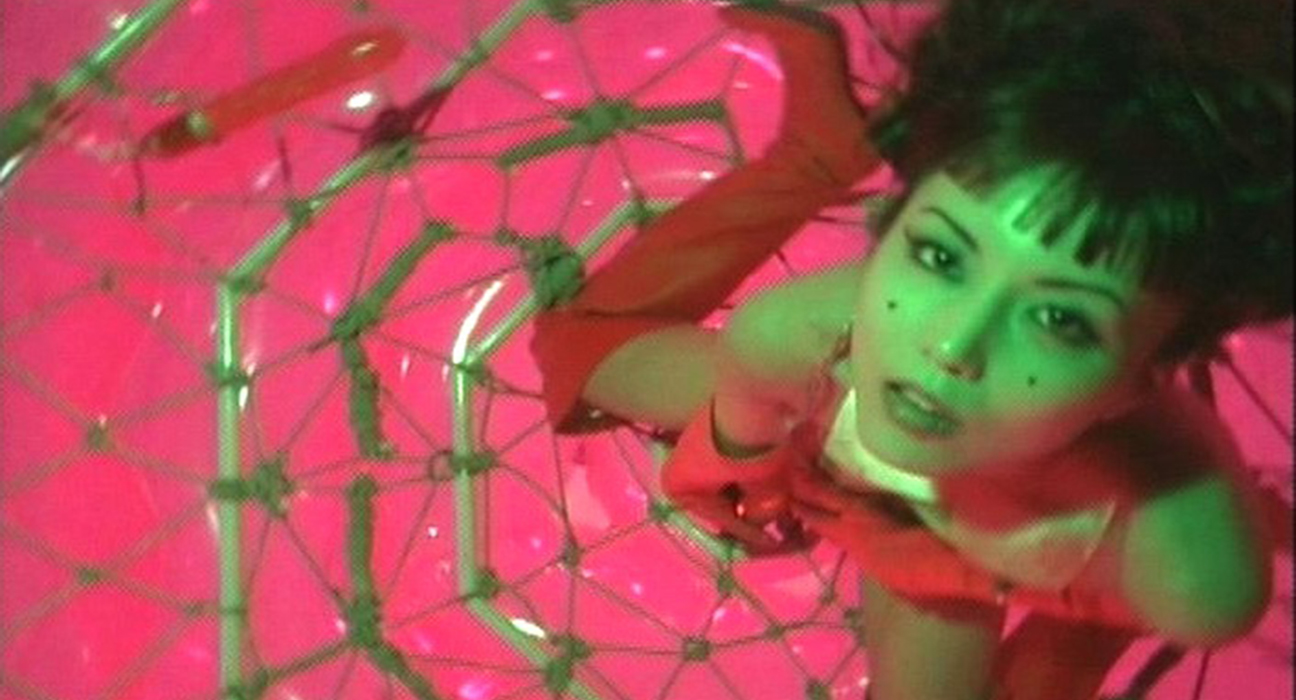
“For me, ultimately, I would hope that one day the term would just dissolve and become completely obsolete. That our need as a society to identify, and create these delineations and boundaries between race, classes, genders — and even between what’s human and what’s technology — I really feel like we’re moving in a transhumanism direction. It might not be within our lifetimes, but I feel like there’s such a blending between what’s happening in gender, and race…and maybe it will be 100 years from now, but we’ll be embedded with technology. So I really see it becoming an outdated term. Given the current political situation, and the present day misogyny, you can see that people are really clinging to their identities, and to these old tropes and narratives, because they fear that it is breaking down. Hopefully we become a more integrated society, and the cyberfeminist space can continue to be an experimental one, where people can think outside of these categories and identity markers — where we can be stewards for the environment and for each other.” — Prema Murthy
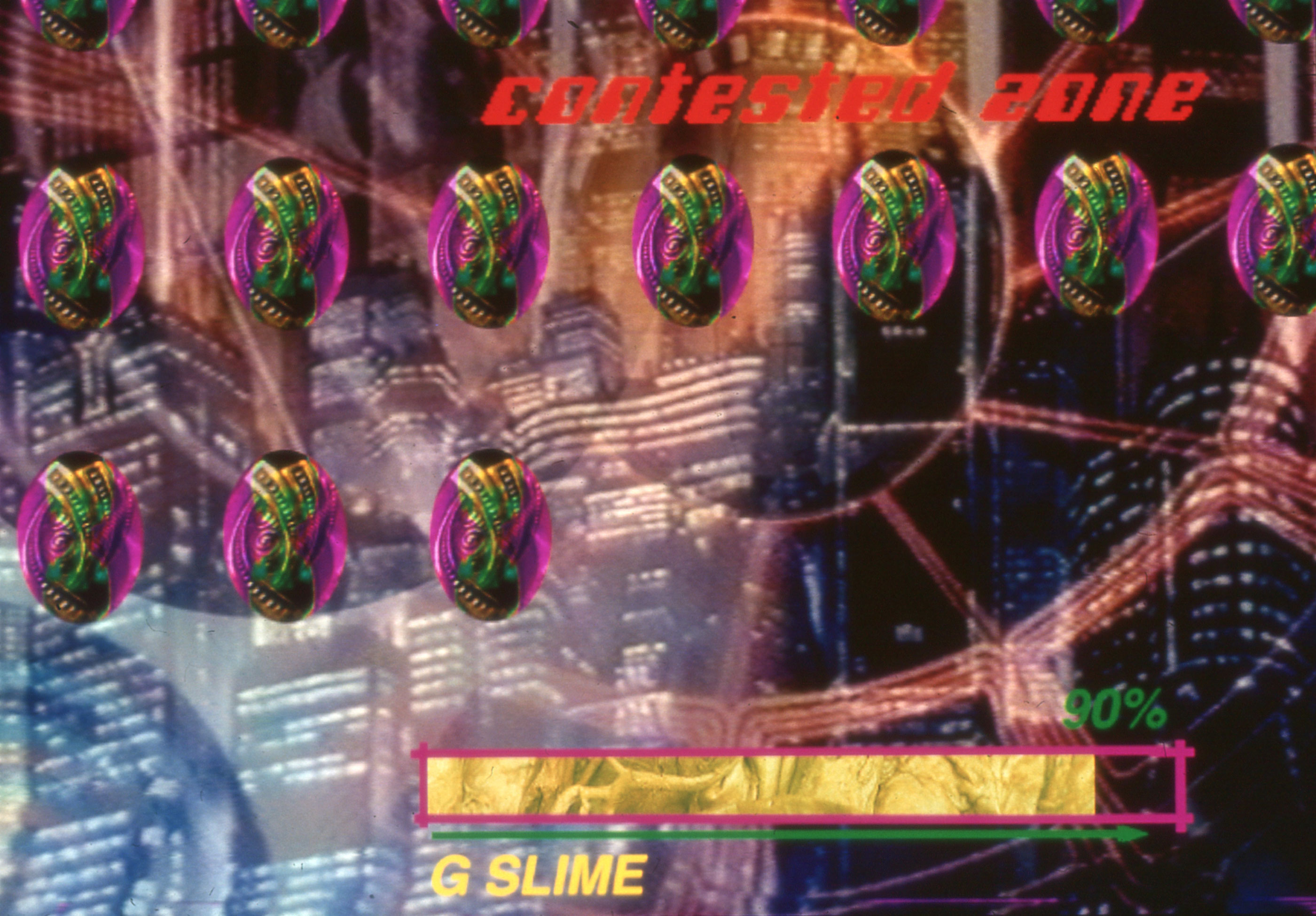
“The mutation is the most normal process in our proceedings; the way we perceive the world should always be in mutation. Maybe the next generation of cyber feminism doesn’t need to be named: neither cyber, neither feminism, but definitely mutating. When you talk about a mutating medium, do you still use the same name? Or do you call it C.F. Variant 10.0? There will be a new generation, at the moment I feel that cyberfeminism is being rediscovered and celebrated. If we think forward, we may see a variant that is in a totally different state.” — Shu Lea Cheang
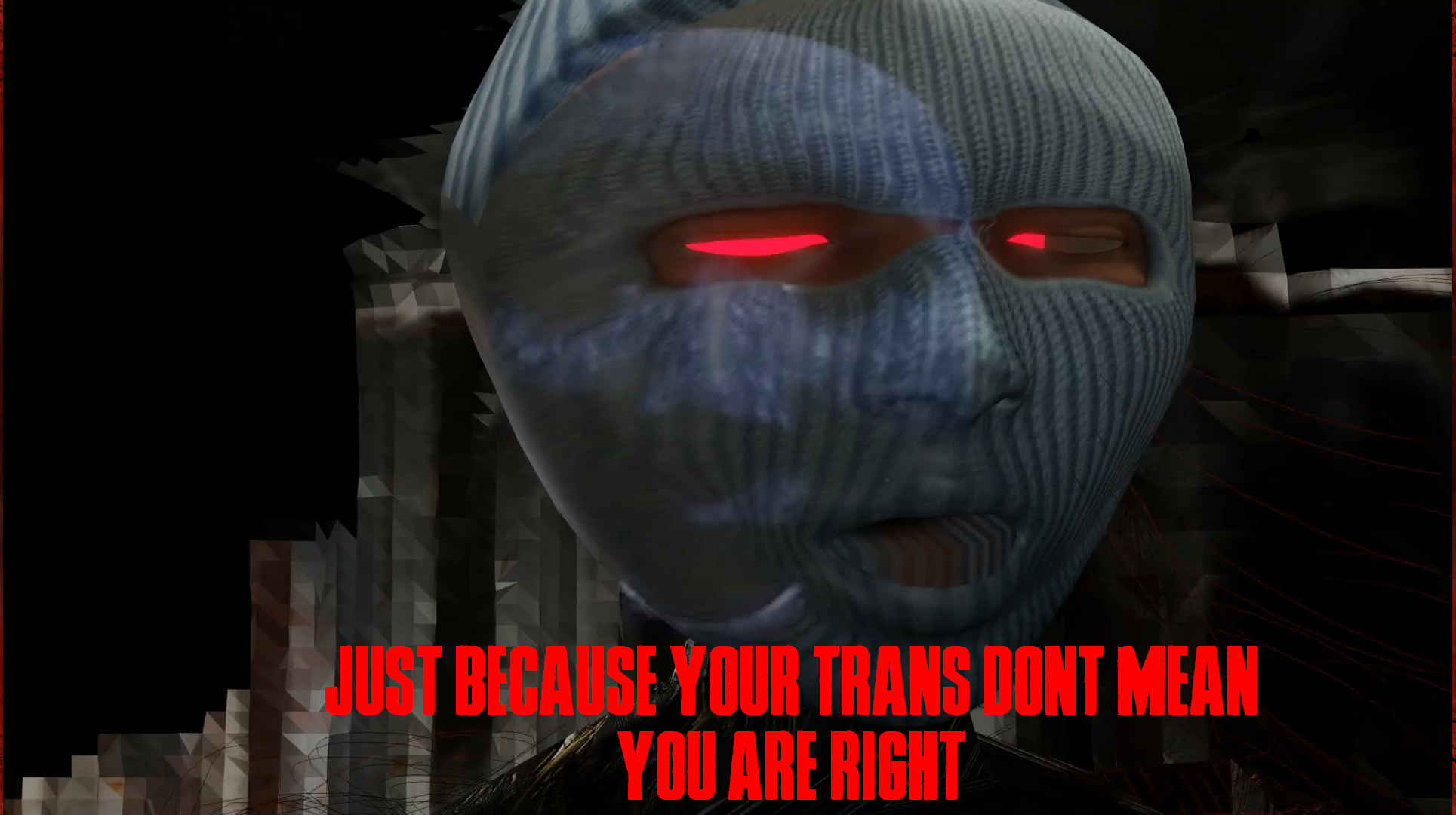
“I really agreed with the answer Prema shared, which is that in the far future, there will be a time that we don’t even need any of these terms, because there is enough justice and equality that we don’t need to define a space for this. That’s a far future way of thinking. In more near future terms, or what I think will change, or is already changing… is the very definition of womanhood, and also feminism. Historically, cyberfeminsm has been very binary in how it thinks of a female person, and its participants which are often from a western space — so a more near future change is that perhaps it can be more broadly inclusive.” — Morehshin Allahyari
“This is a really interesting question. I would open it up to ask: How would feminism mutate? There are so many different forms of feminism that have emerged, and the most recent form of feminism that I have been attached to is hydrofeminism. It thinks along watery forms, watery bodies, and solidarity across watery bodies. Something so simple as water can create a feminism. It’s so universal. I can see cyberfeminism mutating, it can emerge out of anything — look at xenofeminism coming out of alienation. There’s so much potential for it to mutate, and we have so many practitioners working and thinking through this on a collective level. I’m really excited for new forms of feminism to emerge.” — Mary Maggic
“I see us earning something I call internet real estate, which means the first Google search you have, the most common websites you use — for me optimistically, [one of] cyberfeminism’s manifestations in the future is that one of the five sites that you use all the time is made by feminists, coded by feminists, moderated by feminists — so that it’s not just the top, it’s the entire site, and that site can be selling shoes, it can be anything, I don’t care what it is — it just has to be a common site used by everyone. For instance, YouTube would be moderated by feminists and be pushing forward conversations like that. For me, that’s what the mutation looks like: using internet real estate to build real real estate and to occupy physical spaces that represent these digital ones so that we can sit together and figure out how to use the technology we have to enable more people to have a voice, and essentially to get the positions we got to — because we got here by hustling really hard, and someone else may not even have the resources we had.” — Danielle Brathwaite-Shirley
“Of course I hope patriarchy is smashed in the future, and therefore, we won’t need cyberfeminism. But realistically what I think is that cyberfeminism will try to include more and more people, because of course we all need to be feminists in order for this to work. Many feminists are mothers, myself included. When kids go out into the world, they are not listened to. They don’t have the same rights that adults do — and yet, they are participating, they spend a lot of time in cyberspace, they are born digital. So we do have to think about them.” — Skawennati
“Cyberfeminism had a moment of hype in the late ’90s and then it became very quiet. All of a sudden, like 10 years later, I was approached by people asking me to tell them about the early days. Young women were really excited about cyberfeminism and it made me really sit down and think, because a lot happened in this time. [There were] a lot of technological developments in that time. But because we had a lot of great ideas of utopias and projections about cyberspace that became kind of frustrated, they hadn’t come, or they’d developed in a completely different direction.
Twenty-five years after The Cyberfeminist Manifesto was ejected into the cyber universe — and the mercenaries of slime, you know, VNS Matrix, started their game [ALL NEW GEN] — it turns out that the phallic power of Big Daddy Mainframe not only rules supreme, but is ever expanding into an all embracing, corporate controlled society.
So I thought: let’s keep cyberfeminism, as it was related to these ideas and utopias of the ’90s. Which is why I decided to work with a different term: technofeminism. The suggestion that I make is that cyberfeminism is associated with specific things that were very strong, very extreme, and very anarchic. So we can’t pretend that we are in the same state we were in 20 years ago. I try to elaborate with technofeminism how…it has evolved. Back then, we reduced cyberfeminism to the technical infrastructure and how it relates to our heads. We have since learned so much more… and that we cannot distinguish technology from our environment, or from our bodies.” — Cornelia Sollfrank
“It’s fantastic that Cyberfeminism has mutated over the last 30 years, and anyone who takes on or carries the banner, or becomes a cyberfeminist mutates and transforms it.
Could cyberfeminism become a cryptocurrency? Or a platform, or a stream, or a broadcast? It’s still niche; it’s a really exciting niche that still ruptures the dominant discourse. How do we give cyberfeminism currency? Perhaps that is becoming related to crypto, but it’s still ultimately a platform for people to explore online identity, and gender identity. Can it have a presence that is disruptive to web3? How can we continue to infiltrate and disrupt the dominant discourse?
Cyberfeminism creates a vision for a future that is sustainable and equitable — that’s what we’re doing here, is envisioning a future.” — Julianne Pierce, VNS Matrix



